
Why I Do This Work
The short answer: I realized that everything I was learning about aging didn't matter if people did not know about it.
Who I Am
I'm a researcher. I spend a lot of time in labs, analyzing data, running clinical trials. I've been doing this for over 25 years.
But I'm also a son who watched my parents get older and saw how their choices affected their quality of life. I'm someone who made mistakes with my own health in my 30s. I'm a person who realized that the research I was publishing in top medical journals wasn't helping most people who actually needed it.
That's what changed everything for me.

The Turning Point
For years, I published my work in the New England Journal of Medicine, JAMA, and other top medical journals. The research was solid. It was making an impact in academic circles.
But then I realized something: Most people never read those journals. Most people don't know what’s in them because scientific writing can be hard to understand without a PhD. The important information about how to slow aging, optimize metabolism, and stay sharp as we age was not reaching the public, and was getting lost in academic language.
I got frustrated with that. I knew I had something valuable to share, but I wasn't sharing it in a way that actually reached people.
So I made a decision: I was going to translate what I know into simple, actionable strategies that real people could actually use.
That's what I'm doing now.
Popular Blogs
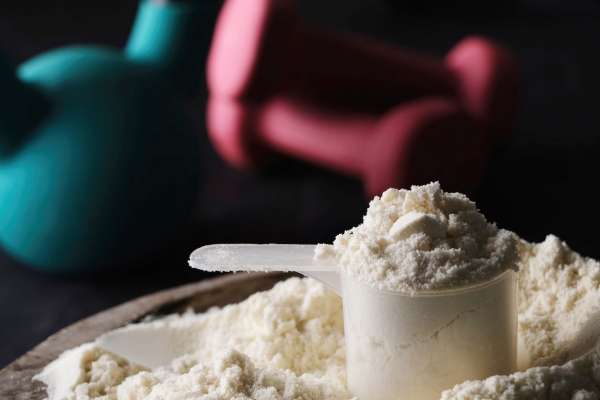
Understanding Creatine: What You Need to Know About Its Benefits, Safety, and Different Forms
Creatine is one of the most popular supplements in the fitness world, known for its ability to enhance athletic performance and muscle growth. A recent review article, “Bioavailability, Efficacy, Safety, and Regulatory Status of Creatine and Related Compounds,” provides an in-depth look at creatine and its various forms. Let’s break down the key points to help you understand why creatine is so widely used and trusted.
What is Creatine?
Creatine is a substance that occurs naturally in muscle cells. It helps produce energy during high-intensity exercise and heavy lifting. While our bodies produce some creatine, it can also be obtained from dietary sources like meat and fish or from supplements.
The Gold Standard: Creatine Monohydrate (CrM)
Why CrM is the Best: Creatine monohydrate (CrM) is the most researched and proven form of creatine. It’s almost 100% bioavailable, which means your body can absorb and use nearly all of it. Studies show that CrM can increase muscle creatine levels by 20-40%, which significantly boosts your performance in high-intensity workouts.
Benefits:
Improved Performance: CrM helps you perform better in short, intense bursts of activity, like sprinting or weightlifting.
Muscle Growth: It supports muscle growth by allowing you to train harder and recover faster.
Safety: CrM has been shown to be safe for long-term use without serious side effects.
Exploring New Forms of Creatine
While CrM remains the gold standard, various new forms of creatine have emerged, each claiming unique benefits. Here’s an overview of these new forms and what the research says about their efficacy and safety:
Creatine Ethyl Ester (CEE):
Claims: Enhanced absorption and effectiveness.
Reality: Studies indicate that CEE is less effective than CrM. Once ingested, CEE rapidly converts to creatinine, a waste product, which reduces its bioavailability and effectiveness.
Creatine Hydrochloride (Creatine HCl):
Claims: Better solubility and absorption.
Reality: Creatine HCl is more soluble in water, which may lead to better absorption. However, there is limited independent research to conclusively prove its superiority to CrM.
Creatine Nitrate:
Claims: Improved absorption and additional nitric oxide benefits.
Reality: Some studies suggest similar or slightly better bioavailability compared to CrM. There is some evidence of enhanced blood flow and endurance, but more research is needed.
Buffered Creatine (Kre-Alkalyn):
Claims: More stable and reduced conversion to creatinine.
Reality: Independent research shows that Kre-Alkalyn is no more effective than CrM in increasing muscle creatine levels or performance outcomes.
Creatine Magnesium Chelate:
Claims: Improved absorption and additional magnesium benefits.
Reality: Some studies suggest slightly better absorption than CrM, but these findings are inconsistent. Performance benefits are comparable to CrM, with no significant evidence suggesting superiority.
Safety First
One of the best things about CrM is its safety profile. Extensive research has shown that taking CrM does not harm your kidneys or cause dehydration, as some myths suggest. That said, it is important to drink plenty of water while taking this supplement for several reasons.
Hydration:
Creatine draws water into muscle cells to improve hydration and promote muscle growth. To avoid dehydration, you need to consume enough water to balance this effect, as creatine’s water-retaining properties can cause an increased need for fluids.
Muscle Performance:
Staying well-hydrated is crucial for optimal muscle performance. Dehydration can lead to muscle cramps, fatigue, and reduced strength, undermining creatine’s benefits.
Kidney Function:
Creatine is broken down into creatinine, which is filtered by the kidneys. Drinking enough water helps support kidney function and ensures that excess creatinine is flushed out properly, preventing potential strain on the kidneys.
Maximizing Effectiveness:
Adequate hydration allows creatine to be properly absorbed and utilized by the body. Without sufficient water, creatine’s performance-enhancing effects might not be fully realized.
What About Regulation?
CrM is widely recognized as safe by major health and regulatory bodies around the world. This means it’s been thoroughly tested and approved for use in dietary supplements. On the other hand, many newer forms of creatine haven’t undergone the same level of testing, so their safety and effectiveness aren’t as well established.
Key Takeaways for You
Stick with CrM: It’s the most effective, researched, and safe form of creatine.
Be Skeptical of New Forms: Newer types of creatine often don’t live up to their marketing claims and aren’t as well-studied.
Creatine is Safe: When used as directed, CrM doesn’t cause harmful side effects. But it is important to drink plenty of water when taking this supplement.
Regulatory Approval Matters: Choose creatine products that have been approved by health authorities.
Conclusion
Creatine monohydrate remains the best choice for anyone looking to boost their athletic performance and muscle growth safely. When taken in recommended doses, it’s safe for long-term use. While the market offers many alternatives, CrM’s extensive research backing makes it the gold standard. Always ensure that your supplement is from a reputable source and is recognized as safe by regulatory bodies.
By understanding the facts about creatine, you can make informed choices that benefit your health and fitness goals. For more detailed insights, refer to the full article published in Nutrients.

What I've Learned (The Research, Simplified)
For the past 25+ years, I've studied one main question: How can people actually age well?
This includes research on:
How metabolism changes with age and what you can do about it.
The role of intermittent fasting and eating patterns.
How cardiovascular health affects longevity.
What keeps your brain sharp and protects against cognitive decline.
How lifestyle choices impact obesity and metabolic disease.
The key finding: You have way more control over your aging than you think.
Most people believe that aging is just something that happens to you. Energy loss, weight gain, brain fog, losing strength—they think it's inevitable.
It's not.
The research shows that your daily choices - what, when, and how much you eat, how you move, how you sleep, and how you manage stress - all directly impact how you age. These choices can actually impact your rate of aging. Not someday. Now. And in ways you can feel and measure.
That's what the science says. And that's what I see in the people I work with.

How I Help You Age Better
I've organized everything I offer around five core areas. You probably need help in more than one of these areas - most people do. The good news is if you improve in one area, you are likely to see improvements in other areas.

More Energy & Better Metabolism
You want to wake up ready to go, not drag through the day. This is about optimizing how your body processes food and fuel. Better metabolism means better energy, easier weight control, and stronger physical performance.
Brain Health & Sharp Thinking
Protecting your brain and maintaining your mental clarity as you age isn't something that happens by accident. It requires specific nutrition, sleep habits, movement, and lifestyle strategies specific to brain health. I'll show you exactly what works.
Stay Strong & Move Without Pain
Maintaining muscle, balance, and mobility is what allows you to live a full life and stay independent as you age. Whether it’s hiking, skiing, playing with your kids (or grandkids) or just moving through your day without stiffness - this matters.
Recovery & Physical Resilience
Your body needs proper recovery to stay healthy. This includes good quality sleep, stress management, and movement strategies that help you bounce back faster.
Purpose & Peace of Mind
Physical health is part of the equation. So is feeling like you're in control of your future, living with purpose, and knowing you're doing the right things at the right times.
How I Help You Age Better
I've organized everything I offer around five core areas. You probably need help in more than one of these areas - most people do. The good news is if you improve in one area, you are likely to see improvements in other areas.
Alpha Max Test 3D
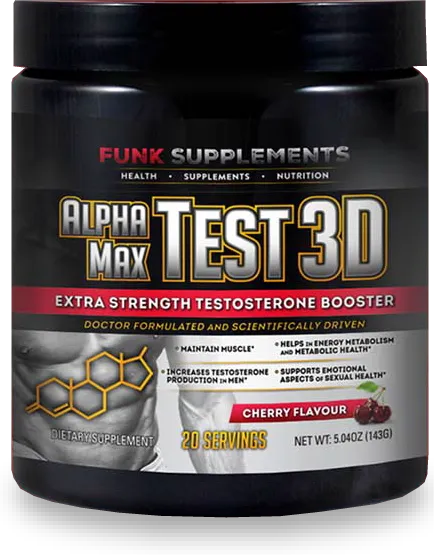
All-natural testosterone booster I formulated with the one and only Funk Roberts.
The Better Fit Mask
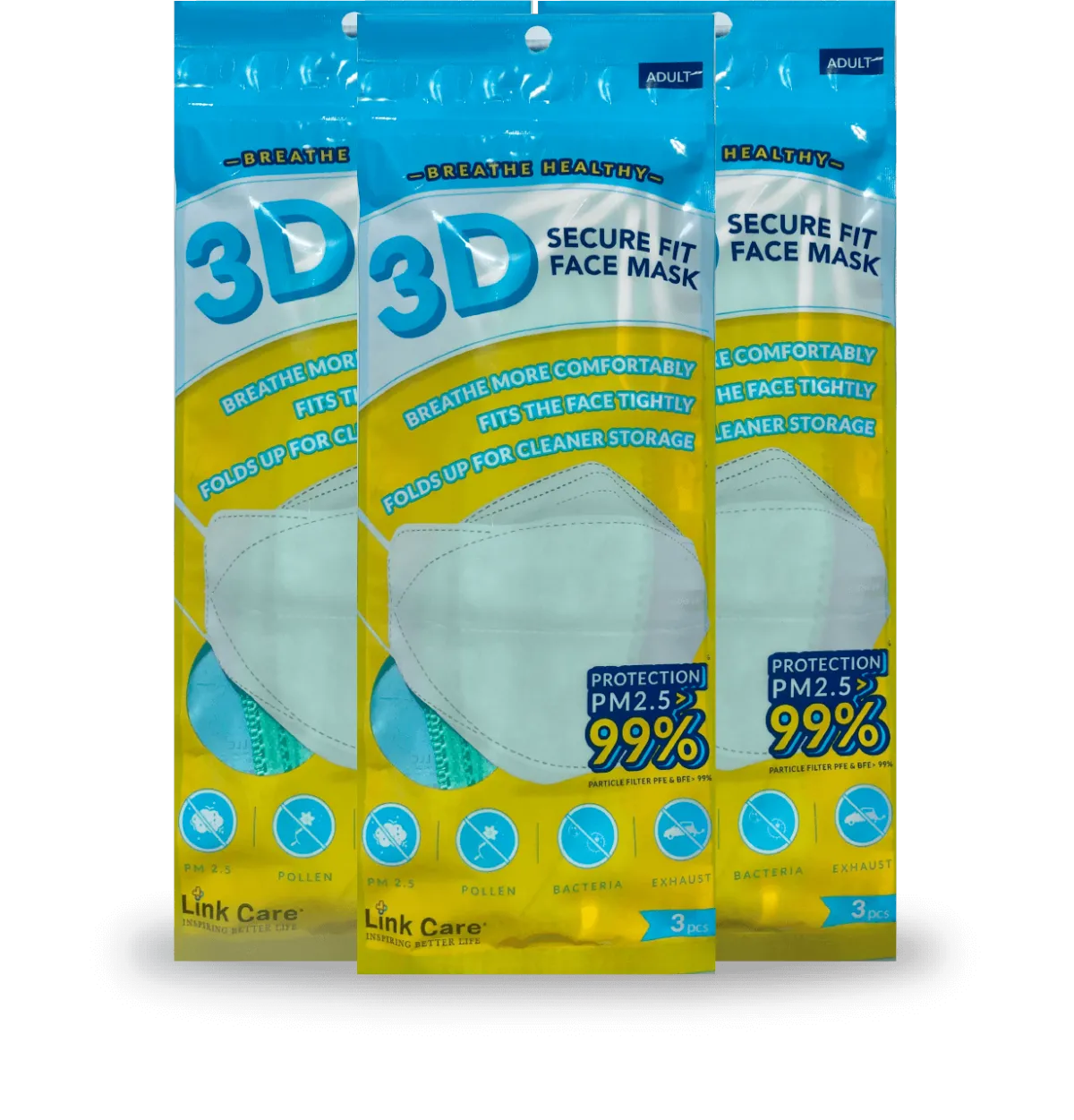
My preferred facemask for protection and comfort. Use code: DRANTON for 10% off.
My Background (What Makes Me Qualified)
Education:
BA in Psychology from Florida State University.
Master's degree in psychology from the University of Florida.
PhD in Clinical and Health Psychology from the University of Florida.
Post-doctoral fellowship at the Pennington Biomedical Research Center.
What This Means: I studied how people actually change their behavior. How to help them adopt healthier habits that stick. How to design interventions that work for real people in real life, not just in labs.
Research & Publications:
Over 200 peer-reviewed scientific articles.
Multiple published book chapters.
Research recognized nationally and internationally.
Cited thousands of times by other scientists.
Co-Author of The Man Diet.
What This Means: My work has been tested, reviewed by other experts, and built upon. It's not opinion. It's evidence.
Current Role:
Full Professor at the University of Florida.
Associate Director, University of Florida’s Institute on Aging.
What This Means: I'm still actively researching, training the next generation of researchers, and staying current with the latest science. I'm not just relying on old knowledge. I'm learning new things all the time.
But Here's What Really Matters
All of that research and all those credentials would mean nothing if I couldn't translate what I’ve learned over the years into something useful for you.
So I've spent the last several years focusing on this: How do I take 25+ years of research and turn it into simple, clear strategies that actually work for busy adults who want to feel better and age well?
That's the real goal. And that's what I bring to the people I work with.

My Philosophy About Aging
You're Not Broken
The goal isn't to "fix" you or make you into someone else. It's to help you feel like yourself again, with the energy and clarity you want.
Small Choices Add Up
You don't need to overhaul your entire life. Consistent, small changes in nutrition, movement, sleep, and stress management compound over time. That's how real change happens.
Understanding Matters More Than Willpower
If you understand why something works, you don't need to white-knuckle it. You just follow the program because it makes sense. That's why people stick with this approach long-term.
Evidence Beats Opinion
I'm not going to tell you to do something because I think it's trendy or because an influencer is promoting it. Everything I recommend is backed by research and real-world results.
You're the Expert on Your Own Life
I provide the knowledge and framework. You know your schedule, your preferences, your challenges, and your goals. The best approach is the one that fits your actual life—not someone else's.
What People Tell Me
Finally, someone who explains why instead of just giving me rules.
I thought this kind of change wasn't possible at my age.
The strategies are practical. I can actually do them.
I feel in control of my health for the first time.
These conversations remind me why I do this work. It's not about credentials or publications. It's about helping real people take back control of their aging.
What I'm Not
I'm not a cheerleader selling you hope and motivation. Motivation fades. What lasts is understanding and practical systems.
I'm not selling quick fixes or magic pills. There aren't any. What works is science-backed strategies applied consistently.
I'm not here to shame you or make you feel bad about past choices. You're here because you want change. That's what matters.
I'm not a one-size-fits-all coach. People are different. Your program should fit your life, your goals, and your preferences—not some generic template.
What I Am
I'm someone who's spent 25+ years studying how people age well and how to help them actually implement that knowledge.
I'm committed to explaining the science in plain language so you understand why something works.
I'm focused on creating practical systems that fit your real life.
I'm dedicated to helping you feel more energetic, stronger, sharper, and more confident in your future.
I believe you have more control over your rate of aging than you think, and I want to help you take it.
Let's Work Together
You're here because you're ready to do something different. You're tired of guessing about what works. You want clear, evidence-based guidance that actually results in change.
That's exactly what I provide.
Ready to Get Started?
Or if You Have Questions:
Recent Blogs
Understanding Creatine: What You Need to Know About Its Benefits, Safety, and Different Forms
Creatine is one of the most popular supplements in the fitness world, known for its ability to enhance athletic performance and muscle growth. A recent review article, “Bioavailability, Efficacy, Safety, and Regulatory Status of Creatine and Related Compounds,” provides an in-depth look at creatine and its various forms. Let’s break down the key points to help you understand why creatine is so widely used and trusted.
What is Creatine?
Creatine is a substance that occurs naturally in muscle cells. It helps produce energy during high-intensity exercise and heavy lifting. While our bodies produce some creatine, it can also be obtained from dietary sources like meat and fish or from supplements.
The Gold Standard: Creatine Monohydrate (CrM)
Why CrM is the Best: Creatine monohydrate (CrM) is the most researched and proven form of creatine. It’s almost 100% bioavailable, which means your body can absorb and use nearly all of it. Studies show that CrM can increase muscle creatine levels by 20-40%, which significantly boosts your performance in high-intensity workouts.
Benefits:
Improved Performance: CrM helps you perform better in short, intense bursts of activity, like sprinting or weightlifting.
Muscle Growth: It supports muscle growth by allowing you to train harder and recover faster.
Safety: CrM has been shown to be safe for long-term use without serious side effects.
Exploring New Forms of Creatine
While CrM remains the gold standard, various new forms of creatine have emerged, each claiming unique benefits. Here’s an overview of these new forms and what the research says about their efficacy and safety:
Creatine Ethyl Ester (CEE):
Claims: Enhanced absorption and effectiveness.
Reality: Studies indicate that CEE is less effective than CrM. Once ingested, CEE rapidly converts to creatinine, a waste product, which reduces its bioavailability and effectiveness.
Creatine Hydrochloride (Creatine HCl):
Claims: Better solubility and absorption.
Reality: Creatine HCl is more soluble in water, which may lead to better absorption. However, there is limited independent research to conclusively prove its superiority to CrM.
Creatine Nitrate:
Claims: Improved absorption and additional nitric oxide benefits.
Reality: Some studies suggest similar or slightly better bioavailability compared to CrM. There is some evidence of enhanced blood flow and endurance, but more research is needed.
Buffered Creatine (Kre-Alkalyn):
Claims: More stable and reduced conversion to creatinine.
Reality: Independent research shows that Kre-Alkalyn is no more effective than CrM in increasing muscle creatine levels or performance outcomes.
Creatine Magnesium Chelate:
Claims: Improved absorption and additional magnesium benefits.
Reality: Some studies suggest slightly better absorption than CrM, but these findings are inconsistent. Performance benefits are comparable to CrM, with no significant evidence suggesting superiority.
Safety First
One of the best things about CrM is its safety profile. Extensive research has shown that taking CrM does not harm your kidneys or cause dehydration, as some myths suggest. That said, it is important to drink plenty of water while taking this supplement for several reasons.
Hydration:
Creatine draws water into muscle cells to improve hydration and promote muscle growth. To avoid dehydration, you need to consume enough water to balance this effect, as creatine’s water-retaining properties can cause an increased need for fluids.
Muscle Performance:
Staying well-hydrated is crucial for optimal muscle performance. Dehydration can lead to muscle cramps, fatigue, and reduced strength, undermining creatine’s benefits.
Kidney Function:
Creatine is broken down into creatinine, which is filtered by the kidneys. Drinking enough water helps support kidney function and ensures that excess creatinine is flushed out properly, preventing potential strain on the kidneys.
Maximizing Effectiveness:
Adequate hydration allows creatine to be properly absorbed and utilized by the body. Without sufficient water, creatine’s performance-enhancing effects might not be fully realized.
What About Regulation?
CrM is widely recognized as safe by major health and regulatory bodies around the world. This means it’s been thoroughly tested and approved for use in dietary supplements. On the other hand, many newer forms of creatine haven’t undergone the same level of testing, so their safety and effectiveness aren’t as well established.
Key Takeaways for You
Stick with CrM: It’s the most effective, researched, and safe form of creatine.
Be Skeptical of New Forms: Newer types of creatine often don’t live up to their marketing claims and aren’t as well-studied.
Creatine is Safe: When used as directed, CrM doesn’t cause harmful side effects. But it is important to drink plenty of water when taking this supplement.
Regulatory Approval Matters: Choose creatine products that have been approved by health authorities.
Conclusion
Creatine monohydrate remains the best choice for anyone looking to boost their athletic performance and muscle growth safely. When taken in recommended doses, it’s safe for long-term use. While the market offers many alternatives, CrM’s extensive research backing makes it the gold standard. Always ensure that your supplement is from a reputable source and is recognized as safe by regulatory bodies.
By understanding the facts about creatine, you can make informed choices that benefit your health and fitness goals. For more detailed insights, refer to the full article published in Nutrients.
Stay Connected
Want weekly insights about aging well, metabolism, brain health, and staying strong?
Subscribe to the Newsletter and Get The Optimal Wellness Book Free
About
Stephen Anton PhD in Clinical and Health Psychology, University of Florida 25+ years researching longevity and healthy aging. Published in NEJM, JAMA, American Journal of Clinical Nutrition, and more. Recognized expert in intermittent fasting, metabolism, and cardiovascular health
© Copyright 2026 | All Rights Reserved Dr. Stephen Anton | Terms & Conditions
This information is for educational purposes only and is not a substitute for personalized medical advice. Please consult your physician before making changes to your health routine.