
Why I Do This Work
The short answer: I realized that everything I was learning about aging didn't matter if people did not know about it.
Who I Am
I'm a researcher. I spend a lot of time in labs, analyzing data, running clinical trials. I've been doing this for over 25 years.
But I'm also a son who watched my parents get older and saw how their choices affected their quality of life. I'm someone who made mistakes with my own health in my 30s. I'm a person who realized that the research I was publishing in top medical journals wasn't helping most people who actually needed it.
That's what changed everything for me.
The Turning Point
For years, I published my work in the New England Journal of Medicine, JAMA, and other top medical journals. The research was solid. It was making an impact in academic circles.
But then I realized something: Most people never read those journals. Most people don't know what’s in them because scientific writing can be hard to understand without a PhD. The important information about how to slow aging, optimize metabolism, and stay sharp as we age was not reaching the public, and was getting lost in academic language.
I got frustrated with that. I knew I had something valuable to share, but I wasn't sharing it in a way that actually reached people.
So I made a decision: I was going to translate what I know into simple, actionable strategies that real people could actually use.
That's what I'm doing now.
Popular Blogs

6 Ways to Combat Low-Grade Inflammation and Reduce Aging
New research shows evidence that low-grade inflammation is causing an increase in morbidity, mortality, and the aging process.
Luckily, there have been several studies that showcase how different treatments can help with this chronic condition.
Table of Contents
What is Inflammation & What Does it Do?
The Two Different Types of Inflammation
Six Different Way’s to Combat Chronic Inflammation
1) Angiotensin II Receptor Blockers (ARBs)
2) Metformin
3) Omega 3s
4) Probiotic
5) Resveratrol
6) Vitamin D
Low-Grade Inflammation Conclusion
What is Inflammation & What Does it Do?
Let’s start by mentioning that inflammation is a vital part of your body’s immune response.
Without inflammation, your body would not be able to heal itself after injury, repair damaged tissue, or defend itself against foreign invaders (such as viruses and bacteria). Without inflammation, wounds would fester, and infections could become deadly.
Inflammation can also be problematic, though, and it plays a role in some chronic decisions.
The Two Different Types of Inflammation
Acute Inflammation
Often seen as the “good type of inflammation” since it is the body’s attempt to heal itself after an injury
Chronic Inflammation
Otherwise known as the “bad type of inflammation” since it has long-term effects
Whether acute or chronic, inflammation is the body’s natural response to a problem. It makes us aware of issues that we might not otherwise acknowledge without inflammation as a warning sign.
Six Different Way’s to Combat Chronic Inflammation
The latest research shows several ways to address chronic inflammation. Below are the prescription drugs or supplements that may have a positive effect on low-grade inflammation.
1) Angiotensin II Receptor Blockers (ARBs)
Angiotensin II is a very potent chemical formed in the blood that causes muscles surrounding blood vessels to contract, thereby narrowing the vessels. This narrowing increases the pressure within the vessels and can cause high blood pressure (hypertension).
How do Angiotensin II Receptor Blockers Work?
ARBs are medications that prevent angiotensin II from binding to muscles surrounding blood vessels. As a result, blood vessels enlarge (dilate), and blood pressure drops.
Reduced blood pressure makes it easier for the heart to pump blood, can improve heart failure, and slows the progression of kidney disease.
2) Metformin
Metformin is a type of medicine used to treat high blood sugar levels that are caused by a type of diabetes mellitus or sugar diabetes called type 2 diabetes. With this type of diabetes, insulin produced by the pancreas is not able to get sugar into the cells of the body where it can work properly.
Using metformin alone, with a type of oral antidiabetic medicine called a sulfonylurea, or with insulin, will help lower blood sugar when it is too high and help restore the way you use food to make energy.
Many people combine metformin with exercise and diet. Following a custom diet and exercise plan will always be important when you have diabetes, even when you are taking medicines.
To work well, you must balance the amount of metformin you take against the amount of food you eat, the type of food you eat, and the amount of exercise you do.
If you change your diet or exercise, you should test your blood sugar to find out if it drops to unsafe levels. Your doctor will teach you what to do if this happens.
3) Omega 3s
Omega-3 fatty acids, which we primarily get through eating fatty fish, have long been thought to be good for our health.
Many dietary studies have suggested that a high intake of Omega-3s is associated with a reduced risk of various disorders. Clinical trials have also shown beneficial anti-inflammatory effects in patients taking omega-3 supplements.
Recent research from NTNU supports previous discoveries and has also found new, useful effects of omega-3 supplements and how these lipids dampen harmful inflammatory reactions in the body.
4) Probiotic
In several studies, probiotics appear to lessen chronic low-grade inflammation, specifically this inflammatory marker C-reactive protein.
Now, what is very interesting is that it was not necessarily one probiotic. The probiotic used in each study was not the same. So, it seems that as a general class, probiotics tend to have the ability to reduce inflammation.
This is an important and encouraging finding. And I’ll quote the conclusion from the researches involved in this study:
“This meta-analysis suggests that probiotic administration may significantly reduce serum C-reactive protein.”
Again, C-reactive protein being a marker of inflammation that your doctor can easily run as a blood test.
5) Resveratrol
According to a new study, the plant extract resveratrol appears to suppress inflammation and fight aging in humans.
The most common food sources of resveratrol include the skin of red grapes, wine, peanuts, blueberries, and cranberries.
6) Vitamin D
Vitamin D is known to contribute to bone health by promoting the absorption of calcium.
In recent years, there’s been much attention placed on its possible immune and inflammatory benefits.
Low vitamin D levels have been associated with several diseases like asthma, cancer, diabetes, and arthritis.
Low-Grade Inflammation Conclusion
Our findings show that there is potential to significantly reduce inflammation in middle-aged and older adults by using ARBs, metformin, omega 3s, probiotics, resveratrol, and vitamin D.
Resveratrol and vitamin D, however, were not found to be effective in reducing markers of systemic inflammation in clinical trials conducted to date.
Ultimately, practical nutritional and pharmacological interventions targeting inflammation that are safe, affordable, and acceptable could represent new therapeutic opportunities toward the promotion of successful aging soon.
In specific, future studies should test if compounds that reduce systemic inflammation can avert the decline in mobility and physical function that typically occurs among older adults.
What I've Learned (The Research, Simplified)
For the past 25+ years, I've studied one main question: How can people actually age well?
This includes research on:
How metabolism changes with age and what you can do about it.
The role of intermittent fasting and eating patterns.
How cardiovascular health affects longevity.
What keeps your brain sharp and protects against cognitive decline.
How lifestyle choices impact obesity and metabolic disease.
The key finding: You have way more control over your aging than you think.
Most people believe that aging is just something that happens to you. Energy loss, weight gain, brain fog, losing strength—they think it's inevitable.
It's not.
The research shows that your daily choices - what, when, and how much you eat, how you move, how you sleep, and how you manage stress - all directly impact how you age. These choices can actually impact your rate of aging. Not someday. Now. And in ways you can feel and measure.
That's what the science says. And that's what I see in the people I work with.

How I Help You Age Better
I've organized everything I offer around five core areas. You probably need help in more than one of these areas - most people do. The good news is if you improve in one area, you are likely to see improvements in other areas.

More Energy & Better Metabolism
You want to wake up ready to go, not drag through the day. This is about optimizing how your body processes food and fuel. Better metabolism means better energy, easier weight control, and stronger physical performance.
Brain Health & Sharp Thinking
Protecting your brain and maintaining your mental clarity as you age isn't something that happens by accident. It requires specific nutrition, sleep habits, movement, and lifestyle strategies specific to brain health. I'll show you exactly what works.
Stay Strong & Move Without Pain
Maintaining muscle, balance, and mobility is what allows you to live a full life and stay independent as you age. Whether it’s hiking, skiing, playing with your kids (or grandkids) or just moving through your day without stiffness - this matters.
Recovery & Physical Resilience
Your body needs proper recovery to stay healthy. This includes good quality sleep, stress management, and movement strategies that help you bounce back faster.
Purpose & Peace of Mind
Physical health is part of the equation. So is feeling like you're in control of your future, living with purpose, and knowing you're doing the right things at the right times.
How I Help You Age Better
I've organized everything I offer around five core areas. You probably need help in more than one of these areas - most people do. The good news is if you improve in one area, you are likely to see improvements in other areas.
Alpha Max Test 3D
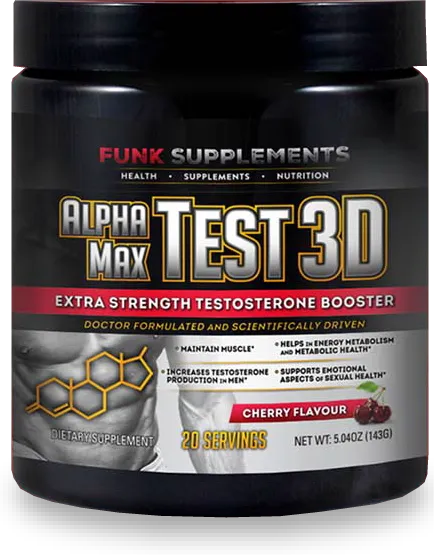
All-natural testosterone booster I formulated with the one and only Funk Roberts.
The Better Fit Mask
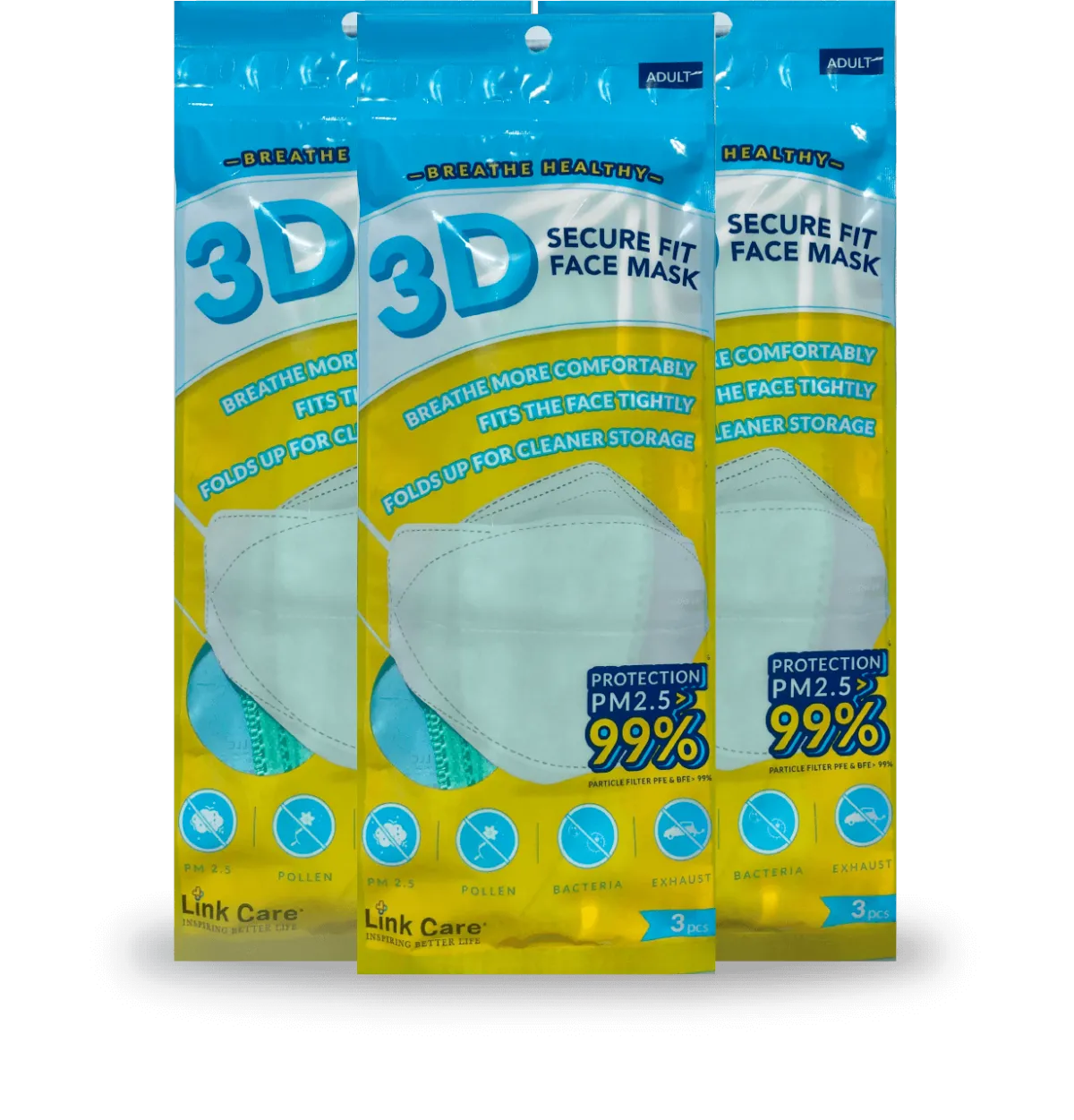
My preferred facemask for protection and comfort. Use code: DRANTON for 10% off.
My Background (What Makes Me Qualified)
Education:
BA in Psychology from Florida State University.
Master's degree in psychology from the University of Florida.
PhD in Clinical and Health Psychology from the University of Florida.
Post-doctoral fellowship at the Pennington Biomedical Research Center.
What This Means: I studied how people actually change their behavior. How to help them adopt healthier habits that stick. How to design interventions that work for real people in real life, not just in labs.
Research & Publications:
Over 200 peer-reviewed scientific articles.
Multiple published book chapters.
Research recognized nationally and internationally.
Cited thousands of times by other scientists.
Co-Author of The Man Diet.
What This Means: My work has been tested, reviewed by other experts, and built upon. It's not opinion. It's evidence.
Current Role:
Full Professor at the University of Florida.
Associate Director, University of Florida’s Institute on Aging.
What This Means: I'm still actively researching, training the next generation of researchers, and staying current with the latest science. I'm not just relying on old knowledge. I'm learning new things all the time.
But Here's What Really Matters
All of that research and all those credentials would mean nothing if I couldn't translate what I’ve learned over the years into something useful for you.
So I've spent the last several years focusing on this: How do I take 25+ years of research and turn it into simple, clear strategies that actually work for busy adults who want to feel better and age well?
That's the real goal. And that's what I bring to the people I work with.

My Philosophy About Aging
You're Not Broken
The goal isn't to "fix" you or make you into someone else. It's to help you feel like yourself again, with the energy and clarity you want.
Small Choices Add Up
You don't need to overhaul your entire life. Consistent, small changes in nutrition, movement, sleep, and stress management compound over time. That's how real change happens.
Understanding Matters More Than Willpower
If you understand why something works, you don't need to white-knuckle it. You just follow the program because it makes sense. That's why people stick with this approach long-term.
Evidence Beats Opinion
I'm not going to tell you to do something because I think it's trendy or because an influencer is promoting it. Everything I recommend is backed by research and real-world results.
You're the Expert on Your Own Life
I provide the knowledge and framework. You know your schedule, your preferences, your challenges, and your goals. The best approach is the one that fits your actual life—not someone else's.
What People Tell Me
Finally, someone who explains why instead of just giving me rules.
I thought this kind of change wasn't possible at my age.
The strategies are practical. I can actually do them.
I feel in control of my health for the first time.
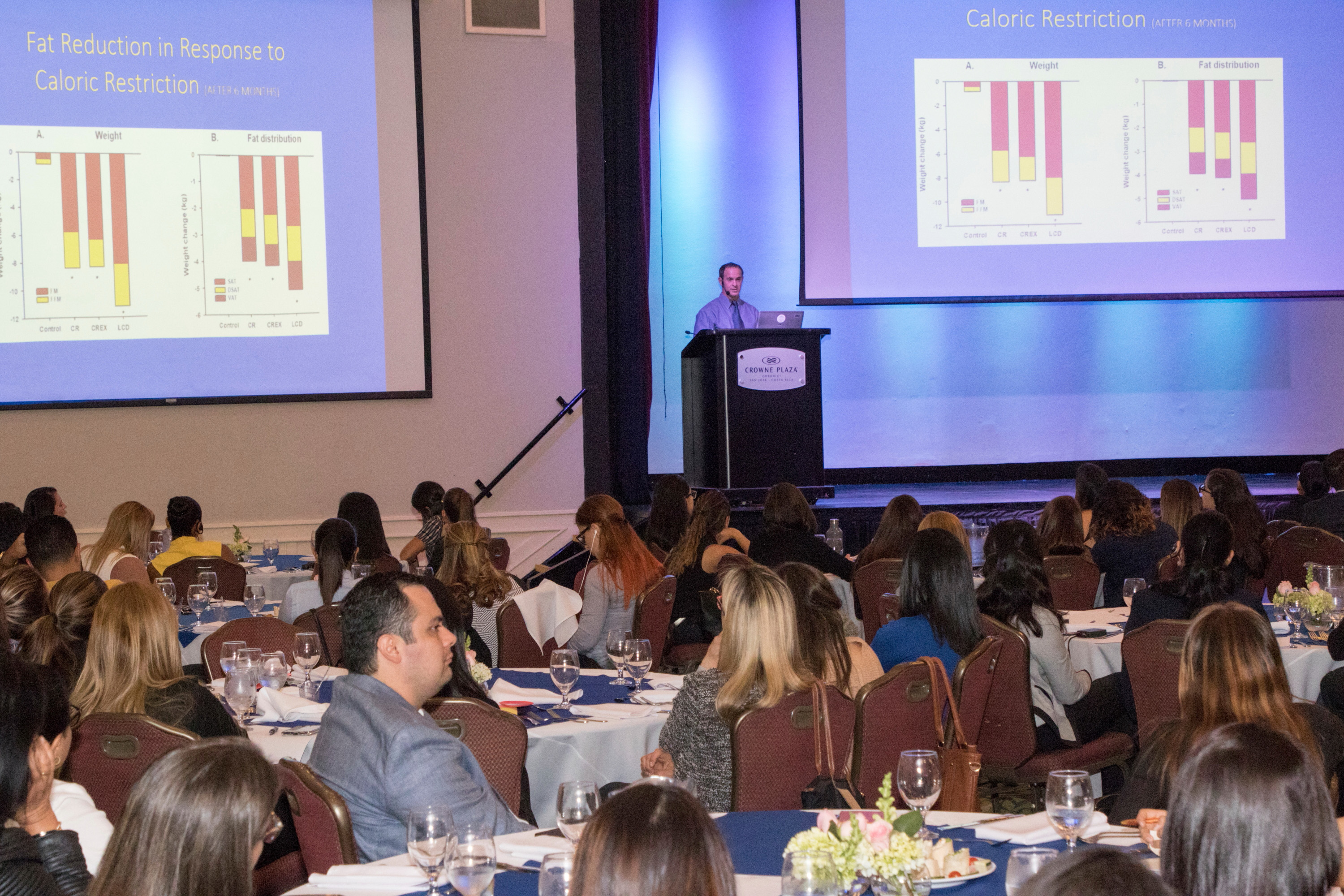
These conversations remind me why I do this work. It's not about credentials or publications. It's about helping real people take back control of their aging.
What I'm Not
I'm not a cheerleader selling you hope and motivation. Motivation fades. What lasts is understanding and practical systems.
I'm not selling quick fixes or magic pills. There aren't any. What works is science-backed strategies applied consistently.
I'm not here to shame you or make you feel bad about past choices. You're here because you want change. That's what matters.
I'm not a one-size-fits-all coach. People are different. Your program should fit your life, your goals, and your preferences—not some generic template.
What I Am
I'm someone who's spent 25+ years studying how people age well and how to help them actually implement that knowledge.
I'm committed to explaining the science in plain language so you understand why something works.
I'm focused on creating practical systems that fit your real life.
I'm dedicated to helping you feel more energetic, stronger, sharper, and more confident in your future.
I believe you have more control over your rate of aging than you think, and I want to help you take it.
Let's Work Together
You're here because you're ready to do something different. You're tired of guessing about what works. You want clear, evidence-based guidance that actually results in change.
That's exactly what I provide.
Ready to Get Started?
Or if You Have Questions:
Recent Blogs
6 Ways to Combat Low-Grade Inflammation and Reduce Aging
New research shows evidence that low-grade inflammation is causing an increase in morbidity, mortality, and the aging process.
Luckily, there have been several studies that showcase how different treatments can help with this chronic condition.
Table of Contents
What is Inflammation & What Does it Do?
The Two Different Types of Inflammation
Six Different Way’s to Combat Chronic Inflammation
1) Angiotensin II Receptor Blockers (ARBs)
2) Metformin
3) Omega 3s
4) Probiotic
5) Resveratrol
6) Vitamin D
Low-Grade Inflammation Conclusion
What is Inflammation & What Does it Do?
Let’s start by mentioning that inflammation is a vital part of your body’s immune response.
Without inflammation, your body would not be able to heal itself after injury, repair damaged tissue, or defend itself against foreign invaders (such as viruses and bacteria). Without inflammation, wounds would fester, and infections could become deadly.
Inflammation can also be problematic, though, and it plays a role in some chronic decisions.
The Two Different Types of Inflammation
Acute Inflammation
Often seen as the “good type of inflammation” since it is the body’s attempt to heal itself after an injury
Chronic Inflammation
Otherwise known as the “bad type of inflammation” since it has long-term effects
Whether acute or chronic, inflammation is the body’s natural response to a problem. It makes us aware of issues that we might not otherwise acknowledge without inflammation as a warning sign.
Six Different Way’s to Combat Chronic Inflammation
The latest research shows several ways to address chronic inflammation. Below are the prescription drugs or supplements that may have a positive effect on low-grade inflammation.
1) Angiotensin II Receptor Blockers (ARBs)
Angiotensin II is a very potent chemical formed in the blood that causes muscles surrounding blood vessels to contract, thereby narrowing the vessels. This narrowing increases the pressure within the vessels and can cause high blood pressure (hypertension).
How do Angiotensin II Receptor Blockers Work?
ARBs are medications that prevent angiotensin II from binding to muscles surrounding blood vessels. As a result, blood vessels enlarge (dilate), and blood pressure drops.
Reduced blood pressure makes it easier for the heart to pump blood, can improve heart failure, and slows the progression of kidney disease.
2) Metformin
Metformin is a type of medicine used to treat high blood sugar levels that are caused by a type of diabetes mellitus or sugar diabetes called type 2 diabetes. With this type of diabetes, insulin produced by the pancreas is not able to get sugar into the cells of the body where it can work properly.
Using metformin alone, with a type of oral antidiabetic medicine called a sulfonylurea, or with insulin, will help lower blood sugar when it is too high and help restore the way you use food to make energy.
Many people combine metformin with exercise and diet. Following a custom diet and exercise plan will always be important when you have diabetes, even when you are taking medicines.
To work well, you must balance the amount of metformin you take against the amount of food you eat, the type of food you eat, and the amount of exercise you do.
If you change your diet or exercise, you should test your blood sugar to find out if it drops to unsafe levels. Your doctor will teach you what to do if this happens.
3) Omega 3s
Omega-3 fatty acids, which we primarily get through eating fatty fish, have long been thought to be good for our health.
Many dietary studies have suggested that a high intake of Omega-3s is associated with a reduced risk of various disorders. Clinical trials have also shown beneficial anti-inflammatory effects in patients taking omega-3 supplements.
Recent research from NTNU supports previous discoveries and has also found new, useful effects of omega-3 supplements and how these lipids dampen harmful inflammatory reactions in the body.
4) Probiotic
In several studies, probiotics appear to lessen chronic low-grade inflammation, specifically this inflammatory marker C-reactive protein.
Now, what is very interesting is that it was not necessarily one probiotic. The probiotic used in each study was not the same. So, it seems that as a general class, probiotics tend to have the ability to reduce inflammation.
This is an important and encouraging finding. And I’ll quote the conclusion from the researches involved in this study:
“This meta-analysis suggests that probiotic administration may significantly reduce serum C-reactive protein.”
Again, C-reactive protein being a marker of inflammation that your doctor can easily run as a blood test.
5) Resveratrol
According to a new study, the plant extract resveratrol appears to suppress inflammation and fight aging in humans.
The most common food sources of resveratrol include the skin of red grapes, wine, peanuts, blueberries, and cranberries.
6) Vitamin D
Vitamin D is known to contribute to bone health by promoting the absorption of calcium.
In recent years, there’s been much attention placed on its possible immune and inflammatory benefits.
Low vitamin D levels have been associated with several diseases like asthma, cancer, diabetes, and arthritis.
Low-Grade Inflammation Conclusion
Our findings show that there is potential to significantly reduce inflammation in middle-aged and older adults by using ARBs, metformin, omega 3s, probiotics, resveratrol, and vitamin D.
Resveratrol and vitamin D, however, were not found to be effective in reducing markers of systemic inflammation in clinical trials conducted to date.
Ultimately, practical nutritional and pharmacological interventions targeting inflammation that are safe, affordable, and acceptable could represent new therapeutic opportunities toward the promotion of successful aging soon.
In specific, future studies should test if compounds that reduce systemic inflammation can avert the decline in mobility and physical function that typically occurs among older adults.
Stay Connected
Want weekly insights about aging well, metabolism, brain health, and staying strong?
Subscribe to the Newsletter and Get The Optimal Wellness Book Free
About
Stephen Anton PhD in Clinical and Health Psychology, University of Florida 25+ years researching longevity and healthy aging. Published in NEJM, JAMA, American Journal of Clinical Nutrition, and more. Recognized expert in intermittent fasting, metabolism, and cardiovascular health
© Copyright 2026 | All Rights Reserved Dr. Stephen Anton | Terms & Conditions
This information is for educational purposes only and is not a substitute for personalized medical advice. Please consult your physician before making changes to your health routine.