




Choose the Right Path for Your Goals
Whether you want daily accountability, a comprehensive program, one-on-one coaching, or need expert guidance for your organization, I have options that fit where you are right now.
Start Free: The Optimal Wellness Plan
Not sure which service is right for you? Start here.
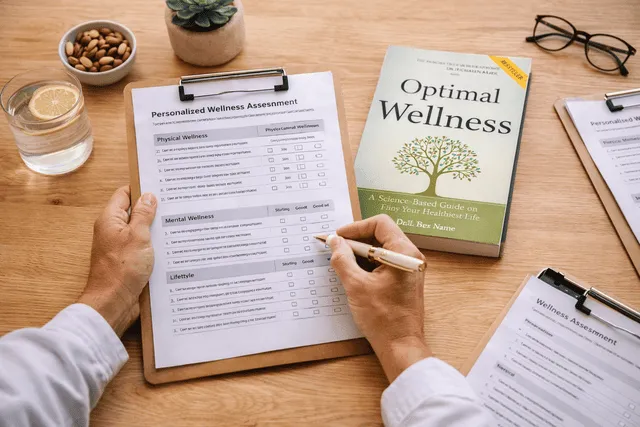
Get a free personalized wellness assessment that shows you exactly where you stand and what to focus on first. Includes my bestselling Optimal Wellness Book with simple, science-backed strategies you can start using today.
Best for: Everyone. This is the perfect starting point.
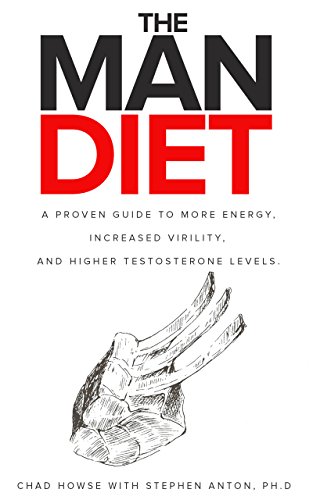
The Man Diet
By Chad Howse and Dr. Stephen Anton
In a frightening discovery, researchers from Massachusetts found a steady decline in male testosterone levels at a rate of about 1.2% each year, independent of age.
Odds are that your testosterone levels are far lower than your father’s were at your age, and lower still than your grandfather’s.
Lower testosterone levels:
Increase your likelihood for experiencing low energy and depression.
Your risk of heart disease and certain cancers.
Your likelihood of being overweight and obese.
While making it more likely that you experience impotence.
This decline in manhood, however, does not have to be a part of your story.
Popular Blogs

Coffee Before a Workout: Helpful or Harmful?
Should you drink coffee before a workout? The answer is “it depends” but for most people coffee will enhance drive and performance during the workout.
This does not necessarily mean you should drink it, however. One key factor in this decision is the time of day you train.
If you like to workout earlier in the day, there is little risk that coffee will affect your sleep that evening. This is because the half-life of coffee is approximately six hours, which means half of it is gone every six hours. So by the time you fall asleep, the majority of the caffeine in the coffee has left your system.
If your workout is typically later in the day, then the decision of whether or not to have a cup of coffee before the workout depends on a few factors, including: 1) your baseline level of arousal/ energy levels 2) how sensitive your body is to coffee, and 3) how coffee affects your sleep.
Why Does Coffee Enhance a Workout?
There are multiple ways in which coffee can enhance a workout. First, it stimulates many neuro-hormonal pathways, which and lead to increased blood flow to the heart, brain, and skeletal muscles. This results in a heightened state of mind-body arousal, which many of us have come to rely on before starting the day.
If you like to train in the morning, the coffee can help the body shift from using glucose to using fat as a source of energy. This can obviously influence the amount of fat burned during the workout, while the stimulation of neurotransmitters in the brain can also heighten drive and intensity of workouts. With increased intensity comes greater distances run and/or heavier weights lifted which lead to greater adaptation and better results.
For example, one study found that sprinters who consumed coffee or caffeine were able to sustain higher levels of performance than those who consumed a placebo. Another study found coffee arabica enhanced cognitive abilities and also reaction time.
Coffee Is More Than Just Caffeine
At this point, you may be wondering if the same results would be achieved from caffeine only. I believe the answer is an emphatic no. Caffeine is merely one component that can contribute to the performance enhancing effects of coffee.
The truth is coffee actually contains hundreds of biologically active compounds, which are distinct from caffeine, that stimulate drive, energy, and fat mobilization.
For example, coffee contains compounds called chlorogenic acids, which are major dietary polyphenols that work directly on the mitochondria (our cells’ powerhouse) of all cells in the body including the heart and brain. These compounds have been shown to increase fat oxidation in healthy males after just 5 days.
But the benefits do not stop there!
Coffee also contains additional compounds to stimulate fat burning, such as trigonelline, cafestol and kahweol. By affecting specific nutrient-sensing pathways and enzymes which play a role in cellular energy balance, coffee has multiple physiological effects that go beyond caffeine alone.
Coffee Before a Workout: Factors to Consider
1. Baseline Level of Arousal
The goal is to put your mind-body in that optimal arousal state where things get done and you experience sustained high energy levels throughout the workout. For more information on the relationship between arousal and performance, check out the Yerkes-Dotson law in psychology.
If your arousal level is low, or you are feeling tired, then an increase in arousal should enhance performance. For most people, the extra boost provided by the coffee in the morning puts them right where they need to be before a workout. So, you should feel free to enjoy a good cup of brew.
On the other hand, if you are someone who wakes up in a naturally high state of energy or arousal, then the coffee before workout may not be needed or even advised. This is because too much arousal could have potential detrimental effects on performance. We know that too much arousal can be just as detrimental as too little.
Yes, you want to have drive but not so much that you feel like your head might burst or eyes pop out of your head while lifting. Most likely, you have experienced the feeling of consuming so much caffeine that you have trouble concentrating. This is not ideal from a performance standpoint, as focus is a critical factor in lifting, and if you are doing cardio, you do not want to put too much strain on the heart muscle.
Too much stress being placed on the system, primarily from the caffeine in coffee, while training could lead to a headache or other unwanted symptoms, such as gastric upset or sleep disruptions.
2. Time of Day
We all have a circadian rhythm, which is means that the function of our cells and hormones change over the course of a 24-hour period. This means our physiological state of arousal and energy will naturally vary over the course of the day.
For this reason, it is important to keep in mind that there are certain times of the day when our arousal levels will naturally be higher when deciding whether or not to have that cup of coffee. Typically, our arousal levels, based on body temperature and heart rate measurements, are highest between the hours of three to 6pm.
If you drink coffee at these times, there’s the potential for it to take you out of the optimal arousal zone. This would obviously not be ideal and may require some experimentation on your part. If you really love how you feel after a good cup of coffee, then you may consider a smaller cup or amount at this time than you would have in the morning. That is, if your goal is to be in a state of optimal arousal during your workout.
3. Effects on Sleep
For most people, it is best not to consume coffee too late in the afternoon, generally after 3 or 4pm, as it could interfere with sleep that evening. And we know that good quality sleep is critical to recovery and achieving your workout goal the next day. This means that anything that interferes with good quality sleep would be counter-productive.
Should You Have a Coffee Before Your Next Workout?
Overall, if you are low on the arousal spectrum or feeling tired but really want to get a work out in, then coffee should facilitate the workout. But the amount consumed should depend on the factors mentioned above: baseline arousal level, time of day, and potential effect on sleep.
Of course, you may also like to workout more than once a day. Personally, I almost always drink coffee before morning or midday workouts, but not before late afternoon workouts. These are typically powered by ketones, which are caffeine free.
If you are someone who experiences positive effects, then by all means, drink up. Just make sure it’s organic.
How I Help You Age Better
I've organized everything I offer around five core areas. You probably need help in more than one of these areas - most people do. The good news is if you improve in one area, you are likely to see improvements in other areas.

More Energy & Better Metabolism
You want to wake up ready to go, not drag through the day. This is about optimizing how your body processes food and fuel. Better metabolism means better energy, easier weight control, and stronger physical performance.
Brain Health & Sharp Thinking
Protecting your brain and maintaining your mental clarity as you age isn't something that happens by accident. It requires specific nutrition, sleep habits, movement, and lifestyle strategies specific to brain health. I'll show you exactly what works.
Stay Strong & Move Without Pain
Maintaining muscle, balance, and mobility is what allows you to live a full life and stay independent as you age. Whether it’s hiking, skiing, playing with your kids (or grandkids) or just moving through your day without stiffness - this matters.
Recovery & Physical Resilience
Your body needs proper recovery to stay healthy. This includes good quality sleep, stress management, and movement strategies that help you bounce back faster.
Purpose & Peace of Mind
Physical health is part of the equation. So is feeling like you're in control of your future, living with purpose, and knowing you're doing the right things at the right times.
How I Help You Age Better
I've organized everything I offer around five core areas. You probably need help in more than one of these areas - most people do. The good news is if you improve in one area, you are likely to see improvements in other areas.
Alpha Max Test 3D
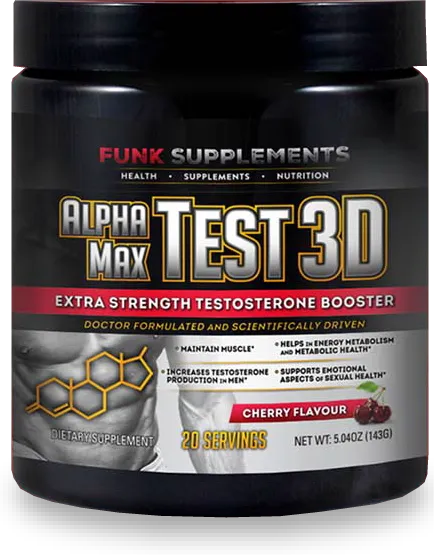
All-natural testosterone booster I formulated with the one and only Funk Roberts.
The Better Fit Mask
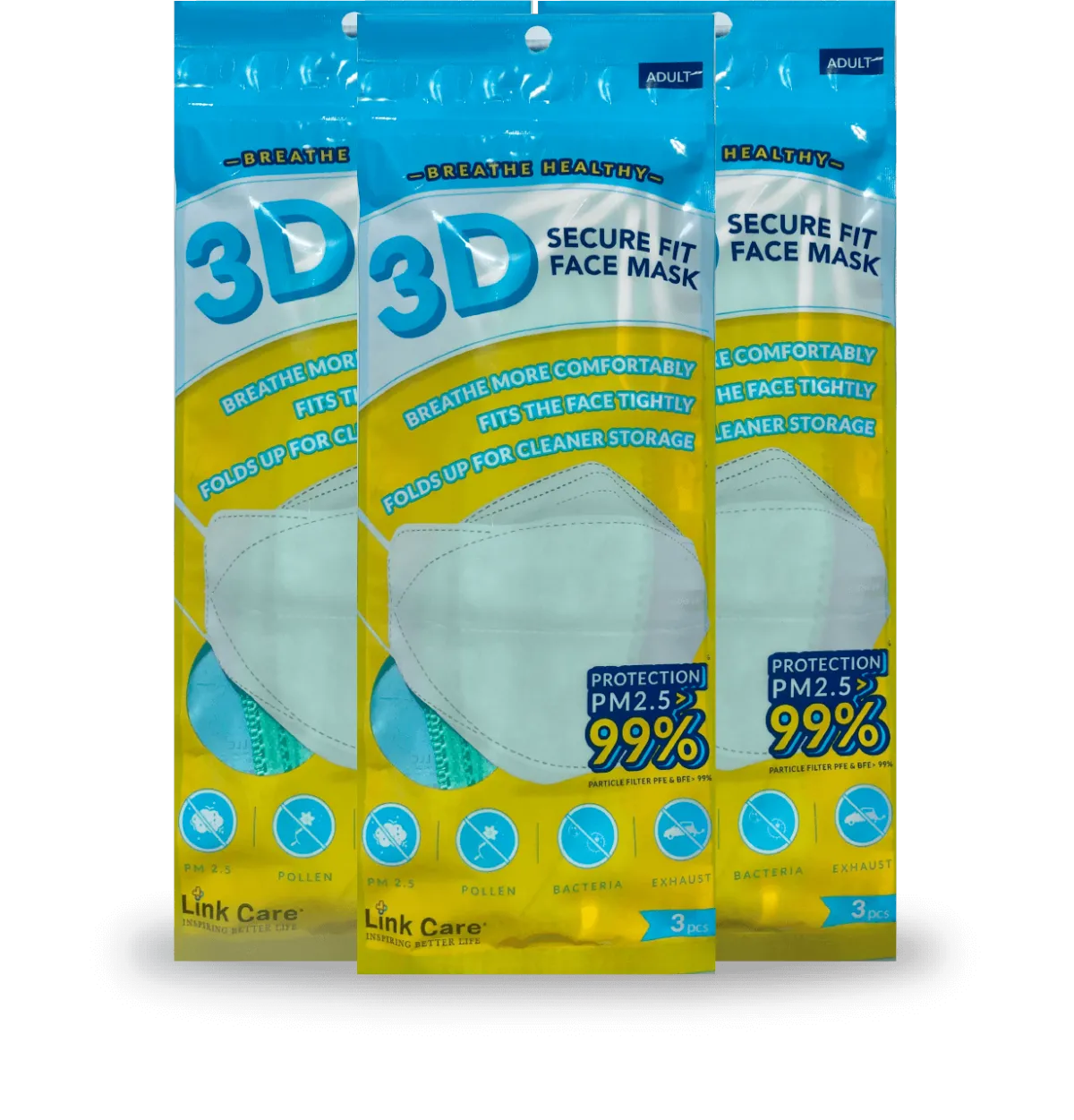
My preferred facemask for protection and comfort. Use code: DRANTON for 10% off.
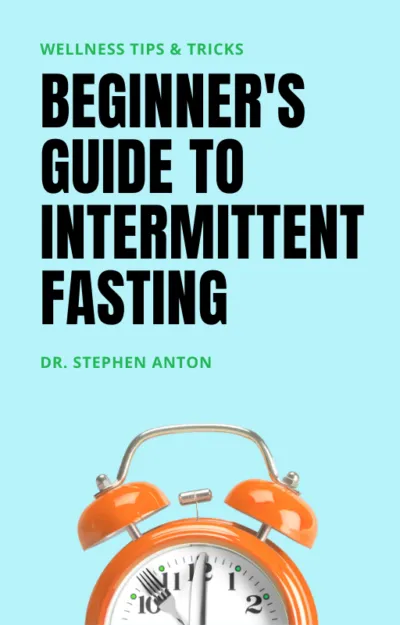
Get the Beginner’s Guide to Intermittent Fasting
Take advantage of this FREE PDF and learn the basics of intermittent fasting.
Recent Blogs
Coffee Before a Workout: Helpful or Harmful?
Should you drink coffee before a workout? The answer is “it depends” but for most people coffee will enhance drive and performance during the workout.
This does not necessarily mean you should drink it, however. One key factor in this decision is the time of day you train.
If you like to workout earlier in the day, there is little risk that coffee will affect your sleep that evening. This is because the half-life of coffee is approximately six hours, which means half of it is gone every six hours. So by the time you fall asleep, the majority of the caffeine in the coffee has left your system.
If your workout is typically later in the day, then the decision of whether or not to have a cup of coffee before the workout depends on a few factors, including: 1) your baseline level of arousal/ energy levels 2) how sensitive your body is to coffee, and 3) how coffee affects your sleep.
Why Does Coffee Enhance a Workout?
There are multiple ways in which coffee can enhance a workout. First, it stimulates many neuro-hormonal pathways, which and lead to increased blood flow to the heart, brain, and skeletal muscles. This results in a heightened state of mind-body arousal, which many of us have come to rely on before starting the day.
If you like to train in the morning, the coffee can help the body shift from using glucose to using fat as a source of energy. This can obviously influence the amount of fat burned during the workout, while the stimulation of neurotransmitters in the brain can also heighten drive and intensity of workouts. With increased intensity comes greater distances run and/or heavier weights lifted which lead to greater adaptation and better results.
For example, one study found that sprinters who consumed coffee or caffeine were able to sustain higher levels of performance than those who consumed a placebo. Another study found coffee arabica enhanced cognitive abilities and also reaction time.
Coffee Is More Than Just Caffeine
At this point, you may be wondering if the same results would be achieved from caffeine only. I believe the answer is an emphatic no. Caffeine is merely one component that can contribute to the performance enhancing effects of coffee.
The truth is coffee actually contains hundreds of biologically active compounds, which are distinct from caffeine, that stimulate drive, energy, and fat mobilization.
For example, coffee contains compounds called chlorogenic acids, which are major dietary polyphenols that work directly on the mitochondria (our cells’ powerhouse) of all cells in the body including the heart and brain. These compounds have been shown to increase fat oxidation in healthy males after just 5 days.
But the benefits do not stop there!
Coffee also contains additional compounds to stimulate fat burning, such as trigonelline, cafestol and kahweol. By affecting specific nutrient-sensing pathways and enzymes which play a role in cellular energy balance, coffee has multiple physiological effects that go beyond caffeine alone.
Coffee Before a Workout: Factors to Consider
1. Baseline Level of Arousal
The goal is to put your mind-body in that optimal arousal state where things get done and you experience sustained high energy levels throughout the workout. For more information on the relationship between arousal and performance, check out the Yerkes-Dotson law in psychology.
If your arousal level is low, or you are feeling tired, then an increase in arousal should enhance performance. For most people, the extra boost provided by the coffee in the morning puts them right where they need to be before a workout. So, you should feel free to enjoy a good cup of brew.
On the other hand, if you are someone who wakes up in a naturally high state of energy or arousal, then the coffee before workout may not be needed or even advised. This is because too much arousal could have potential detrimental effects on performance. We know that too much arousal can be just as detrimental as too little.
Yes, you want to have drive but not so much that you feel like your head might burst or eyes pop out of your head while lifting. Most likely, you have experienced the feeling of consuming so much caffeine that you have trouble concentrating. This is not ideal from a performance standpoint, as focus is a critical factor in lifting, and if you are doing cardio, you do not want to put too much strain on the heart muscle.
Too much stress being placed on the system, primarily from the caffeine in coffee, while training could lead to a headache or other unwanted symptoms, such as gastric upset or sleep disruptions.
2. Time of Day
We all have a circadian rhythm, which is means that the function of our cells and hormones change over the course of a 24-hour period. This means our physiological state of arousal and energy will naturally vary over the course of the day.
For this reason, it is important to keep in mind that there are certain times of the day when our arousal levels will naturally be higher when deciding whether or not to have that cup of coffee. Typically, our arousal levels, based on body temperature and heart rate measurements, are highest between the hours of three to 6pm.
If you drink coffee at these times, there’s the potential for it to take you out of the optimal arousal zone. This would obviously not be ideal and may require some experimentation on your part. If you really love how you feel after a good cup of coffee, then you may consider a smaller cup or amount at this time than you would have in the morning. That is, if your goal is to be in a state of optimal arousal during your workout.
3. Effects on Sleep
For most people, it is best not to consume coffee too late in the afternoon, generally after 3 or 4pm, as it could interfere with sleep that evening. And we know that good quality sleep is critical to recovery and achieving your workout goal the next day. This means that anything that interferes with good quality sleep would be counter-productive.
Should You Have a Coffee Before Your Next Workout?
Overall, if you are low on the arousal spectrum or feeling tired but really want to get a work out in, then coffee should facilitate the workout. But the amount consumed should depend on the factors mentioned above: baseline arousal level, time of day, and potential effect on sleep.
Of course, you may also like to workout more than once a day. Personally, I almost always drink coffee before morning or midday workouts, but not before late afternoon workouts. These are typically powered by ketones, which are caffeine free.
If you are someone who experiences positive effects, then by all means, drink up. Just make sure it’s organic.
About
Stephen Anton PhD in Clinical and Health Psychology, University of Florida 25+ years researching longevity and healthy aging. Published in NEJM, JAMA, American Journal of Clinical Nutrition, and more. Recognized expert in intermittent fasting, metabolism, and cardiovascular health
© Copyright 2026 | All Rights Reserved Dr. Stephen Anton | Terms & Conditions
This information is for educational purposes only and is not a substitute for personalized medical advice. Please consult your physician before making changes to your health routine.