




Choose the Right Path for Your Goals
Whether you want daily accountability, a comprehensive program, one-on-one coaching, or need expert guidance for your organization, I have options that fit where you are right now.
Start Free: The Optimal Wellness Plan
Not sure which service is right for you? Start here.
Get a free personalized wellness assessment that shows you exactly where you stand and what to focus on first. Includes my bestselling Optimal Wellness Book with simple, science-backed strategies you can start using today.
Best for: Everyone. This is the perfect starting point.

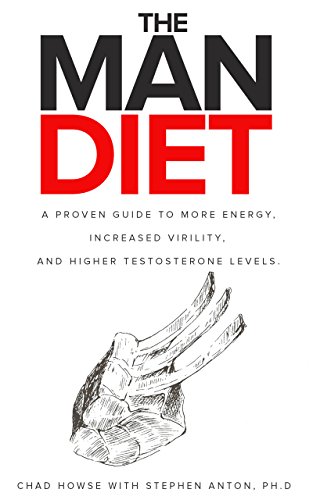
The Man Diet
By Chad Howse and Dr. Stephen Anton
In a frightening discovery, researchers from Massachusetts found a steady decline in male testosterone levels at a rate of about 1.2% each year, independent of age.
Odds are that your testosterone levels are far lower than your father’s were at your age, and lower still than your grandfather’s.
Lower testosterone levels:
Increase your likelihood for experiencing low energy and depression.
Your risk of heart disease and certain cancers.
Your likelihood of being overweight and obese.
While making it more likely that you experience impotence.
This decline in manhood, however, does not have to be a part of your story.
Popular Blogs
Brain Responses to Intermittent Fasting and the Healthy Living Diet
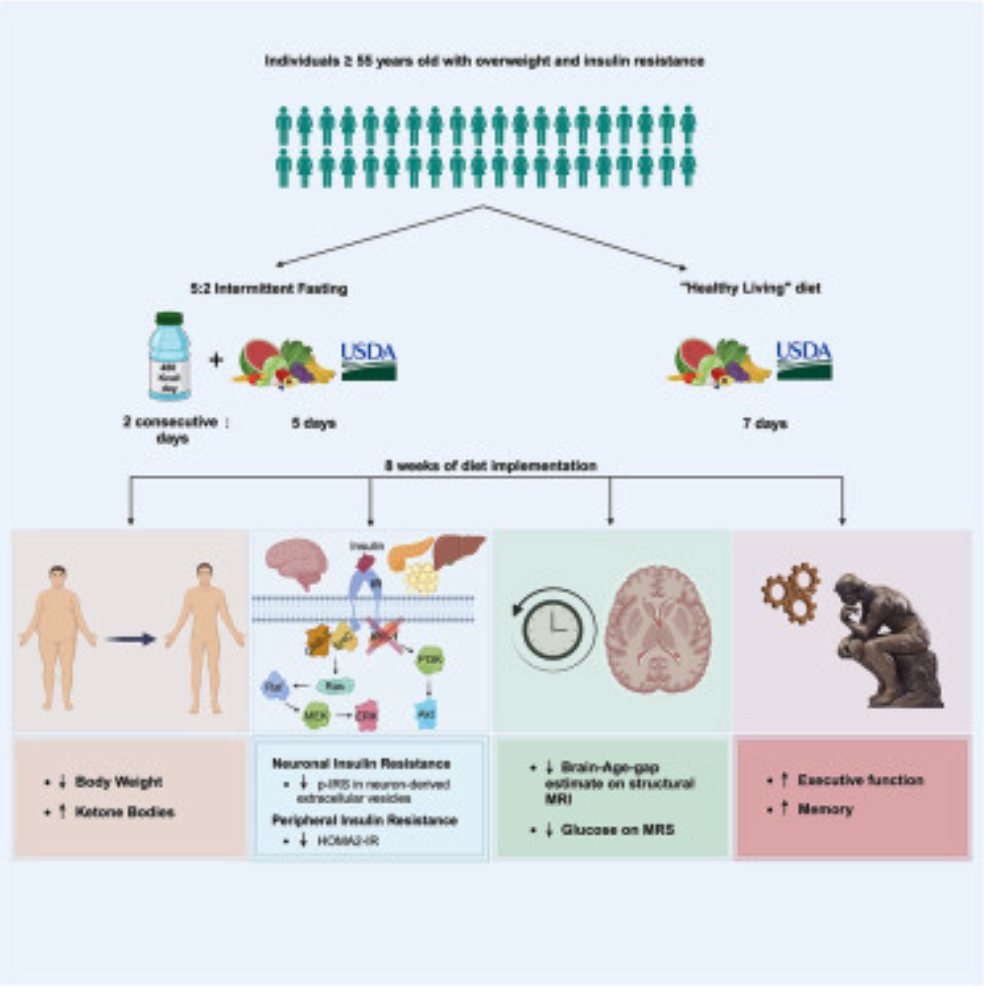
In recent years, the impact of diet on brain health, particularly in older adults, has garnered significant attention. A study titled “Brain responses to intermittent fasting and the healthy living diet in older adults” sheds light on how different dietary interventions can influence cognitive functions in the elderly. This blog delves into the findings of a recent study that examined the benefits of intermittent fasting (IF) and a healthy living diet (HLD) on brain health.
Table of Contents
Intermittent Fasting: A Cognitive Boost
Intermittent Fasting: A Cognitive Boost
Mechanisms of Intermittent Fasting
So, what is intermittent fasting? Intermittent fasting involves cycles of eating and fasting, which can help improve metabolic health. During fasting periods, the body undergoes several beneficial changes, such as improved insulin sensitivity, reduced inflammation, and enhanced autophagy (the body’s way of cleaning out damaged cells). These changes can have profound effects on brain health and cognitive function.
Cognitive Benefits of IF
The study found that intermittent fasting positively impacts brain function in older adults. Participants who adhered to the IF regimen, where they ate normally for five days and restricted calorie intake to less than 500 calories on two non-consecutive days, showed improvements in memory, executive function, and overall cognitive performance. This can be attributed to the neuroprotective effects of fasting, which include increased production of brain-derived neurotrophic factor (BDNF) and reduced oxidative stress.
Brain-Derived Neurotrophic Factor (BDNF)
BDNF is a protein that supports the growth, development, and maintenance of neurons. Increased levels of BDNF during intermittent fasting enhance synaptic plasticity, which is crucial for learning and memory processes. Studies have shown that higher BDNF levels are associated with improved cognitive function and reduced risk of neurodegenerative diseases.
Reduction of Oxidative Stress
Oxidative stress results from an imbalance between free radicals and antioxidants in the body, leading to cell damage. Intermittent fasting helps reduce oxidative stress by enhancing the body’s antioxidant defenses and improving mitochondrial function, thereby protecting brain cells from damage and supporting cognitive health.
The Healthy Living Diet: A Balanced Approach
Components of the HLD
The healthy living diet emphasizes the consumption of whole foods, including fruits, vegetables, whole grains, lean proteins, and healthy fats. This diet is rich in antioxidants, vitamins, and minerals, which are essential for maintaining brain health and preventing cognitive decline.
Cognitive Benefits of the HLD
Participants following the healthy living diet also experienced significant improvements in cognitive function. The study highlighted that a diet rich in nutrients supports brain health by reducing inflammation, improving blood flow to the brain, and providing the necessary building blocks for neurotransmitter production.
Anti-Inflammatory Effects
Chronic inflammation is linked to various cognitive impairments and neurodegenerative diseases. The healthy living diet, rich in anti-inflammatory foods such as fruits, vegetables, and omega-3 fatty acids, helps reduce systemic inflammation, thereby supporting cognitive function and brain health.
Improved Blood Flow
Proper blood circulation is vital for delivering oxygen and nutrients to the brain. The healthy living diet includes foods that promote cardiovascular health, such as leafy greens and whole grains, which improve blood flow and, consequently, brain function.
Comparing IF and HLD
Synergistic Effects
While both intermittent fasting and the healthy living diet independently offer cognitive benefits, combining these approaches may provide synergistic effects. Intermittent fasting can enhance the benefits of a healthy living diet by optimizing metabolic health and further reducing inflammation and oxidative stress.
Enhanced Metabolic Health
Combining intermittent fasting with a nutrient-rich diet can enhance insulin sensitivity, promote efficient energy use, and reduce the risk of metabolic disorders. This synergy supports brain health by ensuring a steady supply of energy and reducing harmful metabolic byproducts.
Personalization and Adaptation
The study suggests that dietary interventions should be personalized based on individual health needs and preferences. Older adults can benefit from both IF and HLD, but it is essential to adapt these strategies to fit their lifestyle and ensure sustainability.
Individual Preferences
Personalizing dietary interventions ensures adherence and long-term success. Some individuals may find intermittent fasting easier to follow, while others may prefer a more traditional healthy diet approach. Tailoring the plan to individual preferences can maximize the benefits.
Conclusion
The research on brain responses to intermittent fasting and the healthy living diet in older adults underscores the importance of dietary choices in maintaining cognitive health. Both IF and HLD offer unique benefits that can help improve memory, executive function, and overall cognitive performance in the elderly. By learning how to intermittent fast and incorporating these dietary strategies, older adults can enhance their brain health and potentially reduce the risk of cognitive decline.
For more detailed insights, you can refer to the original study published in Cell Metabolism
Brain responses to intermittent fasting and the healthy living diet in older adults

How I Help You Age Better
I've organized everything I offer around five core areas. You probably need help in more than one of these areas - most people do. The good news is if you improve in one area, you are likely to see improvements in other areas.

More Energy & Better Metabolism
You want to wake up ready to go, not drag through the day. This is about optimizing how your body processes food and fuel. Better metabolism means better energy, easier weight control, and stronger physical performance.
Brain Health & Sharp Thinking
Protecting your brain and maintaining your mental clarity as you age isn't something that happens by accident. It requires specific nutrition, sleep habits, movement, and lifestyle strategies specific to brain health. I'll show you exactly what works.
Stay Strong & Move Without Pain
Maintaining muscle, balance, and mobility is what allows you to live a full life and stay independent as you age. Whether it’s hiking, skiing, playing with your kids (or grandkids) or just moving through your day without stiffness - this matters.
Recovery & Physical Resilience
Your body needs proper recovery to stay healthy. This includes good quality sleep, stress management, and movement strategies that help you bounce back faster.
Purpose & Peace of Mind
Physical health is part of the equation. So is feeling like you're in control of your future, living with purpose, and knowing you're doing the right things at the right times.
How I Help You Age Better
I've organized everything I offer around five core areas. You probably need help in more than one of these areas - most people do. The good news is if you improve in one area, you are likely to see improvements in other areas.
Alpha Max Test 3D

All-natural testosterone booster I formulated with the one and only Funk Roberts.
The Better Fit Mask

My preferred facemask for protection and comfort. Use code: DRANTON for 10% off.
Get the Beginner’s Guide to Intermittent Fasting
Take advantage of this FREE PDF and learn the basics of intermittent fasting.
Recent Blogs
Brain Responses to Intermittent Fasting and the Healthy Living Diet
In recent years, the impact of diet on brain health, particularly in older adults, has garnered significant attention. A study titled “Brain responses to intermittent fasting and the healthy living diet in older adults” sheds light on how different dietary interventions can influence cognitive functions in the elderly. This blog delves into the findings of a recent study that examined the benefits of intermittent fasting (IF) and a healthy living diet (HLD) on brain health.
Table of Contents
Intermittent Fasting: A Cognitive Boost
Intermittent Fasting: A Cognitive Boost
Mechanisms of Intermittent Fasting
So, what is intermittent fasting? Intermittent fasting involves cycles of eating and fasting, which can help improve metabolic health. During fasting periods, the body undergoes several beneficial changes, such as improved insulin sensitivity, reduced inflammation, and enhanced autophagy (the body’s way of cleaning out damaged cells). These changes can have profound effects on brain health and cognitive function.
Cognitive Benefits of IF
The study found that intermittent fasting positively impacts brain function in older adults. Participants who adhered to the IF regimen, where they ate normally for five days and restricted calorie intake to less than 500 calories on two non-consecutive days, showed improvements in memory, executive function, and overall cognitive performance. This can be attributed to the neuroprotective effects of fasting, which include increased production of brain-derived neurotrophic factor (BDNF) and reduced oxidative stress.
Brain-Derived Neurotrophic Factor (BDNF)
BDNF is a protein that supports the growth, development, and maintenance of neurons. Increased levels of BDNF during intermittent fasting enhance synaptic plasticity, which is crucial for learning and memory processes. Studies have shown that higher BDNF levels are associated with improved cognitive function and reduced risk of neurodegenerative diseases.
Reduction of Oxidative Stress
Oxidative stress results from an imbalance between free radicals and antioxidants in the body, leading to cell damage. Intermittent fasting helps reduce oxidative stress by enhancing the body’s antioxidant defenses and improving mitochondrial function, thereby protecting brain cells from damage and supporting cognitive health.
The Healthy Living Diet: A Balanced Approach
Components of the HLD
The healthy living diet emphasizes the consumption of whole foods, including fruits, vegetables, whole grains, lean proteins, and healthy fats. This diet is rich in antioxidants, vitamins, and minerals, which are essential for maintaining brain health and preventing cognitive decline.
Cognitive Benefits of the HLD
Participants following the healthy living diet also experienced significant improvements in cognitive function. The study highlighted that a diet rich in nutrients supports brain health by reducing inflammation, improving blood flow to the brain, and providing the necessary building blocks for neurotransmitter production.
Anti-Inflammatory Effects
Chronic inflammation is linked to various cognitive impairments and neurodegenerative diseases. The healthy living diet, rich in anti-inflammatory foods such as fruits, vegetables, and omega-3 fatty acids, helps reduce systemic inflammation, thereby supporting cognitive function and brain health.
Improved Blood Flow
Proper blood circulation is vital for delivering oxygen and nutrients to the brain. The healthy living diet includes foods that promote cardiovascular health, such as leafy greens and whole grains, which improve blood flow and, consequently, brain function.
Comparing IF and HLD
Synergistic Effects
While both intermittent fasting and the healthy living diet independently offer cognitive benefits, combining these approaches may provide synergistic effects. Intermittent fasting can enhance the benefits of a healthy living diet by optimizing metabolic health and further reducing inflammation and oxidative stress.
Enhanced Metabolic Health
Combining intermittent fasting with a nutrient-rich diet can enhance insulin sensitivity, promote efficient energy use, and reduce the risk of metabolic disorders. This synergy supports brain health by ensuring a steady supply of energy and reducing harmful metabolic byproducts.
Personalization and Adaptation
The study suggests that dietary interventions should be personalized based on individual health needs and preferences. Older adults can benefit from both IF and HLD, but it is essential to adapt these strategies to fit their lifestyle and ensure sustainability.
Individual Preferences
Personalizing dietary interventions ensures adherence and long-term success. Some individuals may find intermittent fasting easier to follow, while others may prefer a more traditional healthy diet approach. Tailoring the plan to individual preferences can maximize the benefits.
Conclusion
The research on brain responses to intermittent fasting and the healthy living diet in older adults underscores the importance of dietary choices in maintaining cognitive health. Both IF and HLD offer unique benefits that can help improve memory, executive function, and overall cognitive performance in the elderly. By learning how to intermittent fast and incorporating these dietary strategies, older adults can enhance their brain health and potentially reduce the risk of cognitive decline.
For more detailed insights, you can refer to the original study published in Cell Metabolism
Brain responses to intermittent fasting and the healthy living diet in older adults
About
Stephen Anton PhD in Clinical and Health Psychology, University of Florida 25+ years researching longevity and healthy aging. Published in NEJM, JAMA, American Journal of Clinical Nutrition, and more. Recognized expert in intermittent fasting, metabolism, and cardiovascular health
© Copyright 2026 | All Rights Reserved Dr. Stephen Anton | Terms & Conditions
This information is for educational purposes only and is not a substitute for personalized medical advice. Please consult your physician before making changes to your health routine.