




Choose the Right Path for Your Goals
Whether you want daily accountability, a comprehensive program, one-on-one coaching, or need expert guidance for your organization, I have options that fit where you are right now.
Start Free: The Optimal Wellness Plan
Not sure which service is right for you? Start here.
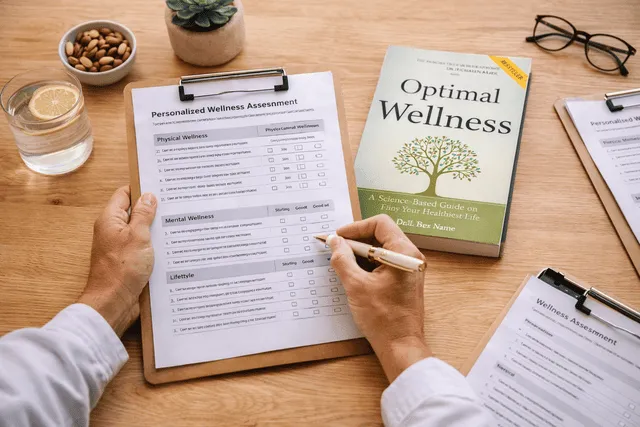
Get a free personalized wellness assessment that shows you exactly where you stand and what to focus on first. Includes my bestselling Optimal Wellness Book with simple, science-backed strategies you can start using today.
Best for: Everyone. This is the perfect starting point.
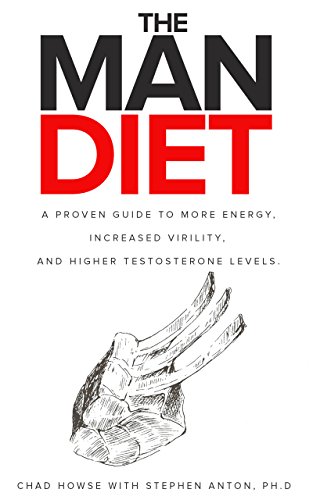
The Man Diet
By Chad Howse and Dr. Stephen Anton
In a frightening discovery, researchers from Massachusetts found a steady decline in male testosterone levels at a rate of about 1.2% each year, independent of age.
Odds are that your testosterone levels are far lower than your father’s were at your age, and lower still than your grandfather’s.
Lower testosterone levels:
Increase your likelihood for experiencing low energy and depression.
Your risk of heart disease and certain cancers.
Your likelihood of being overweight and obese.
While making it more likely that you experience impotence.
This decline in manhood, however, does not have to be a part of your story.
Popular Blogs
How Ketones Boost Your Metabolism and Energy Naturally
Do you ever feel tired even though you are eating enough food? Does your energy crash in the afternoon? The problem might be how your body makes energy. Let's talk about metabolism, ketones, and how they work together.
What Is Metabolism?
Metabolism is how your body turns food into energy. Think of it like a factory. Food goes in one end. Energy comes out the other end.
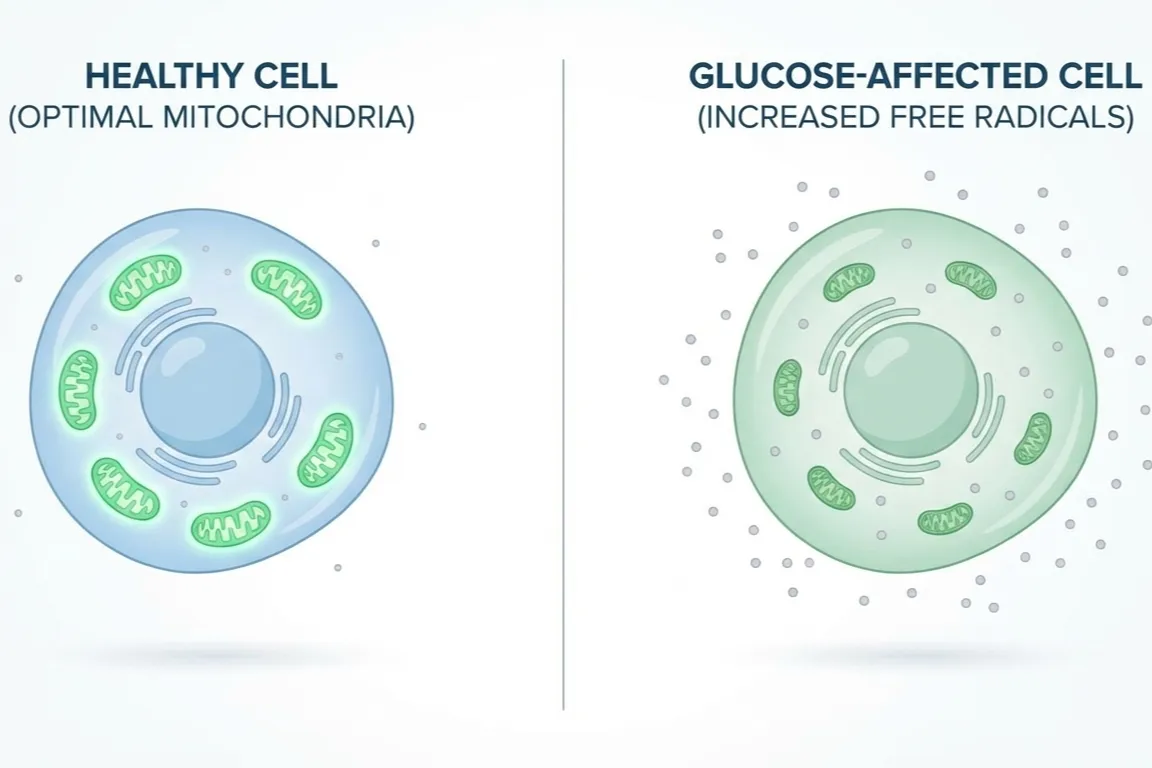
Your cells have tiny power plants called mitochondria. These mitochondria take the food you eat and turn it into energy your body can use. When your mitochondria work well, you feel energetic and strong. When they do not work well, you feel tired and sluggish.
A healthy metabolism means your mitochondria are doing their job well. They are making plenty of energy from your food.
The Problem with Low Metabolism
Many people try to lose weight by eating very few calories. They cut their food way down. At first, this might help them lose weight. But over time, something bad happens.
Studies show that when people eat very few calories for a long time, their metabolism slows down. Their bodies start making less energy. They feel more tired. They have less energy to do things.
This creates a problem. You are eating less food, but you also have less energy. You feel tired and weak. This makes it very hard to stick with the diet.
When your metabolism slows down, your body also burns fewer calories. This makes it even harder to lose weight. You have to eat less and less to keep losing weight. This cycle can be very frustrating.
The Good Side of Higher Metabolism
Having a higher metabolism has many benefits. First, you can eat more food without gaining weight. Your body burns more calories naturally. If you enjoy eating, this is great news.
Second, you burn fat more easily. When your metabolism is high, your body is good at using fat for energy. This means you can lose fat without feeling hungry or tired.
Third, you have more energy throughout the day. You do not feel sluggish. You can do more activities. You feel better overall.
The Challenge with Higher Metabolism
But higher metabolism is not perfect. There is one challenge to know about.
When your body makes energy, it also makes waste products. These waste products are called reactive oxygen species or free radicals. Think of them like smoke from a fire. The fire gives you heat and light, but it also makes smoke.
These free radicals can damage your cells if there are too many of them. Your body has defense systems to clean up these free radicals. But if your body makes too many free radicals, the defense systems cannot keep up.
This creates something called oxidative stress. Oxidative stress is when your cells are under attack from free radicals and cannot defend themselves well enough.
Oxidative stress can make you age faster. It can cause inflammation. It can lead to many health problems over time.
Finding the Right Balance
Your body is always trying to find balance. It needs to make enough energy to keep you going. But it also needs to keep oxidative stress low.
This balance is called redox balance. When you are in good redox balance, you have plenty of energy but not too much oxidative stress.
There are two ways to improve your redox balance. First, you can make your defense systems stronger. Second, you can reduce the amount of waste your body produces.
This is where ketones come in.
How Ketones Help
Ketones are special molecules your body makes when you eat a low carb, high fat diet. Your liver turns fat into ketones. Then your cells can use these ketones for energy instead of using sugar.
Here is the amazing thing about ketones. They are a much cleaner fuel than sugar.
When your cells burn sugar for energy, they make a lot of waste. They produce many free radicals. This creates oxidative stress.
But when your cells burn ketones for energy, they make much less waste. Ketones produce fewer free radicals per unit of energy than sugar does.
Think of it like two different cars. One car burns dirty fuel and makes a lot of smoke. The other car burns clean fuel and makes very little smoke. Ketones are like the clean fuel.
Ketones Do Double Duty
Ketones help in two ways. First, they make less waste when your body burns them for energy. This means fewer free radicals attacking your cells.
Second, ketones may actually help your body's defense systems work better. They might boost your natural antioxidant defenses. This means your body gets better at cleaning up free radicals.
So ketones help reduce the problem (fewer free radicals) and boost the solution (better defenses) at the same time. This is a powerful combination.
Lower Stress on Your Cells
When you follow a ketogenic diet and your body uses ketones for fuel, your cells are under much less stress. They do not have to deal with as many free radicals. They do not have as much oxidative stress.
This is one of the hidden benefits of a ketogenic diet. People talk a lot about weight loss and energy. But they do not talk as much about how ketones protect your cells from damage.
Lower oxidative stress means your cells stay healthier. They can do their jobs better. You age more slowly. Your risk of many diseases goes down.
Better Energy Without the Crash
Many people notice they have more steady energy on a ketogenic diet. They do not get the afternoon crash. They do not need caffeine to keep going.
This makes sense when you understand how ketones work. Your cells are getting clean fuel that burns efficiently. They are not dealing with as much waste and damage. They can focus on making energy instead of defending themselves.
Your mitochondria work better when they use ketones. They make energy more efficiently. The whole system runs more smoothly.
The Metabolism Connection
So how does this all connect to metabolism? Remember, metabolism is how your body turns food into energy.
When you eat a ketogenic diet, several good things happen. Your mitochondria work better. They make energy more efficiently. They produce less waste.
Your cells are under less stress. They can focus on making energy instead of repairing damage. Your whole metabolic system works better.
You end up with good energy levels without the high oxidative stress. You get the benefits of a healthy metabolism without the downsides.
How to Use This Information
If you want to boost your metabolism and energy while keeping oxidative stress low, consider trying a ketogenic diet.
Focus on eating healthy fats like avocados, olive oil, nuts, and fatty fish. Reduce your carbs and sugar. This will help your body start making ketones.
Give your body time to adjust. It takes a few days to a few weeks for your body to get good at using ketones for fuel. During this time, you might feel a little tired. This is normal. Once you adapt, most people feel much better.
Drink plenty of water. Get enough salt. These help your body adjust to using ketones.
Pay attention to how you feel. Most people notice they have more energy. They think more clearly. They feel better overall.
The Bottom Line
Your metabolism is not just about how many calories you burn. It is about how efficiently your body makes energy and how much stress your cells are under.
Ketones offer a unique advantage. They give you energy while producing less waste. They help your cells stay healthy and work better.
By following a ketogenic diet, you can support healthy metabolism, boost your energy, and reduce oxidative stress all at the same time.
This is why so many people feel amazing on a ketogenic diet. It is not just about weight loss. It is about giving your cells the cleanest fuel possible so they can work at their best.
How I Help You Age Better
I've organized everything I offer around five core areas. You probably need help in more than one of these areas - most people do. The good news is if you improve in one area, you are likely to see improvements in other areas.

More Energy & Better Metabolism
You want to wake up ready to go, not drag through the day. This is about optimizing how your body processes food and fuel. Better metabolism means better energy, easier weight control, and stronger physical performance.
Brain Health & Sharp Thinking
Protecting your brain and maintaining your mental clarity as you age isn't something that happens by accident. It requires specific nutrition, sleep habits, movement, and lifestyle strategies specific to brain health. I'll show you exactly what works.
Stay Strong & Move Without Pain
Maintaining muscle, balance, and mobility is what allows you to live a full life and stay independent as you age. Whether it’s hiking, skiing, playing with your kids (or grandkids) or just moving through your day without stiffness - this matters.
Recovery & Physical Resilience
Your body needs proper recovery to stay healthy. This includes good quality sleep, stress management, and movement strategies that help you bounce back faster.
Purpose & Peace of Mind
Physical health is part of the equation. So is feeling like you're in control of your future, living with purpose, and knowing you're doing the right things at the right times.
How I Help You Age Better
I've organized everything I offer around five core areas. You probably need help in more than one of these areas - most people do. The good news is if you improve in one area, you are likely to see improvements in other areas.
Alpha Max Test 3D
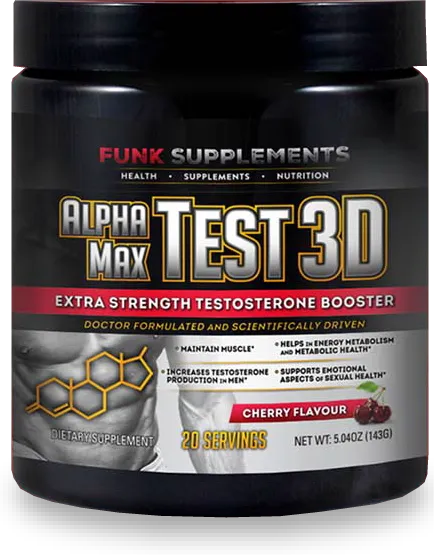
All-natural testosterone booster I formulated with the one and only Funk Roberts.
The Better Fit Mask
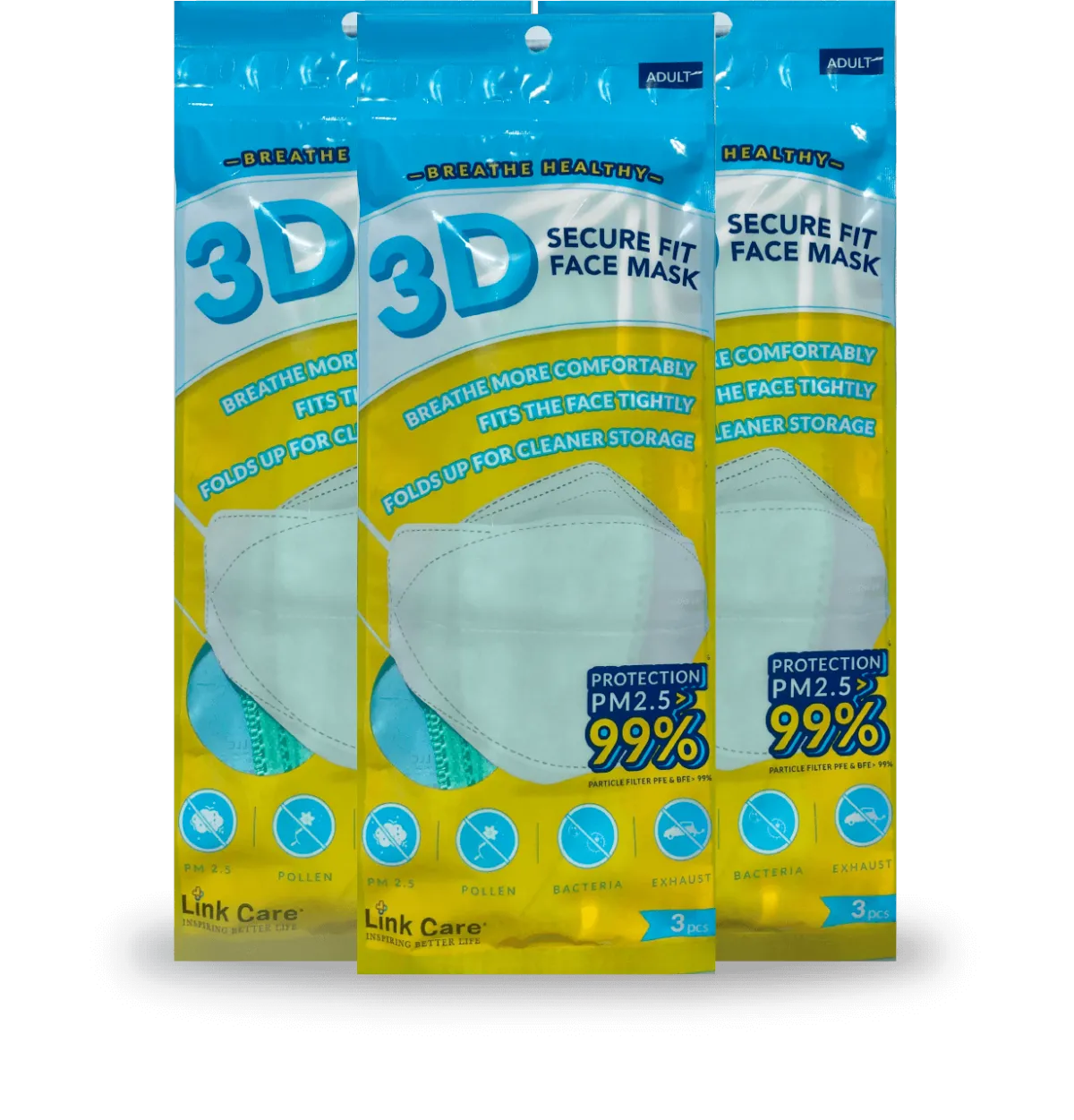
My preferred facemask for protection and comfort. Use code: DRANTON for 10% off.
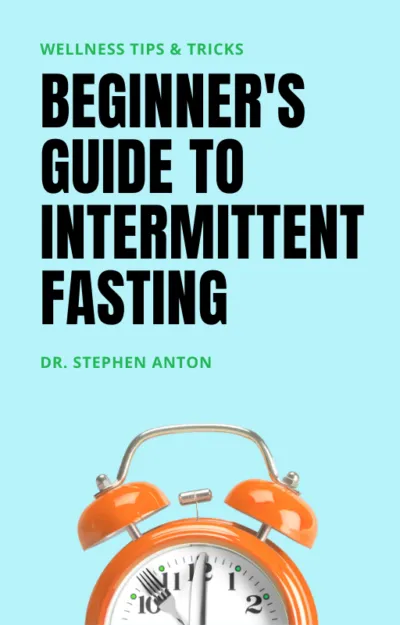
Get the Beginner’s Guide to Intermittent Fasting
Take advantage of this FREE PDF and learn the basics of intermittent fasting.
Recent Blogs
How Ketones Boost Your Metabolism and Energy Naturally
Do you ever feel tired even though you are eating enough food? Does your energy crash in the afternoon? The problem might be how your body makes energy. Let's talk about metabolism, ketones, and how they work together.
What Is Metabolism?
Metabolism is how your body turns food into energy. Think of it like a factory. Food goes in one end. Energy comes out the other end.
Your cells have tiny power plants called mitochondria. These mitochondria take the food you eat and turn it into energy your body can use. When your mitochondria work well, you feel energetic and strong. When they do not work well, you feel tired and sluggish.
A healthy metabolism means your mitochondria are doing their job well. They are making plenty of energy from your food.
The Problem with Low Metabolism
Many people try to lose weight by eating very few calories. They cut their food way down. At first, this might help them lose weight. But over time, something bad happens.
Studies show that when people eat very few calories for a long time, their metabolism slows down. Their bodies start making less energy. They feel more tired. They have less energy to do things.
This creates a problem. You are eating less food, but you also have less energy. You feel tired and weak. This makes it very hard to stick with the diet.
When your metabolism slows down, your body also burns fewer calories. This makes it even harder to lose weight. You have to eat less and less to keep losing weight. This cycle can be very frustrating.
The Good Side of Higher Metabolism
Having a higher metabolism has many benefits. First, you can eat more food without gaining weight. Your body burns more calories naturally. If you enjoy eating, this is great news.
Second, you burn fat more easily. When your metabolism is high, your body is good at using fat for energy. This means you can lose fat without feeling hungry or tired.
Third, you have more energy throughout the day. You do not feel sluggish. You can do more activities. You feel better overall.
The Challenge with Higher Metabolism
But higher metabolism is not perfect. There is one challenge to know about.
When your body makes energy, it also makes waste products. These waste products are called reactive oxygen species or free radicals. Think of them like smoke from a fire. The fire gives you heat and light, but it also makes smoke.
These free radicals can damage your cells if there are too many of them. Your body has defense systems to clean up these free radicals. But if your body makes too many free radicals, the defense systems cannot keep up.
This creates something called oxidative stress. Oxidative stress is when your cells are under attack from free radicals and cannot defend themselves well enough.
Oxidative stress can make you age faster. It can cause inflammation. It can lead to many health problems over time.
Finding the Right Balance
Your body is always trying to find balance. It needs to make enough energy to keep you going. But it also needs to keep oxidative stress low.
This balance is called redox balance. When you are in good redox balance, you have plenty of energy but not too much oxidative stress.
There are two ways to improve your redox balance. First, you can make your defense systems stronger. Second, you can reduce the amount of waste your body produces.
This is where ketones come in.
How Ketones Help
Ketones are special molecules your body makes when you eat a low carb, high fat diet. Your liver turns fat into ketones. Then your cells can use these ketones for energy instead of using sugar.
Here is the amazing thing about ketones. They are a much cleaner fuel than sugar.
When your cells burn sugar for energy, they make a lot of waste. They produce many free radicals. This creates oxidative stress.
But when your cells burn ketones for energy, they make much less waste. Ketones produce fewer free radicals per unit of energy than sugar does.
Think of it like two different cars. One car burns dirty fuel and makes a lot of smoke. The other car burns clean fuel and makes very little smoke. Ketones are like the clean fuel.
Ketones Do Double Duty
Ketones help in two ways. First, they make less waste when your body burns them for energy. This means fewer free radicals attacking your cells.
Second, ketones may actually help your body's defense systems work better. They might boost your natural antioxidant defenses. This means your body gets better at cleaning up free radicals.
So ketones help reduce the problem (fewer free radicals) and boost the solution (better defenses) at the same time. This is a powerful combination.
Lower Stress on Your Cells
When you follow a ketogenic diet and your body uses ketones for fuel, your cells are under much less stress. They do not have to deal with as many free radicals. They do not have as much oxidative stress.
This is one of the hidden benefits of a ketogenic diet. People talk a lot about weight loss and energy. But they do not talk as much about how ketones protect your cells from damage.
Lower oxidative stress means your cells stay healthier. They can do their jobs better. You age more slowly. Your risk of many diseases goes down.
Better Energy Without the Crash
Many people notice they have more steady energy on a ketogenic diet. They do not get the afternoon crash. They do not need caffeine to keep going.
This makes sense when you understand how ketones work. Your cells are getting clean fuel that burns efficiently. They are not dealing with as much waste and damage. They can focus on making energy instead of defending themselves.
Your mitochondria work better when they use ketones. They make energy more efficiently. The whole system runs more smoothly.
The Metabolism Connection
So how does this all connect to metabolism? Remember, metabolism is how your body turns food into energy.
When you eat a ketogenic diet, several good things happen. Your mitochondria work better. They make energy more efficiently. They produce less waste.
Your cells are under less stress. They can focus on making energy instead of repairing damage. Your whole metabolic system works better.
You end up with good energy levels without the high oxidative stress. You get the benefits of a healthy metabolism without the downsides.
How to Use This Information
If you want to boost your metabolism and energy while keeping oxidative stress low, consider trying a ketogenic diet.
Focus on eating healthy fats like avocados, olive oil, nuts, and fatty fish. Reduce your carbs and sugar. This will help your body start making ketones.
Give your body time to adjust. It takes a few days to a few weeks for your body to get good at using ketones for fuel. During this time, you might feel a little tired. This is normal. Once you adapt, most people feel much better.
Drink plenty of water. Get enough salt. These help your body adjust to using ketones.
Pay attention to how you feel. Most people notice they have more energy. They think more clearly. They feel better overall.
The Bottom Line
Your metabolism is not just about how many calories you burn. It is about how efficiently your body makes energy and how much stress your cells are under.
Ketones offer a unique advantage. They give you energy while producing less waste. They help your cells stay healthy and work better.
By following a ketogenic diet, you can support healthy metabolism, boost your energy, and reduce oxidative stress all at the same time.
This is why so many people feel amazing on a ketogenic diet. It is not just about weight loss. It is about giving your cells the cleanest fuel possible so they can work at their best.
About
Stephen Anton PhD in Clinical and Health Psychology, University of Florida 25+ years researching longevity and healthy aging. Published in NEJM, JAMA, American Journal of Clinical Nutrition, and more. Recognized expert in intermittent fasting, metabolism, and cardiovascular health
© Copyright 2026 | All Rights Reserved Dr. Stephen Anton | Terms & Conditions
This information is for educational purposes only and is not a substitute for personalized medical advice. Please consult your physician before making changes to your health routine.