
Age Better. Stay Strong. Keep Your Mind Sharp.
You don't have to accept the energy loss, weight gain, and mental fog that many people assume come with aging. I help adults in their 40s, 50s, 60s, and 70s and beyond restore their energy, maintain their strength, and support long-term brain health through evidence-based nutrition, lifestyle changes, and practical recovery approaches that fit real life.

Age Better. Stay Strong. Keep Your Mind Sharp.
You don't have to accept the energy loss, weight gain, and mental fog that people assume come with aging. I help adults in their 40s, 50s, 60s, and 70s feel more energetic, stay strong, and protect their brain health using evidence-based nutrition, lifestyle changes, and recovery strategies that work in the real world.



The Outcome That Matters Most: Getting Your Life Back.
Not a different life. Not someone else's life. Their life.
The energy they remember having. The ability to move without pain. Clear thinking. The confidence that they're not on a downward slide.
That's what keeps people committed to the process. They stick with it because it works.
And here's what happens:
Most people notice more energy within 3–4 weeks. Around 6–8 weeks, clothes begin fitting differently. Sleep improves. Brain fog lifts. They start feeling like themselves again.
Just as important, they understand why these changes happen. They can see the connection between what they're doing and how they feel. They trust the process because it's grounded in rigorous research and human biology—not opinions, trends, or influencer hype.
That understanding changes everything.
It’s what turns short-term progress into lasting results.
The Foundation:
I've spent 25+ years researching how to slow biological aging and keep people strong and sharp as they get older. My work has been published in the New England Journal of Medicine, JAMA, and the American Journal of Clinical Nutrition. But what really matters is translating these scientific discoveries into practical strategies that work for real people, strategies you can use right now, at home, at work, in your daily life.
This is science translated into daily decisions that compound over time.

What's Really Motivating You To Change?
You're probably tired of:
Waking up without energy or hitting an afternoon slump
Struggling with weight gain despite eating “healthy”
Brain fog and difficulty focusing
Joint pain and stiffness that makes you avoid exercise
Fear that you're losing your strength and independence
Conflicting health advice everywhere you look
Poor sleep and slow recovery
The real problem:
You don't need another fad diet or wellness gimmick. You need a clear, science-backed approach that respects your intelligence and actually fits your life.
That's where I come in.
Popular Blogs
7 Surprising Benefits of Backward Walking: Why You Should Give it a Try
Walking is one of the simplest and most accessible forms of exercise, but have you ever considered walking backward?
While it might seem odd at first, backward walking, also known as retro-walking or reverse walking, has been gaining popularity as an effective and unique way to stay fit and improve overall health.
In this blog, I will explore the surprising benefits of backward walking and why you should give it a try.
Table of Contents
History of Backward Walking
Backward walking, a practice rooted in ancient traditions, has been rediscovered and lauded for its remarkable impact on both the mind and body.
Backward walking is not a new concept; it has roots in ancient practices such as Tai Chi and Qigong. In these traditional Chinese exercises, backward walking is used to improve balance, coordination, and mindfulness.
Throughout history, various cultures have integrated backward walking into their fitness routines for different reasons, making it a time-tested approach to exercise.
7 Benefits of Backward Walking
Improved Balance and Coordination
Backward walking engages different muscle groups and challenges your sense of balance and coordination. By walking in reverse, you force your brain to activate distinct neural pathways and strengthen your proprioception – your ability to perceive the position and movement of your body in space. This increased spatial awareness can have positive effects on your overall balance and stability.
In a study involving 33 healthy individuals, backward walking (compared to forward walking) had positive effects on gait and balance ability and can minimize the burden or strain placed on joints and increase lower limb muscle strength.
Overall, studies indicate that backwards walking has a positive influence on walking function improvement among patients after stroke.
Enhanced Cardiovascular Function
Backward walking requires more effort than forward walking due to the unnatural motion, resulting in an increased heart rate and improved cardiovascular fitness. It provides an excellent low-impact cardio workout without putting excessive strain on your joints, making it a suitable option for people of all ages and fitness levels.
For example, backwards walking on a treadmill for thirty minutes three times a week for four weeks increased balance, walking speed, and cardiopulmonary fitness in post-stroke patients.
Another study found that the addition of 30 min of backwards walking for stroke rehabilitation resulted in greater improvements in both forward and backward walking speed compared to a standard balance program.6
Stronger Muscles
Unlike forward walking, backward walking targets different muscles. The quadriceps, hamstrings, and glutes are more engaged during backwards-walking, which can lead to increased muscle strength and tone in these areas.
For example, in a six-week study conducted on individuals with knee osteoarthritis, the participants in the backwards walking group had greater improvements in muscle strength, and greater reductions in pain intensity and functional disability, compared to the forward walking group.7
Additionally, the core muscles play a significant role in maintaining stability during backward walking, thus contributing to improved abdominal strength.
Reduced Joint Impact
For individuals with joint issues or those who want to give their joints a break, backward walking can be a fantastic alternative to high-impact exercises. It puts less strain on the knees and ankles because when you walk backwards weight is transferred from the ball of the foot to the heal. This make it a safer option for those recovering from injuries or suffering from conditions such as arthritis.
Backwards walking can also help to reduce stiffness in the joints, increase flexibility, and enhance proprioception.
Combat Negative Effects of Prolonged Sitting
Yet another reason to incorporate backwards walking is to combat some of the negative effects of prolonged sitting on our hip flexors and lower back. Almost all of us sit too much these days, and when we sit too long our hip flexors start to become shorter and weaker. This can cause an anterior pelvic tilt, which puts a strain on the muscles in the lower back and leads many people to conclude that they are getting older or that they have bad backs.
The good news is that in most cases, this is not true. And the really good news is that backwards walking can help unravel the negative effects of prolonged sitting on our hip flexors, pelvic floor, and lower back.
If you are someone whose job demands that you sit or even stand for long periods of time, then it is highly recommended that you incorporate backwards walking into your lifestyle.
Improve Brain Health
All studies mentioned above point to beneficial effects of engaging in backwards walking to improve physical function. But backwards walking appears to benefit the brain just as much as the body!
Backward walking requires focus and concentration, as it goes against our natural walking habits. The act of walking in reverse requires greater attention, coordination, and concentration, activating the prefrontal and sensorimotor cortex, hippocampus, and cerebellum. This, in turn, enhances brain plasticity and promotes cognitive abilities.
Furthermore, backwards walking has been shown to increase blood flow to the brain. This increased blood flow delivers oxygen and vital nutrients, optimizing brain function.
Not surprisingly, regular backwards walking has been linked to improved memory, attention, and executive function, making it an excellent exercise for middle-aged and older adults looking to maintain or enhance their cognitive abilities.
Versatility of Backward Walking
One of the best aspects of backward walking is its flexibility. It does not require any special tools or equipment, so you can do it virtually anywhere – on a treadmill, a track, in a park, or even at home. It can be incorporated into your daily routine, serving as an additional form of exercise or as a warm-up before other physical activities.
Proper Form and Technique
Mastering the proper form and technique for backwards walking is essential to reap the maximum benefits of this unique exercise.
Whether you are using backwards walking for rehabilitation and physical therapy, improving joint mobility and preventing falls, or enhancing brain function and cognitive abilities, understanding the correct way to perform this exercise is vital.
Prioritize Posture
One of the most significant mistakes to avoid is improper posture. When walking backwards, it is crucial to maintain an upright posture with your spine aligned and shoulders relaxed. Avoid hunching forward or slouching, as this can strain your back and neck muscles. Engaging your core muscles and keeping your head up will help you maintain proper posture and prevent unnecessary strain.
Focus on Small Steps
Another mistake to watch out for is taking overly long strides. While it may seem intuitive to take longer steps for a more efficient walk, this can actually increase the risk of injury, especially for seniors. Instead, focus on taking smaller steps and concentrating on your foot placement. The ball of the foot should strike first followed by the heal. This rolling motion helps to distribute the impact evenly throughout the body and promotes fluid movement.
Let Your Arms Swing
Arm swing also play an important role in backwards walking. Let your arms swing naturally in sync with your legs, but avoid excessive swinging or crossing them in front of your body. This coordinated arm movement helps to maintain balance and rhythm while walking backwards.
How to Start Backward Walking
Pace Yourself
As with any exercise, it is important to start slowly and gradually increase the intensity and duration. Begin with short walks and gradually extend the distance as your body adapts to the new movement pattern. Listen to your body and take breaks if necessary, especially if you experience any discomfort or pain.
Use Proper Footwear
Footwear is also an important consideration. If possible, I recommend walking in zero-drop shoes, as these will allow for the full range of motion and gently stretch your calf and hamstring on each backwards step. If you prefer to walk barefoot, then walking inside and/or on grass is also a good option to consider.
Regular shoes padded shoes can also work for backwards walking, just be sure to make sure the insoles are in good shape. The stretch will not be as good as with the zero drop shoes but the exercise will still provide many benefits.
Best Places for Backward Walking
Choose a safe and suitable environment: Select a smooth and flat surface for your backwards walking sessions to minimize the risk of tripping or stumbling. Avoid uneven terrain, slippery surfaces, or areas with obstacles that could pose a hazard. A track, gymnasium, or a clear path in a park would be ideal locations. It is advisable to have a partner or spotter when starting out to provide additional support and assistance.
Another great option to begin backwards walking is a therapy pool or regular pool. The water is as safe an environment as you can get and at the same time provides some natural resistance with each step.
Backward Walking Products
Outdoor Products
If you live on a street that is not too busy and are willing to invest some dollars, I highly recommend purchasing a push resistance sled and pulling it backwards on the road. The brand called the “Tank” is my favorite as the sled has wheels and you can manually adjust the resistance to your desired level.
The added resistance can really strengthen the joints, tendons, and facia of the body as you move backwards. This will take your backwards walking to a whole other level, and is great for the joints and muscles. For extra benefit, I recommend pulling the sled backwards up a hill if you have one close by.
Of course, this may not be possible for everyone if you do not live near a hill and/or do not have a Tank. Or you may be someone who simply prefers to exercise indoors.
Indoor Products
For these reasons, I highly recommend to consider trying the brand new and patent-pending self-propelled treadmill (Coupon Code: DRANTON) created by Ben Patrick and his ATG team.
This machine can simulate walking uphill and can be used indoors while watching television or talking on the phone. It does not take up much space and thus can be a convenient method to get in backwards walking daily.
Backward Walking Final Thoughts
Backward walking is more than just a novel exercise; it is a mind and body medicine that can transform the way we approach life. By creating new neurons in the brain, improving neuromuscular adaptation, and fostering a heightened state of present moment awareness, this ancient practice opens doors to personal growth and divine inspiration.
At present, there is much focus on getting steps in moving forward. But I believe that the results would be even amplified if the focus was on both forward and backward steps.
So, why not take a step back – literally – and explore the world of backward walking? Embrace this unique form of exercise and experience the surprising positive effects it can have on your physical and mental health.
Remember to start slowly, stay mindful of your surroundings, and enjoy the journey as you move backward towards a healthier you!
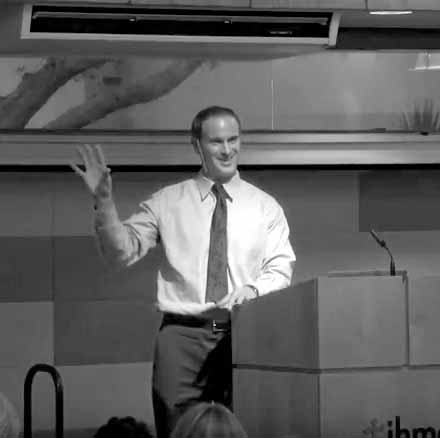
Helping You Age Better
I've organized everything I offer around five core areas. You probably need help in more than one of these areas - most people do. The good news is if you improve in one area, you are likely to see improvements in other areas.

More Energy & Better Metabolism
You want to wake up ready to go, not drag through the day. This is about optimizing how your body processes food and fuel. Better metabolism means better energy, easier weight control, and stronger physical performance.
Purpose & Peace of Mind
Physical health is part of the equation. So is feeling like you're in control of your future, living with purpose, and knowing you're doing the right things at the right times.
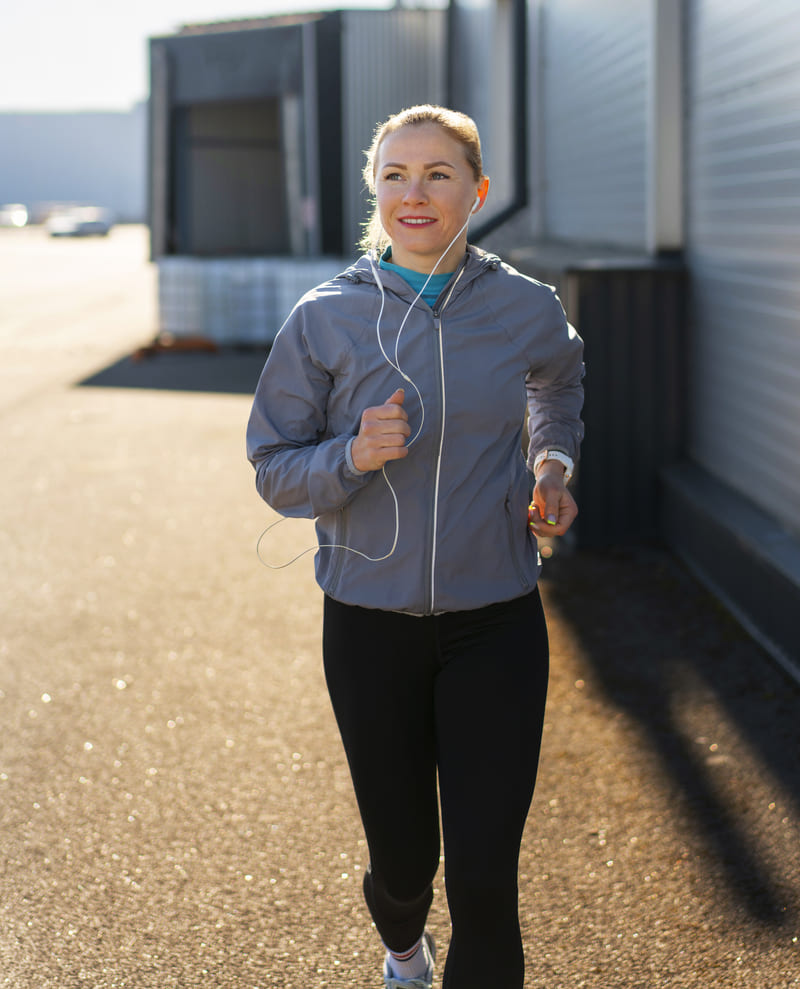
Stay Strong & Move Without Pain
Maintaining muscle, balance, and mobility is what allows you to live a full life and stay independent as you age. Whether it’s hiking, skiing, playing with your kids (or grandkids) or just moving through your day without stiffness - this matters.
Recovery & Physical Resilience
Your body needs proper recovery to stay healthy. This includes good quality sleep, stress management, and movement strategies that help you bounce back faster.
Brain Health & Sharp Thinking
Protecting your brain and maintaining your mental clarity as you age isn't something that happens by accident. It requires specific nutrition, sleep habits, movement, and lifestyle strategies specific to brain health. I'll show you exactly what works.
How I Help You Age Better
I've organized everything I offer around five core areas. You probably need help in more than one of these areas - most people do. The good news is if you improve in one area, you are likely to see improvements in other areas.
More Energy & Better Metabolism
You want to wake up ready to go, not drag through the day. This is about optimizing how your body processes food and fuel. Better metabolism means better energy, easier weight control, and stronger physical performance.
Brain Health & Sharp Thinking
Protecting your brain and maintaining your mental clarity as you age isn't something that happens by accident. It requires specific nutrition, sleep habits, movement, and lifestyle strategies specific to brain health. I'll show you exactly what works.
Stay Strong & Move Without Pain
Maintaining muscle, balance, and mobility is what allows you to live a full life and stay independent as you age. Whether it’s hiking, skiing, playing with your kids (or grandkids) or just moving through your day without stiffness - this matters.
Recovery & Physical Resilience
Your body needs proper recovery to stay healthy. This includes good quality sleep, stress management, and movement strategies that help you bounce back faster.
Purpose & Peace of Mind
Physical health is part of the equation. So is feeling like you're in control of your future, living with purpose, and knowing you're doing the right things at the right times.
Resources

90-Day Optimal Wellness Accountability Program
Best for: People who want daily guidance and accountability to implement real change
A 90-day email and text series that walks you through the four pillars of the Optimal Wellness Book. You get daily education, actionable steps, and accountability built in. Simple to understand and easy to implement daily strategies that move you toward optimal wellness.
Healthy Aging Mastery Program
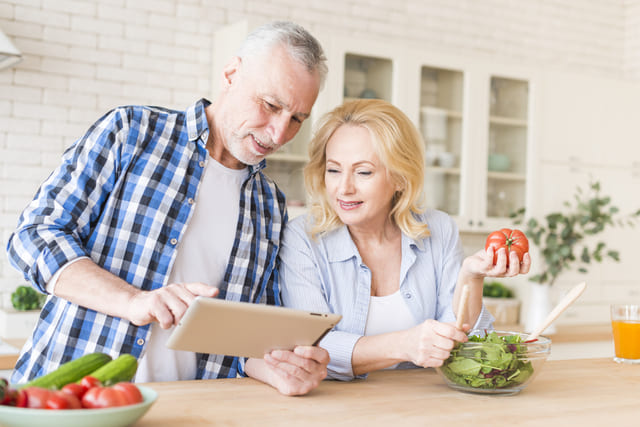
Best for: People ready for a comprehensive, fully customized approach
A complete online course with meal plans tailored to your actual preferences. You answer questions about your likes, dislikes, and goals, then the program builds itself around you. No generic meal plans. Everything fits your life.
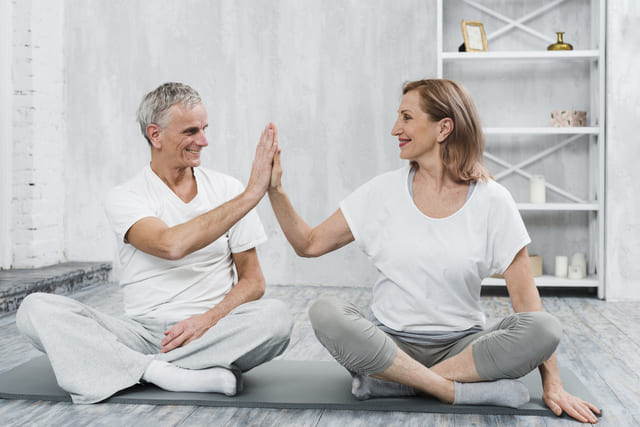
Personalized Coaching for Healthy Aging
Best for: People who want direct guidance and strategy customized to their specific situation
Work one-on-one with me or one of my team members to develop a personalized healthy aging strategy. We focus on your goals, challenges, and what actually works for your life, not a one-size-fits-all approach.
Ready to Get Started?
See all services and find the right fit for you.
Recent Blogs
7 Surprising Benefits of Backward Walking: Why You Should Give it a Try
Walking is one of the simplest and most accessible forms of exercise, but have you ever considered walking backward?
While it might seem odd at first, backward walking, also known as retro-walking or reverse walking, has been gaining popularity as an effective and unique way to stay fit and improve overall health.
In this blog, I will explore the surprising benefits of backward walking and why you should give it a try.
Table of Contents
History of Backward Walking
Backward walking, a practice rooted in ancient traditions, has been rediscovered and lauded for its remarkable impact on both the mind and body.
Backward walking is not a new concept; it has roots in ancient practices such as Tai Chi and Qigong. In these traditional Chinese exercises, backward walking is used to improve balance, coordination, and mindfulness.
Throughout history, various cultures have integrated backward walking into their fitness routines for different reasons, making it a time-tested approach to exercise.
7 Benefits of Backward Walking
Improved Balance and Coordination
Backward walking engages different muscle groups and challenges your sense of balance and coordination. By walking in reverse, you force your brain to activate distinct neural pathways and strengthen your proprioception – your ability to perceive the position and movement of your body in space. This increased spatial awareness can have positive effects on your overall balance and stability.
In a study involving 33 healthy individuals, backward walking (compared to forward walking) had positive effects on gait and balance ability and can minimize the burden or strain placed on joints and increase lower limb muscle strength.
Overall, studies indicate that backwards walking has a positive influence on walking function improvement among patients after stroke.
Enhanced Cardiovascular Function
Backward walking requires more effort than forward walking due to the unnatural motion, resulting in an increased heart rate and improved cardiovascular fitness. It provides an excellent low-impact cardio workout without putting excessive strain on your joints, making it a suitable option for people of all ages and fitness levels.
For example, backwards walking on a treadmill for thirty minutes three times a week for four weeks increased balance, walking speed, and cardiopulmonary fitness in post-stroke patients.
Another study found that the addition of 30 min of backwards walking for stroke rehabilitation resulted in greater improvements in both forward and backward walking speed compared to a standard balance program.6
Stronger Muscles
Unlike forward walking, backward walking targets different muscles. The quadriceps, hamstrings, and glutes are more engaged during backwards-walking, which can lead to increased muscle strength and tone in these areas.
For example, in a six-week study conducted on individuals with knee osteoarthritis, the participants in the backwards walking group had greater improvements in muscle strength, and greater reductions in pain intensity and functional disability, compared to the forward walking group.7
Additionally, the core muscles play a significant role in maintaining stability during backward walking, thus contributing to improved abdominal strength.
Reduced Joint Impact
For individuals with joint issues or those who want to give their joints a break, backward walking can be a fantastic alternative to high-impact exercises. It puts less strain on the knees and ankles because when you walk backwards weight is transferred from the ball of the foot to the heal. This make it a safer option for those recovering from injuries or suffering from conditions such as arthritis.
Backwards walking can also help to reduce stiffness in the joints, increase flexibility, and enhance proprioception.
Combat Negative Effects of Prolonged Sitting
Yet another reason to incorporate backwards walking is to combat some of the negative effects of prolonged sitting on our hip flexors and lower back. Almost all of us sit too much these days, and when we sit too long our hip flexors start to become shorter and weaker. This can cause an anterior pelvic tilt, which puts a strain on the muscles in the lower back and leads many people to conclude that they are getting older or that they have bad backs.
The good news is that in most cases, this is not true. And the really good news is that backwards walking can help unravel the negative effects of prolonged sitting on our hip flexors, pelvic floor, and lower back.
If you are someone whose job demands that you sit or even stand for long periods of time, then it is highly recommended that you incorporate backwards walking into your lifestyle.
Improve Brain Health
All studies mentioned above point to beneficial effects of engaging in backwards walking to improve physical function. But backwards walking appears to benefit the brain just as much as the body!
Backward walking requires focus and concentration, as it goes against our natural walking habits. The act of walking in reverse requires greater attention, coordination, and concentration, activating the prefrontal and sensorimotor cortex, hippocampus, and cerebellum. This, in turn, enhances brain plasticity and promotes cognitive abilities.
Furthermore, backwards walking has been shown to increase blood flow to the brain. This increased blood flow delivers oxygen and vital nutrients, optimizing brain function.
Not surprisingly, regular backwards walking has been linked to improved memory, attention, and executive function, making it an excellent exercise for middle-aged and older adults looking to maintain or enhance their cognitive abilities.
Versatility of Backward Walking
One of the best aspects of backward walking is its flexibility. It does not require any special tools or equipment, so you can do it virtually anywhere – on a treadmill, a track, in a park, or even at home. It can be incorporated into your daily routine, serving as an additional form of exercise or as a warm-up before other physical activities.
Proper Form and Technique
Mastering the proper form and technique for backwards walking is essential to reap the maximum benefits of this unique exercise.
Whether you are using backwards walking for rehabilitation and physical therapy, improving joint mobility and preventing falls, or enhancing brain function and cognitive abilities, understanding the correct way to perform this exercise is vital.
Prioritize Posture
One of the most significant mistakes to avoid is improper posture. When walking backwards, it is crucial to maintain an upright posture with your spine aligned and shoulders relaxed. Avoid hunching forward or slouching, as this can strain your back and neck muscles. Engaging your core muscles and keeping your head up will help you maintain proper posture and prevent unnecessary strain.
Focus on Small Steps
Another mistake to watch out for is taking overly long strides. While it may seem intuitive to take longer steps for a more efficient walk, this can actually increase the risk of injury, especially for seniors. Instead, focus on taking smaller steps and concentrating on your foot placement. The ball of the foot should strike first followed by the heal. This rolling motion helps to distribute the impact evenly throughout the body and promotes fluid movement.
Let Your Arms Swing
Arm swing also play an important role in backwards walking. Let your arms swing naturally in sync with your legs, but avoid excessive swinging or crossing them in front of your body. This coordinated arm movement helps to maintain balance and rhythm while walking backwards.
How to Start Backward Walking
Pace Yourself
As with any exercise, it is important to start slowly and gradually increase the intensity and duration. Begin with short walks and gradually extend the distance as your body adapts to the new movement pattern. Listen to your body and take breaks if necessary, especially if you experience any discomfort or pain.
Use Proper Footwear
Footwear is also an important consideration. If possible, I recommend walking in zero-drop shoes, as these will allow for the full range of motion and gently stretch your calf and hamstring on each backwards step. If you prefer to walk barefoot, then walking inside and/or on grass is also a good option to consider.
Regular shoes padded shoes can also work for backwards walking, just be sure to make sure the insoles are in good shape. The stretch will not be as good as with the zero drop shoes but the exercise will still provide many benefits.
Best Places for Backward Walking
Choose a safe and suitable environment: Select a smooth and flat surface for your backwards walking sessions to minimize the risk of tripping or stumbling. Avoid uneven terrain, slippery surfaces, or areas with obstacles that could pose a hazard. A track, gymnasium, or a clear path in a park would be ideal locations. It is advisable to have a partner or spotter when starting out to provide additional support and assistance.
Another great option to begin backwards walking is a therapy pool or regular pool. The water is as safe an environment as you can get and at the same time provides some natural resistance with each step.
Backward Walking Products
Outdoor Products
If you live on a street that is not too busy and are willing to invest some dollars, I highly recommend purchasing a push resistance sled and pulling it backwards on the road. The brand called the “Tank” is my favorite as the sled has wheels and you can manually adjust the resistance to your desired level.
The added resistance can really strengthen the joints, tendons, and facia of the body as you move backwards. This will take your backwards walking to a whole other level, and is great for the joints and muscles. For extra benefit, I recommend pulling the sled backwards up a hill if you have one close by.
Of course, this may not be possible for everyone if you do not live near a hill and/or do not have a Tank. Or you may be someone who simply prefers to exercise indoors.
Indoor Products
For these reasons, I highly recommend to consider trying the brand new and patent-pending self-propelled treadmill (Coupon Code: DRANTON) created by Ben Patrick and his ATG team.
This machine can simulate walking uphill and can be used indoors while watching television or talking on the phone. It does not take up much space and thus can be a convenient method to get in backwards walking daily.
Backward Walking Final Thoughts
Backward walking is more than just a novel exercise; it is a mind and body medicine that can transform the way we approach life. By creating new neurons in the brain, improving neuromuscular adaptation, and fostering a heightened state of present moment awareness, this ancient practice opens doors to personal growth and divine inspiration.
At present, there is much focus on getting steps in moving forward. But I believe that the results would be even amplified if the focus was on both forward and backward steps.
So, why not take a step back – literally – and explore the world of backward walking? Embrace this unique form of exercise and experience the surprising positive effects it can have on your physical and mental health.
Remember to start slowly, stay mindful of your surroundings, and enjoy the journey as you move backward towards a healthier you!
What the Research Actually Shows
I don't make health claims based on guessing. Everything I recommend is backed by clinical research, (studies conducted on real humans). Here's what decades of studies show:
On Intermittent Fasting and Eating Patterns:
Properly designed fasting protocols can improve metabolic health, support weight loss, and protect brain function. But there's a right way and a wrong way to do it.
On Metabolism as You Age:
Yes, metabolism typically slows with age, but it doesn’t have to change that much. Muscle mass, nutrition, meal timing, and movement patterns can all help you maintain a healthy metabolism as you age. You have more control than you think.
On Brain Health and Aging:
Your lifestyle choices, including sleep, nutrition, movement, brain training, and stress management, directly impact your risk of cognitive decline. Protecting your brain health is one of the most important things you can do, and it’s never too soon to start.
On Staying Strong and Independent:
Resistance training, proper nutrition, and recovery aren't optional as you get older. They are the key factors that determine if you stay strong and resilient as you age or not. It's not too late to start.
Individual results vary, but these principles are consistently supported across large clinical trials and long-term studies.
What People Say After Working With Me
I followed the Mastery Program for 90 days and lost 18 pounds without feeling deprived. More importantly, my energy is back. I feel like myself again.
Name, Age
The strategies are simple but effective. I'm sleeping better, my brain fog is gone, and I've actually gained muscle mass. This isn't complicated diet talk.
Name, Age
Stephen's research background means everything is evidence-based, but he explains it in a way that makes sense. No fluff, no marketing hype.
Name, Age
This Filters Leads and Increases Conversions.
This is for You if You:
Want science, not trends.
Are willing to make small, consistent changes.
Care about long-term strength and independence.
This isn’t for You if You:
Want rapid, extreme results
Prefer shortcuts over understanding
Aren’t ready to change daily habits
Weekly Science, No Hype
Every week, I share practical health strategies grounded in research—not marketing hype. You'll get clear, actionable insights on healthy aging, metabolism, brain health, and staying strong as you get older.
Subscribe to the newsletter and receive my Optimal Wellness booklet free.
Subscribe to the Newsletter and Get The Optimal Wellness Booklet Free
About
Stephen Anton PhD in Clinical and Health Psychology, University of Florida 25+ years researching longevity and healthy aging. Published in NEJM, JAMA, American Journal of Clinical Nutrition, and more. Recognized expert in intermittent fasting, metabolism, and cardiovascular health
© Copyright 2026 | All Rights Reserved Dr. Stephen Anton | Terms & Conditions
This information is for educational purposes only and is not a substitute for personalized medical advice. Please consult your physician before making changes to your health routine.