
Age Better. Stay Strong. Keep Your Mind Sharp.
You don't have to accept the energy loss, weight gain, and mental fog that many people assume come with aging. I help adults in their 40s, 50s, 60s, and 70s and beyond restore their energy, maintain their strength, and support long-term brain health through evidence-based nutrition, lifestyle changes, and practical recovery approaches that fit real life.

Age Better. Stay Strong. Keep Your Mind Sharp.
You don't have to accept the energy loss, weight gain, and mental fog that people assume come with aging. I help adults in their 40s, 50s, 60s, and 70s feel more energetic, stay strong, and protect their brain health using evidence-based nutrition, lifestyle changes, and recovery strategies that work in the real world.






The Outcome That Matters Most: Getting Your Life Back.
Not a different life. Not someone else's life. Their life.
The energy they remember having. The ability to move without pain. Clear thinking. The confidence that they're not on a downward slide.
That's what keeps people committed to the process. They stick with it because it works.
And here's what happens:
Most people notice more energy within 3–4 weeks. Around 6–8 weeks, clothes begin fitting differently. Sleep improves. Brain fog lifts. They start feeling like themselves again.
Just as important, they understand why these changes happen. They can see the connection between what they're doing and how they feel. They trust the process because it's grounded in rigorous research and human biology—not opinions, trends, or influencer hype.
That understanding changes everything.
It’s what turns short-term progress into lasting results.
The Foundation:
I've spent 25+ years researching how to slow biological aging and keep people strong and sharp as they get older. My work has been published in the New England Journal of Medicine, JAMA, and the American Journal of Clinical Nutrition. But what really matters is translating these scientific discoveries into practical strategies that work for real people, strategies you can use right now, at home, at work, in your daily life.
This is science translated into daily decisions that compound over time.

What's Really Motivating You To Change?
You're probably tired of:
Waking up without energy or hitting an afternoon slump
Struggling with weight gain despite eating “healthy”
Brain fog and difficulty focusing
Joint pain and stiffness that makes you avoid exercise
Fear that you're losing your strength and independence
Conflicting health advice everywhere you look
Poor sleep and slow recovery
The real problem:
You don't need another fad diet or wellness gimmick. You need a clear, science-backed approach that respects your intelligence and actually fits your life.
That's where I come in.
Popular Blogs
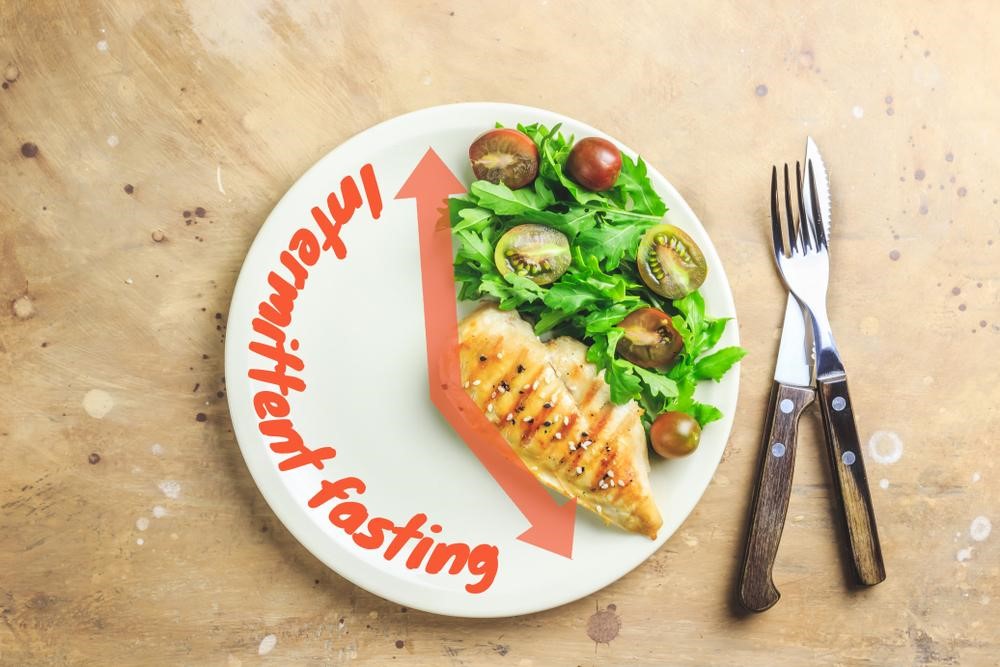
Getting Started with Intermittent Fasting
Unlocking the Power of Intermittent Fasting: A Beginner’s Guide
In the quest for better health, weight loss, and overall well-being, many have turned to various dietary strategies. Among these, intermittent fasting (IF) has emerged as a powerful and popular approach. But what exactly is intermittent fasting, and how can you harness its benefits? This beginner’s guide will help you unlock the power of intermittent fasting.
Table of Contents
Unlocking the Power of Intermittent Fasting: A Beginner’s Guide
The Benefits of Intermittent Fasting
What is Intermittent Fasting?
Intermittent fasting isn’t about what you eat; it’s about when you eat. It involves cycling between periods of eating and fasting. Unlike traditional diets that restrict calories and food types, IF focuses on the timing of meals. The most common methods include:
16/8 Method: Fast for 16 hours and eat during an 8-hour window. This method is popular due to its simplicity and flexibility, allowing you to fit your eating window around your lifestyle.
5:2 Diet: Eat normally for five days and restrict calories to 500-600 for two non-consecutive days. This approach can be easier for those who find daily fasting challenging.
Eat-Stop-Eat: Fast for 24 hours once or twice a week. This method involves a complete 24-hour fast, which can be tough initially but can yield significant benefits.
Alternate-Day Fasting: Alternate between normal eating days and fasting days. On fasting days, some people consume a very small amount of calories (about 500) instead of complete fasting.
The Benefits of Intermittent Fasting
Weight Loss and Fat Loss: By reducing the eating window, IF helps decrease calorie intake. The body also shifts to burning stored fat for energy during the fasting periods. Studies have shown that intermittent fasting can boost metabolic rate by increasing levels of norepinephrine, a hormone that enhances fat burning.
Improved Metabolic Health: IF can enhance insulin sensitivity, lower blood sugar levels, and reduce inflammation, which are crucial for metabolic health. It helps regulate blood glucose levels and reduces the risk of type 2 diabetes.
Heart Health: Intermittent fasting can reduce risk factors for heart disease, including cholesterol levels, blood pressure, and inflammatory markers. Improved cholesterol profiles and reduced blood pressure can significantly lower the risk of cardiovascular diseases.
Brain Health: Studies suggest that IF can support brain health by reducing oxidative stress, inflammation, and promoting the growth of new neurons. It may also protect against neurodegenerative diseases such as Alzheimer’s and Parkinson’s.
Longevity: Animal studies have shown that intermittent fasting can extend lifespan. While more research is needed in humans, the initial findings are promising. The potential longevity benefits are thought to be linked to improved metabolic health and reduced oxidative stress.
Getting Started with Intermittent Fasting
Choose Your Method: Select a fasting method that fits your lifestyle. Beginners often find the 16/8 method the easiest to start with. Consider your daily schedule, social commitments, and personal preferences when choosing a method.
Stay Hydrated: Drink plenty of water, herbal teas, and other non-caloric beverages during your fasting period to stay hydrated. Staying hydrated can help manage hunger and improve overall well-being.
Ease Into It: If you’re new to fasting, start with shorter fasting periods and gradually increase them as your body adjusts. For instance, you can start with a 12-hour fast and gradually work your way up to a 16-hour fast.
Listen to Your Body: Pay attention to how your body responds. It’s normal to feel hungry at first, but if you experience dizziness, fatigue, or other severe symptoms, adjust your approach. Everyone’s body is different, and it’s important to find what works best for you.
Maintain Nutrient-Dense Eating: During your eating windows, focus on whole, nutrient-dense foods to ensure you’re getting the necessary vitamins and minerals. Incorporate a balanced mix of proteins, healthy fats, and complex carbohydrates.
Tips for Success
Consistency: Like any lifestyle change, consistency is key. Stick to your chosen fasting method for several weeks to see the benefits. Keep track of your progress and adjust as needed.
Stay Active: Incorporate regular exercise into your routine. It can help enhance the benefits of intermittent fasting. Activities like walking, yoga, and strength training can be particularly effective.
Seek Support: Join a community or find a fasting buddy to stay motivated and share experiences. Sharing your journey with others can provide valuable support and encouragement.
Be Mindful of Your Eating Window: Plan your meals and snacks ahead of time to ensure you’re making healthy choices during your eating window. Avoid processed foods and focus on whole, nutrient-dense options.
Potential Challenges
Hunger and Cravings: These are common, especially when starting. Gradually, your body will adapt to the new eating pattern. Drinking water and staying busy can help manage cravings.
Social Situations: Fasting can be challenging during social events. Plan ahead and communicate your goals with friends and family. Consider adjusting your fasting schedule to accommodate special occasions.
Medical Conditions: If you have any pre-existing medical conditions or are taking medication, consult with your healthcare provider before starting intermittent fasting. Certain conditions, such as diabetes or eating disorders, may require special consideration.
Conclusion
Intermittent fasting can be a powerful tool for improving your health and well-being. By understanding the basics and starting gradually, you can unlock its full potential. Remember, the best fasting method is the one that fits seamlessly into your lifestyle. So, take the first step, stay committed, and enjoy the journey to a healthier you.
Whether your goal is weight loss, improved metabolic health, or simply feeling better, intermittent fasting offers a flexible and effective approach. With the right mindset and support, you can harness the power of intermittent fasting and transform your health.

Helping You Age Better
I've organized everything I offer around five core areas. You probably need help in more than one of these areas - most people do. The good news is if you improve in one area, you are likely to see improvements in other areas.

More Energy & Better Metabolism
You want to wake up ready to go, not drag through the day. This is about optimizing how your body processes food and fuel. Better metabolism means better energy, easier weight control, and stronger physical performance.
Purpose & Peace of Mind
Physical health is part of the equation. So is feeling like you're in control of your future, living with purpose, and knowing you're doing the right things at the right times.

Stay Strong & Move Without Pain
Maintaining muscle, balance, and mobility is what allows you to live a full life and stay independent as you age. Whether it’s hiking, skiing, playing with your kids (or grandkids) or just moving through your day without stiffness - this matters.
Recovery & Physical Resilience
Your body needs proper recovery to stay healthy. This includes good quality sleep, stress management, and movement strategies that help you bounce back faster.
Brain Health & Sharp Thinking
Protecting your brain and maintaining your mental clarity as you age isn't something that happens by accident. It requires specific nutrition, sleep habits, movement, and lifestyle strategies specific to brain health. I'll show you exactly what works.
How I Help You Age Better
I've organized everything I offer around five core areas. You probably need help in more than one of these areas - most people do. The good news is if you improve in one area, you are likely to see improvements in other areas.
More Energy & Better Metabolism
You want to wake up ready to go, not drag through the day. This is about optimizing how your body processes food and fuel. Better metabolism means better energy, easier weight control, and stronger physical performance.
Brain Health & Sharp Thinking
Protecting your brain and maintaining your mental clarity as you age isn't something that happens by accident. It requires specific nutrition, sleep habits, movement, and lifestyle strategies specific to brain health. I'll show you exactly what works.
Stay Strong & Move Without Pain
Maintaining muscle, balance, and mobility is what allows you to live a full life and stay independent as you age. Whether it’s hiking, skiing, playing with your kids (or grandkids) or just moving through your day without stiffness - this matters.
Recovery & Physical Resilience
Your body needs proper recovery to stay healthy. This includes good quality sleep, stress management, and movement strategies that help you bounce back faster.
Purpose & Peace of Mind
Physical health is part of the equation. So is feeling like you're in control of your future, living with purpose, and knowing you're doing the right things at the right times.
Resources

90-Day Optimal Wellness Accountability Program
Best for: People who want daily guidance and accountability to implement real change
A 90-day email and text series that walks you through the four pillars of the Optimal Wellness Book. You get daily education, actionable steps, and accountability built in. Simple to understand and easy to implement daily strategies that move you toward optimal wellness.
Healthy Aging Mastery Program

Best for: People ready for a comprehensive, fully customized approach
A complete online course with meal plans tailored to your actual preferences. You answer questions about your likes, dislikes, and goals, then the program builds itself around you. No generic meal plans. Everything fits your life.

Personalized Coaching for Healthy Aging
Best for: People who want direct guidance and strategy customized to their specific situation
Work one-on-one with me or one of my team members to develop a personalized healthy aging strategy. We focus on your goals, challenges, and what actually works for your life, not a one-size-fits-all approach.
Ready to Get Started?
See all services and find the right fit for you.
Recent Blogs
Getting Started with Intermittent Fasting
Unlocking the Power of Intermittent Fasting: A Beginner’s Guide
In the quest for better health, weight loss, and overall well-being, many have turned to various dietary strategies. Among these, intermittent fasting (IF) has emerged as a powerful and popular approach. But what exactly is intermittent fasting, and how can you harness its benefits? This beginner’s guide will help you unlock the power of intermittent fasting.
Table of Contents
Unlocking the Power of Intermittent Fasting: A Beginner’s Guide
The Benefits of Intermittent Fasting
What is Intermittent Fasting?
Intermittent fasting isn’t about what you eat; it’s about when you eat. It involves cycling between periods of eating and fasting. Unlike traditional diets that restrict calories and food types, IF focuses on the timing of meals. The most common methods include:
16/8 Method: Fast for 16 hours and eat during an 8-hour window. This method is popular due to its simplicity and flexibility, allowing you to fit your eating window around your lifestyle.
5:2 Diet: Eat normally for five days and restrict calories to 500-600 for two non-consecutive days. This approach can be easier for those who find daily fasting challenging.
Eat-Stop-Eat: Fast for 24 hours once or twice a week. This method involves a complete 24-hour fast, which can be tough initially but can yield significant benefits.
Alternate-Day Fasting: Alternate between normal eating days and fasting days. On fasting days, some people consume a very small amount of calories (about 500) instead of complete fasting.
The Benefits of Intermittent Fasting
Weight Loss and Fat Loss: By reducing the eating window, IF helps decrease calorie intake. The body also shifts to burning stored fat for energy during the fasting periods. Studies have shown that intermittent fasting can boost metabolic rate by increasing levels of norepinephrine, a hormone that enhances fat burning.
Improved Metabolic Health: IF can enhance insulin sensitivity, lower blood sugar levels, and reduce inflammation, which are crucial for metabolic health. It helps regulate blood glucose levels and reduces the risk of type 2 diabetes.
Heart Health: Intermittent fasting can reduce risk factors for heart disease, including cholesterol levels, blood pressure, and inflammatory markers. Improved cholesterol profiles and reduced blood pressure can significantly lower the risk of cardiovascular diseases.
Brain Health: Studies suggest that IF can support brain health by reducing oxidative stress, inflammation, and promoting the growth of new neurons. It may also protect against neurodegenerative diseases such as Alzheimer’s and Parkinson’s.
Longevity: Animal studies have shown that intermittent fasting can extend lifespan. While more research is needed in humans, the initial findings are promising. The potential longevity benefits are thought to be linked to improved metabolic health and reduced oxidative stress.
Getting Started with Intermittent Fasting
Choose Your Method: Select a fasting method that fits your lifestyle. Beginners often find the 16/8 method the easiest to start with. Consider your daily schedule, social commitments, and personal preferences when choosing a method.
Stay Hydrated: Drink plenty of water, herbal teas, and other non-caloric beverages during your fasting period to stay hydrated. Staying hydrated can help manage hunger and improve overall well-being.
Ease Into It: If you’re new to fasting, start with shorter fasting periods and gradually increase them as your body adjusts. For instance, you can start with a 12-hour fast and gradually work your way up to a 16-hour fast.
Listen to Your Body: Pay attention to how your body responds. It’s normal to feel hungry at first, but if you experience dizziness, fatigue, or other severe symptoms, adjust your approach. Everyone’s body is different, and it’s important to find what works best for you.
Maintain Nutrient-Dense Eating: During your eating windows, focus on whole, nutrient-dense foods to ensure you’re getting the necessary vitamins and minerals. Incorporate a balanced mix of proteins, healthy fats, and complex carbohydrates.
Tips for Success
Consistency: Like any lifestyle change, consistency is key. Stick to your chosen fasting method for several weeks to see the benefits. Keep track of your progress and adjust as needed.
Stay Active: Incorporate regular exercise into your routine. It can help enhance the benefits of intermittent fasting. Activities like walking, yoga, and strength training can be particularly effective.
Seek Support: Join a community or find a fasting buddy to stay motivated and share experiences. Sharing your journey with others can provide valuable support and encouragement.
Be Mindful of Your Eating Window: Plan your meals and snacks ahead of time to ensure you’re making healthy choices during your eating window. Avoid processed foods and focus on whole, nutrient-dense options.
Potential Challenges
Hunger and Cravings: These are common, especially when starting. Gradually, your body will adapt to the new eating pattern. Drinking water and staying busy can help manage cravings.
Social Situations: Fasting can be challenging during social events. Plan ahead and communicate your goals with friends and family. Consider adjusting your fasting schedule to accommodate special occasions.
Medical Conditions: If you have any pre-existing medical conditions or are taking medication, consult with your healthcare provider before starting intermittent fasting. Certain conditions, such as diabetes or eating disorders, may require special consideration.
Conclusion
Intermittent fasting can be a powerful tool for improving your health and well-being. By understanding the basics and starting gradually, you can unlock its full potential. Remember, the best fasting method is the one that fits seamlessly into your lifestyle. So, take the first step, stay committed, and enjoy the journey to a healthier you.
Whether your goal is weight loss, improved metabolic health, or simply feeling better, intermittent fasting offers a flexible and effective approach. With the right mindset and support, you can harness the power of intermittent fasting and transform your health.
What the Research Actually Shows
I don't make health claims based on guessing. Everything I recommend is backed by clinical research, (studies conducted on real humans). Here's what decades of studies show:
On Intermittent Fasting and Eating Patterns:
Properly designed fasting protocols can improve metabolic health, support weight loss, and protect brain function. But there's a right way and a wrong way to do it.
On Metabolism as You Age:
Yes, metabolism typically slows with age, but it doesn’t have to change that much. Muscle mass, nutrition, meal timing, and movement patterns can all help you maintain a healthy metabolism as you age. You have more control than you think.
On Brain Health and Aging:
Your lifestyle choices, including sleep, nutrition, movement, brain training, and stress management, directly impact your risk of cognitive decline. Protecting your brain health is one of the most important things you can do, and it’s never too soon to start.
On Staying Strong and Independent:
Resistance training, proper nutrition, and recovery aren't optional as you get older. They are the key factors that determine if you stay strong and resilient as you age or not. It's not too late to start.
Individual results vary, but these principles are consistently supported across large clinical trials and long-term studies.
What People Say After Working With Me
I followed the Mastery Program for 90 days and lost 18 pounds without feeling deprived. More importantly, my energy is back. I feel like myself again.
Name, Age
The strategies are simple but effective. I'm sleeping better, my brain fog is gone, and I've actually gained muscle mass. This isn't complicated diet talk.
Name, Age
Stephen's research background means everything is evidence-based, but he explains it in a way that makes sense. No fluff, no marketing hype.
Name, Age
This Filters Leads and Increases Conversions.
This is for You if You:
Want science, not trends.
Are willing to make small, consistent changes.
Care about long-term strength and independence.
This isn’t for You if You:
Want rapid, extreme results
Prefer shortcuts over understanding
Aren’t ready to change daily habits
Weekly Science, No Hype
Every week, I share practical health strategies grounded in research—not marketing hype. You'll get clear, actionable insights on healthy aging, metabolism, brain health, and staying strong as you get older.
Subscribe to the newsletter and receive my Optimal Wellness booklet free.
Subscribe to the Newsletter and Get The Optimal Wellness Booklet Free
About
Stephen Anton PhD in Clinical and Health Psychology, University of Florida 25+ years researching longevity and healthy aging. Published in NEJM, JAMA, American Journal of Clinical Nutrition, and more. Recognized expert in intermittent fasting, metabolism, and cardiovascular health
© Copyright 2026 | All Rights Reserved Dr. Stephen Anton | Terms & Conditions
This information is for educational purposes only and is not a substitute for personalized medical advice. Please consult your physician before making changes to your health routine.