
Book a Consultation Call
Popular Blogs

Coffee and Autophagy: A Powerful Combination for Our Metabolism
Coffee is one of the most popular beverages in the world; it not only helps you feel more energized, burn fat and improve physical performance, but daily consumption lowers your risk of type 2 diabetes, heart failure, and certain types of cancer (1,2,3).
Even more exciting, a very large recent study revealed that individuals who drink at least 3–4 cups of coffee a day had a reduced risk of mortality, heart disease, cerebrovascular disease, and respiratory disease (4).
Coffee has also been associated with a reduced risk of metabolic syndrome and obesity.
Table of Contents
How Are Coffee and Autophagy Connected?
Why Does Coffee Enhance Autophagy?
How Are Coffee and Autophagy Connected?
There appears to be a common mechanism responsible for the many health benefits of coffee, unknown until recently.
And that mechanism is that coffee can greatly enhance the body’s waste removal process, also known as autophagy.
However, before discussing how coffee and its components work to stimulate metabolism and activate autophagy, let’s see how the process of autophagy works in the body.
What Is Autophagy?
In many ways, the body’s autophagy process resembles the process you use to take out the trash in the morning.
First, you put trash or waste in a trash bag, and when it is filled up you take it outside where it is eventually taken away.
In a very similar manner, your body traps waste products in little bags within your cells and then takes these waste bags into the bloodstream to be removed.
Why Is Autophagy Important?
Autophagy is critical to your health.
Indeed, one of the main reasons people become sick is related to low levels of autophagy: cells become full of waste products and the body becomes “toxic.”
When this happens, some sort of illness typically occurs that shuts down your appetite, so that your cells can use the extra energy available to remove wastes and create cleaner cells.
Why Does Coffee Enhance Autophagy?
First, there is only one type of coffee that can enhance autophagy, and that is black coffee, preferably organic or with as few pesticides as possible.
This is because any coffee that contains calories from cream, sugar, or butter, will stop the autophagy process (unless less than 10 calories) and shift the body from waste removal to the digestive process.
There are a number of mechanisms through which black coffee can enhance autophagy, but I believe the primary one is by activating and amplifying our body’s metabolic switch (5).
This is the natural switch our bodies use to produce energy from our body fat when energy from food is not available.
It is also known as the glucose to ketone switch.
How Does Coffee Enhance Autophagy?
Caffeine is probably the first thing that comes to mind when you think about coffee.
But coffee also contains antioxidants and other active substances that can impact your metabolic processes and protect you against disease.
Enhanced Fat Metabolism
Coffee’s unique compounds work together to increase fat metabolism (fat burning) and shift the body into a deeper state of fasting, marked by increased levels of ketones and autophagy.
First, coffee contains compounds called chlorogenic acids, which are major dietary polyphenols that work directly on the mitochondria (our cells’ powerhouse) to accelerate fat metabolism in the body (1).
For example, a study confirmed that daily intake of chlorogenic acids increased fat oxidation in healthy male adults after just 5 days (6).
So, when you combine the chlorogenic acids in coffee with the increase in fat metabolism from intermittent fasting, you create a powerful combination.
But the benefits do not stop there!
Coffee also contains other polyphenols and chlorogenic acids, which work together with caffeine to stimulate fat burning.
A few additional compounds, such as trigonelline, cafestol and kahweol have also been shown to activate fat metabolism, by affecting specific nutrient-sensing pathways and enzymes which play a role in cellular energy balance (7,8).
Hunger Deterrent
Now with all this activation of metabolism, one might think that drinking coffee would increase hunger levels while fasting, but almost everyone reports feeling less hungry.
This is due in large part to the increased ketones produced through fat burning and other unique compounds that work to reduce hunger, making coffee the perfect partner to intermittent fasting.
Autophagy and Coffee Conclusion
In summary, coffee has a number of impressive health benefits.
When consumed while fasting, coffee can help activate the body’s metabolic switch, enhancing our bodies’ health promoting process of autophagy.
So, feel free to drink up – just remember not to consume too late in the day as caffeine could affect sleep in caffeine-sensitive individuals.

What to Expect
Consultation calls are free: No sales pitch. No pressure. We'll talk about whether the 90-Day Accountability Program, the Mastery Program, or personalized coaching makes sense for your situation. If we're not a good fit, I'll tell you that too.
Response time: Usually within 2-3 business days. If you don't hear from me, check your spam folder.
Time zone: I'm based in Florida, but I work with people across the US and beyond. We'll figure out a time that works for both of us.
How I Help You Age Better
I've organized everything I offer around five core areas. You probably need help in more than one of these areas - most people do. The good news is if you improve in one area, you are likely to see improvements in other areas.

More Energy & Better Metabolism
You want to wake up ready to go, not drag through the day. This is about optimizing how your body processes food and fuel. Better metabolism means better energy, easier weight control, and stronger physical performance.
Brain Health & Sharp Thinking
Protecting your brain and maintaining your mental clarity as you age isn't something that happens by accident. It requires specific nutrition, sleep habits, movement, and lifestyle strategies specific to brain health. I'll show you exactly what works.
Stay Strong & Move Without Pain
Maintaining muscle, balance, and mobility is what allows you to live a full life and stay independent as you age. Whether it’s hiking, skiing, playing with your kids (or grandkids) or just moving through your day without stiffness - this matters.
Recovery & Physical Resilience
Your body needs proper recovery to stay healthy. This includes good quality sleep, stress management, and movement strategies that help you bounce back faster.
Purpose & Peace of Mind
Physical health is part of the equation. So is feeling like you're in control of your future, living with purpose, and knowing you're doing the right things at the right times.
How I Help You Age Better
I've organized everything I offer around five core areas. You probably need help in more than one of these areas - most people do. The good news is if you improve in one area, you are likely to see improvements in other areas.
Alpha Max Test 3D
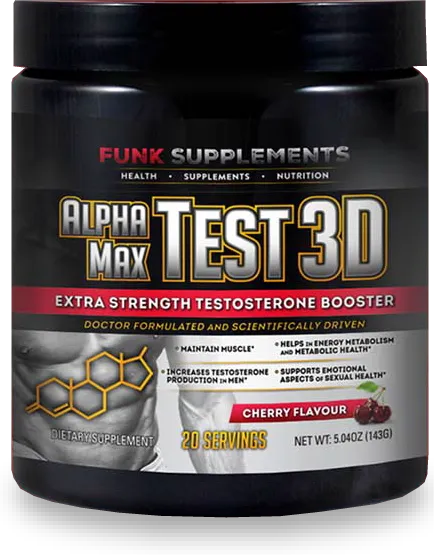
All-natural testosterone booster I formulated with the one and only Funk Roberts.
The Better Fit Mask
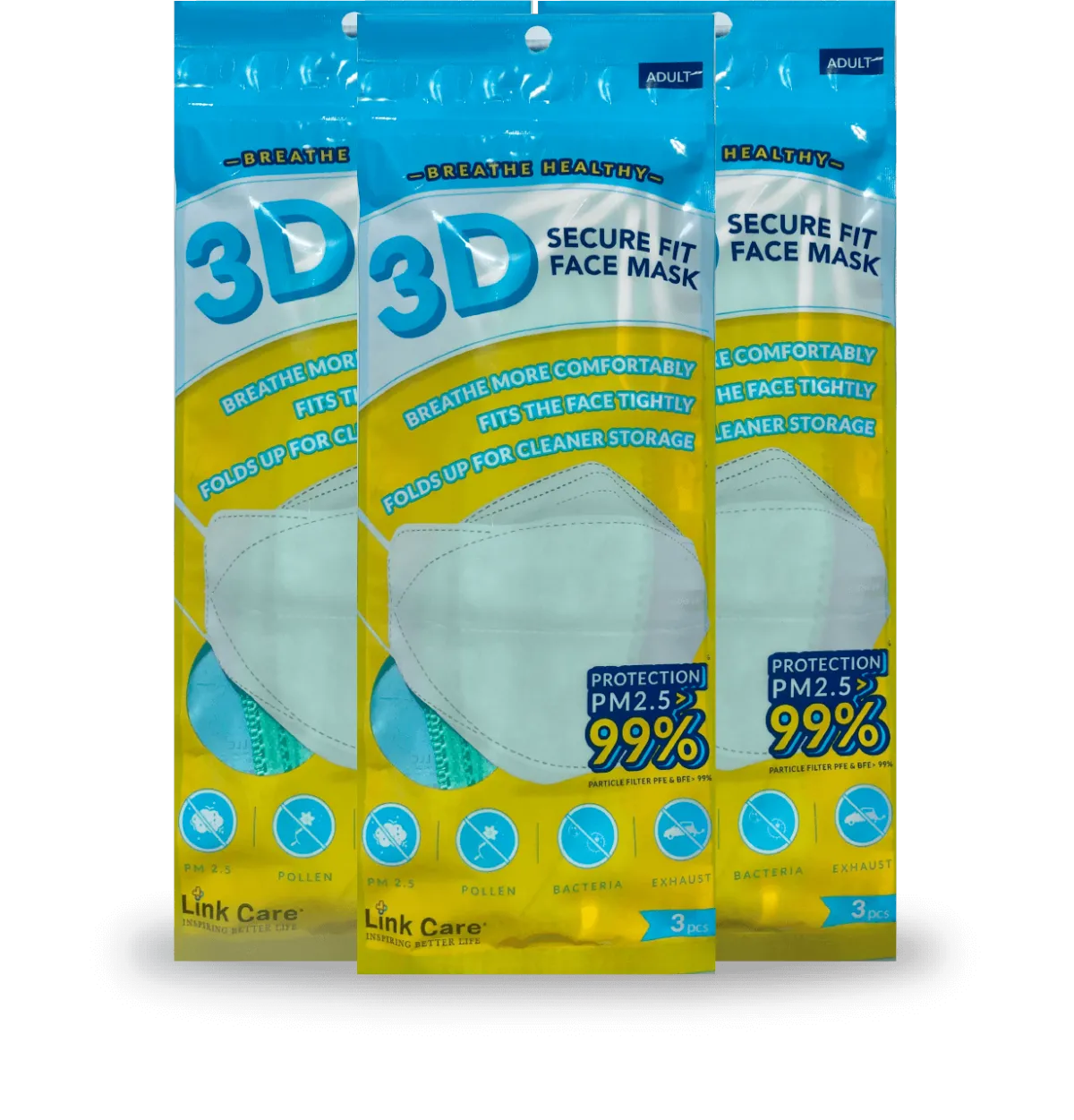
My preferred facemask for protection and comfort. Use code: DRANTON for 10% off.
Recent Blogs
Coffee and Autophagy: A Powerful Combination for Our Metabolism
Coffee is one of the most popular beverages in the world; it not only helps you feel more energized, burn fat and improve physical performance, but daily consumption lowers your risk of type 2 diabetes, heart failure, and certain types of cancer (1,2,3).
Even more exciting, a very large recent study revealed that individuals who drink at least 3–4 cups of coffee a day had a reduced risk of mortality, heart disease, cerebrovascular disease, and respiratory disease (4).
Coffee has also been associated with a reduced risk of metabolic syndrome and obesity.
Table of Contents
How Are Coffee and Autophagy Connected?
Why Does Coffee Enhance Autophagy?
How Are Coffee and Autophagy Connected?
There appears to be a common mechanism responsible for the many health benefits of coffee, unknown until recently.
And that mechanism is that coffee can greatly enhance the body’s waste removal process, also known as autophagy.
However, before discussing how coffee and its components work to stimulate metabolism and activate autophagy, let’s see how the process of autophagy works in the body.
What Is Autophagy?
In many ways, the body’s autophagy process resembles the process you use to take out the trash in the morning.
First, you put trash or waste in a trash bag, and when it is filled up you take it outside where it is eventually taken away.
In a very similar manner, your body traps waste products in little bags within your cells and then takes these waste bags into the bloodstream to be removed.
Why Is Autophagy Important?
Autophagy is critical to your health.
Indeed, one of the main reasons people become sick is related to low levels of autophagy: cells become full of waste products and the body becomes “toxic.”
When this happens, some sort of illness typically occurs that shuts down your appetite, so that your cells can use the extra energy available to remove wastes and create cleaner cells.
Why Does Coffee Enhance Autophagy?
First, there is only one type of coffee that can enhance autophagy, and that is black coffee, preferably organic or with as few pesticides as possible.
This is because any coffee that contains calories from cream, sugar, or butter, will stop the autophagy process (unless less than 10 calories) and shift the body from waste removal to the digestive process.
There are a number of mechanisms through which black coffee can enhance autophagy, but I believe the primary one is by activating and amplifying our body’s metabolic switch (5).
This is the natural switch our bodies use to produce energy from our body fat when energy from food is not available.
It is also known as the glucose to ketone switch.
How Does Coffee Enhance Autophagy?
Caffeine is probably the first thing that comes to mind when you think about coffee.
But coffee also contains antioxidants and other active substances that can impact your metabolic processes and protect you against disease.
Enhanced Fat Metabolism
Coffee’s unique compounds work together to increase fat metabolism (fat burning) and shift the body into a deeper state of fasting, marked by increased levels of ketones and autophagy.
First, coffee contains compounds called chlorogenic acids, which are major dietary polyphenols that work directly on the mitochondria (our cells’ powerhouse) to accelerate fat metabolism in the body (1).
For example, a study confirmed that daily intake of chlorogenic acids increased fat oxidation in healthy male adults after just 5 days (6).
So, when you combine the chlorogenic acids in coffee with the increase in fat metabolism from intermittent fasting, you create a powerful combination.
But the benefits do not stop there!
Coffee also contains other polyphenols and chlorogenic acids, which work together with caffeine to stimulate fat burning.
A few additional compounds, such as trigonelline, cafestol and kahweol have also been shown to activate fat metabolism, by affecting specific nutrient-sensing pathways and enzymes which play a role in cellular energy balance (7,8).
Hunger Deterrent
Now with all this activation of metabolism, one might think that drinking coffee would increase hunger levels while fasting, but almost everyone reports feeling less hungry.
This is due in large part to the increased ketones produced through fat burning and other unique compounds that work to reduce hunger, making coffee the perfect partner to intermittent fasting.
Autophagy and Coffee Conclusion
In summary, coffee has a number of impressive health benefits.
When consumed while fasting, coffee can help activate the body’s metabolic switch, enhancing our bodies’ health promoting process of autophagy.
So, feel free to drink up – just remember not to consume too late in the day as caffeine could affect sleep in caffeine-sensitive individuals.
About
Stephen Anton PhD in Clinical and Health Psychology, University of Florida 25+ years researching longevity and healthy aging. Published in NEJM, JAMA, American Journal of Clinical Nutrition, and more. Recognized expert in intermittent fasting, metabolism, and cardiovascular health
© Copyright 2026 | All Rights Reserved Dr. Stephen Anton | Terms & Conditions
This information is for educational purposes only and is not a substitute for personalized medical advice. Please consult your physician before making changes to your health routine.