
Let's Talk About Your Health
There are a few ways to connect.
Contact Methods
Option 1: Complete The Form
Best for: Questions or Inquiries about my resources
Option 2: Email Me Directly
Best for: You have a question or want to inquire about speaking engagements [email protected]
Fair warning: I get a lot of emails. I try to respond within a few days, but email isn't always the fastest way to reach me. If you need a quick answer, the consultation calendar is usually faster.
Option 3: Press & Speaking Inquiries
Best for: Media inquiries, podcast appearances, or keynote speaking
If you're interested in having me speak at your organization, appear on your podcast, or discuss collaboration opportunities, let me know.
Best for: You're ready to discuss working together one-on-one
Book a time that works for you. We'll talk about your specific situation, what you're trying to achieve, and whether personalized coaching is the right fit.
Popular Blogs

6 Ways to Combat Low-Grade Inflammation and Reduce Aging
New research shows evidence that low-grade inflammation is causing an increase in morbidity, mortality, and the aging process.
Luckily, there have been several studies that showcase how different treatments can help with this chronic condition.
Table of Contents
What is Inflammation & What Does it Do?
The Two Different Types of Inflammation
Six Different Way’s to Combat Chronic Inflammation
1) Angiotensin II Receptor Blockers (ARBs)
2) Metformin
3) Omega 3s
4) Probiotic
5) Resveratrol
6) Vitamin D
Low-Grade Inflammation Conclusion
What is Inflammation & What Does it Do?
Let’s start by mentioning that inflammation is a vital part of your body’s immune response.
Without inflammation, your body would not be able to heal itself after injury, repair damaged tissue, or defend itself against foreign invaders (such as viruses and bacteria). Without inflammation, wounds would fester, and infections could become deadly.
Inflammation can also be problematic, though, and it plays a role in some chronic decisions.
The Two Different Types of Inflammation
Acute Inflammation
Often seen as the “good type of inflammation” since it is the body’s attempt to heal itself after an injury
Chronic Inflammation
Otherwise known as the “bad type of inflammation” since it has long-term effects
Whether acute or chronic, inflammation is the body’s natural response to a problem. It makes us aware of issues that we might not otherwise acknowledge without inflammation as a warning sign.
Six Different Way’s to Combat Chronic Inflammation
The latest research shows several ways to address chronic inflammation. Below are the prescription drugs or supplements that may have a positive effect on low-grade inflammation.
1) Angiotensin II Receptor Blockers (ARBs)
Angiotensin II is a very potent chemical formed in the blood that causes muscles surrounding blood vessels to contract, thereby narrowing the vessels. This narrowing increases the pressure within the vessels and can cause high blood pressure (hypertension).
How do Angiotensin II Receptor Blockers Work?
ARBs are medications that prevent angiotensin II from binding to muscles surrounding blood vessels. As a result, blood vessels enlarge (dilate), and blood pressure drops.
Reduced blood pressure makes it easier for the heart to pump blood, can improve heart failure, and slows the progression of kidney disease.
2) Metformin
Metformin is a type of medicine used to treat high blood sugar levels that are caused by a type of diabetes mellitus or sugar diabetes called type 2 diabetes. With this type of diabetes, insulin produced by the pancreas is not able to get sugar into the cells of the body where it can work properly.
Using metformin alone, with a type of oral antidiabetic medicine called a sulfonylurea, or with insulin, will help lower blood sugar when it is too high and help restore the way you use food to make energy.
Many people combine metformin with exercise and diet. Following a custom diet and exercise plan will always be important when you have diabetes, even when you are taking medicines.
To work well, you must balance the amount of metformin you take against the amount of food you eat, the type of food you eat, and the amount of exercise you do.
If you change your diet or exercise, you should test your blood sugar to find out if it drops to unsafe levels. Your doctor will teach you what to do if this happens.
3) Omega 3s
Omega-3 fatty acids, which we primarily get through eating fatty fish, have long been thought to be good for our health.
Many dietary studies have suggested that a high intake of Omega-3s is associated with a reduced risk of various disorders. Clinical trials have also shown beneficial anti-inflammatory effects in patients taking omega-3 supplements.
Recent research from NTNU supports previous discoveries and has also found new, useful effects of omega-3 supplements and how these lipids dampen harmful inflammatory reactions in the body.
4) Probiotic
In several studies, probiotics appear to lessen chronic low-grade inflammation, specifically this inflammatory marker C-reactive protein.
Now, what is very interesting is that it was not necessarily one probiotic. The probiotic used in each study was not the same. So, it seems that as a general class, probiotics tend to have the ability to reduce inflammation.
This is an important and encouraging finding. And I’ll quote the conclusion from the researches involved in this study:
“This meta-analysis suggests that probiotic administration may significantly reduce serum C-reactive protein.”
Again, C-reactive protein being a marker of inflammation that your doctor can easily run as a blood test.
5) Resveratrol
According to a new study, the plant extract resveratrol appears to suppress inflammation and fight aging in humans.
The most common food sources of resveratrol include the skin of red grapes, wine, peanuts, blueberries, and cranberries.
6) Vitamin D
Vitamin D is known to contribute to bone health by promoting the absorption of calcium.
In recent years, there’s been much attention placed on its possible immune and inflammatory benefits.
Low vitamin D levels have been associated with several diseases like asthma, cancer, diabetes, and arthritis.
Low-Grade Inflammation Conclusion
Our findings show that there is potential to significantly reduce inflammation in middle-aged and older adults by using ARBs, metformin, omega 3s, probiotics, resveratrol, and vitamin D.
Resveratrol and vitamin D, however, were not found to be effective in reducing markers of systemic inflammation in clinical trials conducted to date.
Ultimately, practical nutritional and pharmacological interventions targeting inflammation that are safe, affordable, and acceptable could represent new therapeutic opportunities toward the promotion of successful aging soon.
In specific, future studies should test if compounds that reduce systemic inflammation can avert the decline in mobility and physical function that typically occurs among older adults.

Not Sure Where to Start?
Start here: Get the Optimal Wellness Plan. It's free to low cost and walks you through the four pillars. You'll get a clear sense of what areas need attention and what your next step should be.
Prefer to Learn First?
Read the blog: Check out the latest articles on metabolism, brain health, aging, and staying strong. Get a feel for how I approach these topics.
Want to Stay Connected?
Subscribe to the newsletter: Every week, actionable strategies for aging well. No fluff, no hype. Just practical science-backed guidance.
How I Help You Age Better
I've organized everything I offer around five core areas. You probably need help in more than one of these areas - most people do. The good news is if you improve in one area, you are likely to see improvements in other areas.

More Energy & Better Metabolism
You want to wake up ready to go, not drag through the day. This is about optimizing how your body processes food and fuel. Better metabolism means better energy, easier weight control, and stronger physical performance.
Brain Health & Sharp Thinking
Protecting your brain and maintaining your mental clarity as you age isn't something that happens by accident. It requires specific nutrition, sleep habits, movement, and lifestyle strategies specific to brain health. I'll show you exactly what works.
Stay Strong & Move Without Pain
Maintaining muscle, balance, and mobility is what allows you to live a full life and stay independent as you age. Whether it’s hiking, skiing, playing with your kids (or grandkids) or just moving through your day without stiffness - this matters.
Recovery & Physical Resilience
Your body needs proper recovery to stay healthy. This includes good quality sleep, stress management, and movement strategies that help you bounce back faster.
Purpose & Peace of Mind
Physical health is part of the equation. So is feeling like you're in control of your future, living with purpose, and knowing you're doing the right things at the right times.
How I Help You Age Better
I've organized everything I offer around five core areas. You probably need help in more than one of these areas - most people do. The good news is if you improve in one area, you are likely to see improvements in other areas.
Alpha Max Test 3D
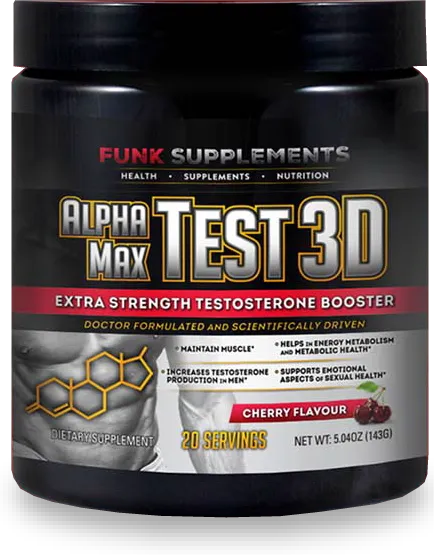
All-natural testosterone booster I formulated with the one and only Funk Roberts.
The Better Fit Mask
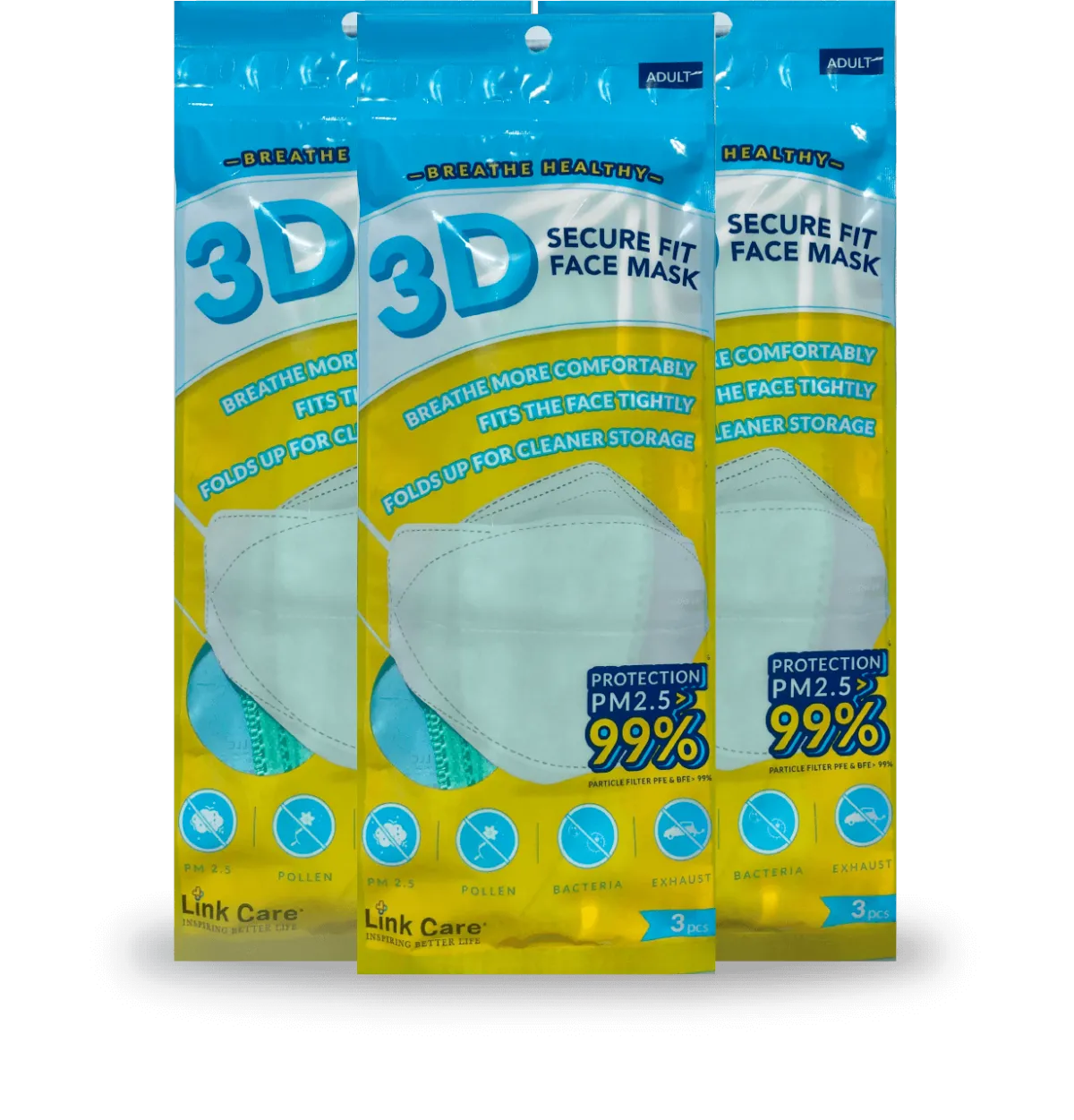
My preferred facemask for protection and comfort. Use code: DRANTON for 10% off.
Frequently Asked Questions
What if I have a quick question?
Not required, but recommended. The consultation helps me understand your specific situation so I can recommend the right program. Some people jump straight into the 90-Day Program or Mastery Program—that's fine too. Either way, just start with the services page.
What if I have a quick question?
Email me. I try to answer questions when I can, but I'm not a free advice hotline. If it's a complex question or requires a longer conversation, I'll suggest booking a consultation.
Will you work with someone from outside Florida?
Yes. Most of my clients are not in Florida. Everything is online unless you're local and we arrange something specific.
How long is a consultation?
Usually 30-45 minutes. We focus on understanding your goals, what's been challenging, and which approach might work best for you.
I'm interested in a partnership or collaboration. Who do I contact?
Email me directly with details about what you have in mind. If it's a good fit, we'll talk.
Recent Blogs
6 Ways to Combat Low-Grade Inflammation and Reduce Aging
New research shows evidence that low-grade inflammation is causing an increase in morbidity, mortality, and the aging process.
Luckily, there have been several studies that showcase how different treatments can help with this chronic condition.
Table of Contents
What is Inflammation & What Does it Do?
The Two Different Types of Inflammation
Six Different Way’s to Combat Chronic Inflammation
1) Angiotensin II Receptor Blockers (ARBs)
2) Metformin
3) Omega 3s
4) Probiotic
5) Resveratrol
6) Vitamin D
Low-Grade Inflammation Conclusion
What is Inflammation & What Does it Do?
Let’s start by mentioning that inflammation is a vital part of your body’s immune response.
Without inflammation, your body would not be able to heal itself after injury, repair damaged tissue, or defend itself against foreign invaders (such as viruses and bacteria). Without inflammation, wounds would fester, and infections could become deadly.
Inflammation can also be problematic, though, and it plays a role in some chronic decisions.
The Two Different Types of Inflammation
Acute Inflammation
Often seen as the “good type of inflammation” since it is the body’s attempt to heal itself after an injury
Chronic Inflammation
Otherwise known as the “bad type of inflammation” since it has long-term effects
Whether acute or chronic, inflammation is the body’s natural response to a problem. It makes us aware of issues that we might not otherwise acknowledge without inflammation as a warning sign.
Six Different Way’s to Combat Chronic Inflammation
The latest research shows several ways to address chronic inflammation. Below are the prescription drugs or supplements that may have a positive effect on low-grade inflammation.
1) Angiotensin II Receptor Blockers (ARBs)
Angiotensin II is a very potent chemical formed in the blood that causes muscles surrounding blood vessels to contract, thereby narrowing the vessels. This narrowing increases the pressure within the vessels and can cause high blood pressure (hypertension).
How do Angiotensin II Receptor Blockers Work?
ARBs are medications that prevent angiotensin II from binding to muscles surrounding blood vessels. As a result, blood vessels enlarge (dilate), and blood pressure drops.
Reduced blood pressure makes it easier for the heart to pump blood, can improve heart failure, and slows the progression of kidney disease.
2) Metformin
Metformin is a type of medicine used to treat high blood sugar levels that are caused by a type of diabetes mellitus or sugar diabetes called type 2 diabetes. With this type of diabetes, insulin produced by the pancreas is not able to get sugar into the cells of the body where it can work properly.
Using metformin alone, with a type of oral antidiabetic medicine called a sulfonylurea, or with insulin, will help lower blood sugar when it is too high and help restore the way you use food to make energy.
Many people combine metformin with exercise and diet. Following a custom diet and exercise plan will always be important when you have diabetes, even when you are taking medicines.
To work well, you must balance the amount of metformin you take against the amount of food you eat, the type of food you eat, and the amount of exercise you do.
If you change your diet or exercise, you should test your blood sugar to find out if it drops to unsafe levels. Your doctor will teach you what to do if this happens.
3) Omega 3s
Omega-3 fatty acids, which we primarily get through eating fatty fish, have long been thought to be good for our health.
Many dietary studies have suggested that a high intake of Omega-3s is associated with a reduced risk of various disorders. Clinical trials have also shown beneficial anti-inflammatory effects in patients taking omega-3 supplements.
Recent research from NTNU supports previous discoveries and has also found new, useful effects of omega-3 supplements and how these lipids dampen harmful inflammatory reactions in the body.
4) Probiotic
In several studies, probiotics appear to lessen chronic low-grade inflammation, specifically this inflammatory marker C-reactive protein.
Now, what is very interesting is that it was not necessarily one probiotic. The probiotic used in each study was not the same. So, it seems that as a general class, probiotics tend to have the ability to reduce inflammation.
This is an important and encouraging finding. And I’ll quote the conclusion from the researches involved in this study:
“This meta-analysis suggests that probiotic administration may significantly reduce serum C-reactive protein.”
Again, C-reactive protein being a marker of inflammation that your doctor can easily run as a blood test.
5) Resveratrol
According to a new study, the plant extract resveratrol appears to suppress inflammation and fight aging in humans.
The most common food sources of resveratrol include the skin of red grapes, wine, peanuts, blueberries, and cranberries.
6) Vitamin D
Vitamin D is known to contribute to bone health by promoting the absorption of calcium.
In recent years, there’s been much attention placed on its possible immune and inflammatory benefits.
Low vitamin D levels have been associated with several diseases like asthma, cancer, diabetes, and arthritis.
Low-Grade Inflammation Conclusion
Our findings show that there is potential to significantly reduce inflammation in middle-aged and older adults by using ARBs, metformin, omega 3s, probiotics, resveratrol, and vitamin D.
Resveratrol and vitamin D, however, were not found to be effective in reducing markers of systemic inflammation in clinical trials conducted to date.
Ultimately, practical nutritional and pharmacological interventions targeting inflammation that are safe, affordable, and acceptable could represent new therapeutic opportunities toward the promotion of successful aging soon.
In specific, future studies should test if compounds that reduce systemic inflammation can avert the decline in mobility and physical function that typically occurs among older adults.
About
Stephen Anton PhD in Clinical and Health Psychology, University of Florida 25+ years researching longevity and healthy aging. Published in NEJM, JAMA, American Journal of Clinical Nutrition, and more. Recognized expert in intermittent fasting, metabolism, and cardiovascular health
© Copyright 2026 | All Rights Reserved Dr. Stephen Anton | Terms & Conditions
This information is for educational purposes only and is not a substitute for personalized medical advice. Please consult your physician before making changes to your health routine.