
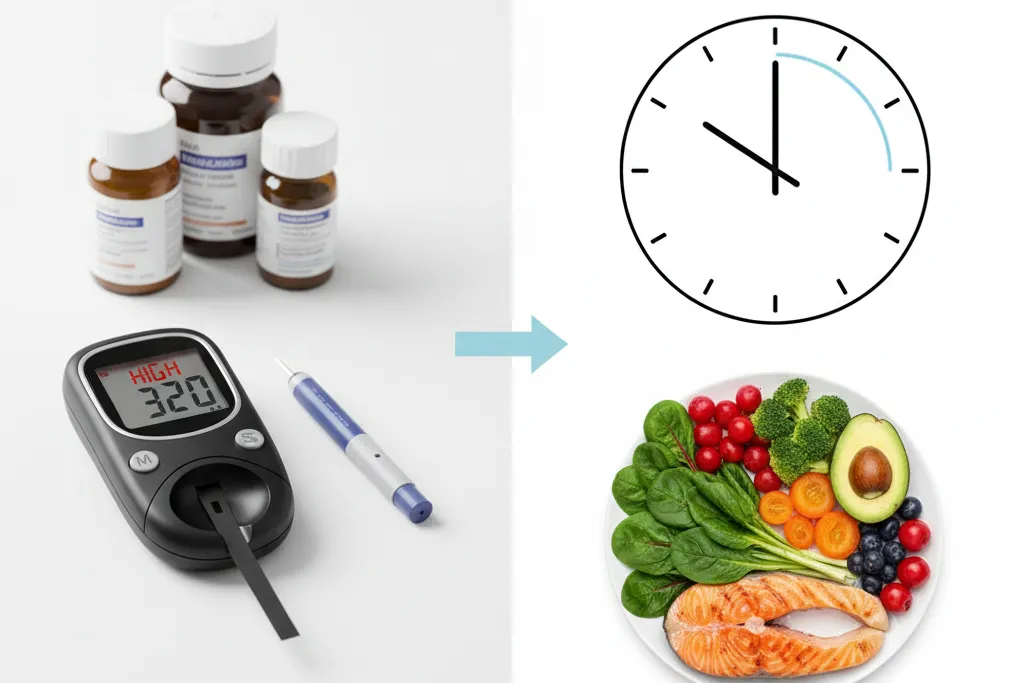
Can Intermittent Fasting Reverse Type 2 Diabetes? What Science Shows
Type 2 diabetes affects millions of people. Many take insulin or other medications every day. But what if changing when you eat could help? New research shows that intermittent fasting might help people with type 2 diabetes.
Dr. Stephen Anton studies how eating patterns affect our health. He has looked at exciting new research on intermittent fasting and diabetes. Let's see what the science says.
A Remarkable Case Study
In 2018, doctors published a study about three men with type 2 diabetes. All three had been taking insulin for many years. They tried a special type of fasting called alternate day fasting.
Here is what happened. The first man was 40 years old. He had diabetes for 20 years. The second man was 52 and had diabetes for 25 years. The third man was 67 and had diabetes for 10 years.
They all followed a fasting schedule. Most of them fasted three days per week. On fasting days, they only ate dinner. They did this for 7 to 11 months.
The results were amazing. The first man stopped needing insulin after just 5 days. The second man stopped after 18 days. The third man stopped after 13 days.
Think about that. These men had been taking insulin for years. Within days of starting intermittent fasting, they no longer needed it.
They also lost weight. Each man lost about 22 pounds. But here is the important part. They stopped needing insulin before they lost much weight. This means the fasting itself helped their blood sugar, not just the weight loss.
All three men said the fasting was relatively easy to follow. They stuck with it for many months. Their hemoglobin A1C levels dropped significantly. This is a blood test that shows how well diabetes is controlled.
What Does This Mean?
This study was small. It only looked at three people. We need much bigger studies to be sure these results apply to everyone. But the results are very promising.
Dr. Anton says this shows intermittent fasting has real potential as a treatment for type 2 diabetes. But he also says we need more research before doctors start prescribing it to everyone with diabetes.
How Does Fasting Help Diabetes?
To understand how fasting helps, we need to understand what happens in your body when you eat and when you fast.
When you eat, your blood sugar goes up. Your body releases insulin to bring the sugar down. If you eat all day long, your insulin is high all day long.
Over time, your cells stop responding well to insulin. This is called insulin resistance. Your body has to make more and more insulin to control your blood sugar. Eventually, you develop type 2 diabetes.
When you fast, something different happens. Your blood sugar stays low. Your insulin levels drop. Your body switches from burning sugar to burning fat.
This switch is very important. When you burn fat, your liver makes molecules called ketones. Your body can use these ketones for energy instead of sugar.
This metabolic switch gives your body a break from constantly dealing with high blood sugar and high insulin. It helps your cells become more sensitive to insulin again.
What Animal Studies Show
Scientists have also studied fasting in mice. These studies help us understand how fasting works.
In one study, mice were fed a diet that made them obese. Then some mice did alternate day fasting. They ate one day and fasted the next day.
The fasting mice ate the same total calories as the mice that ate every day. But the fasting mice weighed less. Their blood sugar control was much better.
After eating sugar, the fasting mice had lower blood sugar levels than the mice that ate every day. Their livers were also healthier.
Another study looked at mice that ate all their food in a short time window each day. They only fasted for 11 to 14 hours per day. This is similar to the 16:8 fasting that many people do.
These mice lived 11% longer than mice that could eat anytime. They also stayed healthier as they aged. They got diseases later in life.
The amazing thing is that what they ate did not matter as much as when they ate. Mice on different diets all benefited from eating in a time window.
The Metabolic Switch
Dr. Anton talks about something called the metabolic switch. This is when your body switches from using sugar for energy to using ketones.
This switch is very important for health. When you use ketones, your cells are under less stress. They make less waste. They can clean themselves out better through a process called autophagy.
Autophagy is when your cells remove damaged parts and waste products. This keeps your cells healthy. It helps repair your DNA. It reduces inflammation.
The problem is that most Americans never flip this switch. They eat from the time they wake up until they go to bed. Their blood sugar is high all day. They never make ketones.
Look at a typical American eating pattern. Breakfast at 7 AM. Snack at 10 AM. Lunch at noon. Snack at 3 PM. Dinner at 7 PM. Snack at 9 PM. Blood sugar goes up and down all day but never gets low enough to switch to ketones.
Now look at someone doing time restricted eating. They eat their first meal at noon. They eat their last meal at 6 PM. From 6 PM until noon the next day, they fast for 18 hours.
During those 18 hours, their blood sugar stays low. Their ketone levels rise. Their body switches fuels. Their cells get a chance to clean up and repair.
Different Types of Fasting
There are different ways to do intermittent fasting. Alternate day fasting means you fast every other day. On fasting days, you might eat just one small meal or nothing at all.
Time restricted eating means you eat all your food in a short window each day. For example, you might eat only between noon and 6 PM. That gives you an 18 hour fast every day.
Dr. Anton says time restricted eating is easier for most people to stick with. It becomes part of your daily routine. You do it every day, so it becomes a habit.
The Bigger Picture
Intermittent fasting does more than just help blood sugar. It affects your whole body in positive ways.
It reduces inflammation throughout your body. It improves your cholesterol levels. It helps your gut bacteria stay healthy. It might even help prevent cancer.
It also helps with weight loss. Not just because you eat less, but because your body becomes better at burning fat. Your metabolism becomes more flexible.
A flexible metabolism means your body is good at switching between burning sugar and burning fat. This is how our bodies are designed to work. But modern eating patterns keep us stuck in sugar-burning mode.
Important Cautions
If you have type 2 diabetes and take insulin or other medications, do not start fasting without talking to your doctor first. Fasting can make your blood sugar drop too low, which can be dangerous.
Your doctor can help you adjust your medications as you start fasting. They can monitor your blood sugar to make sure you stay safe.
The three men in the study were closely monitored by doctors. They did not do this on their own.
What You Can Do
If you want to try intermittent fasting to help with blood sugar or diabetes, here are some steps.
First, talk to your doctor. This is especially important if you take any medications.
Second, start slowly. Try pushing breakfast back by an hour. Or try stopping eating earlier in the evening. Gradually increase your fasting window.
Third, pay attention to how you feel. Check your blood sugar regularly if you have diabetes. Keep track of your energy levels and how you feel.
Fourth, focus on eating healthy foods during your eating window. Fasting is not an excuse to eat junk food. Eat vegetables, healthy proteins, and good fats.
Fifth, be patient. It takes time for your body to adapt to a new eating pattern. Give it at least a few weeks before you decide if it is working.
The Bottom Line
The research on intermittent fasting and type 2 diabetes is very promising. Some people have been able to stop taking insulin by changing when they eat.
Animal studies show that fasting improves blood sugar control and helps animals live longer and healthier lives.
The key seems to be flipping the metabolic switch. When you fast long enough for your body to start making ketones, good things happen. Your cells get healthier. Your insulin sensitivity improves. Your blood sugar comes down.
We need more large studies in humans. But the early results are exciting. Intermittent fasting might become an important tool for preventing and treating type 2 diabetes.
If you have diabetes or are at risk, talk to your doctor about whether intermittent fasting might help you. It could change your life.


