
Overcoming Barriers to Intermittent Fasting: A Guide to Sustainable Success
Intermittent fasting has gained popularity for its numerous health benefits, including weight loss, improved metabolism, and enhanced mental clarity.
Sticking to a fasting routine over the long term, however, can be challenging as there are a number of potential challenges to overcome to successfully adopt this habit.
If you have attempted to follow a fasting schedule recently or perhaps in the past but stopped due to barriers you encountered, this blog is written for you!
Let’s explore some common barriers that almost everyone encounters when adopting an intermittent fasting practice and potential strategies you can use to overcome these obstacles.
Social-Environmental Factors
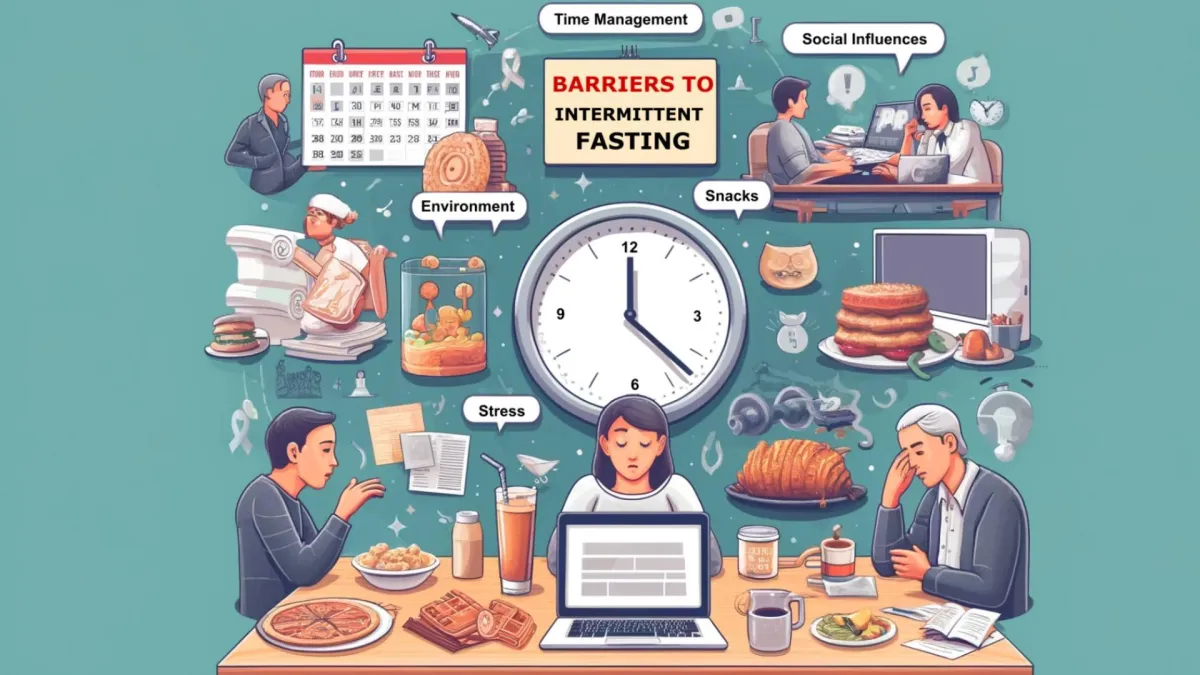
Social norms and the constant availability of food can make fasting difficult. Food is often a central part of social gatherings, making it hard to stick to your eating schedule. Family meals and traditions can also conflict with your fasting routine.
Strategies to Tackle Socio-Environmental Challenges
Navigating Social Events
Managing Family Influence
Psychological and Physical Factors
Stress and boredom are significant hurdles. Stress can lead to emotional eating, while boredom might trigger cravings and unplanned snacking. Additionally, managing hunger, especially in the initial stages of fasting, can be overwhelming as your body adjusts to the new eating pattern.
Handling Psychological and Physical Challenges
Additional Tips for Long-Term Success
Understanding Sustainability
Sustainability refers to maintaining a behavior or practice over the long term. It’s about creating habits and routines that are not only effective but also feasible and enjoyable. Your environment, mindset, and support system play crucial roles in your ability to sustain healthy habits.
Recap and Reflection
Embracing these strategies can help you overcome common barriers to intermittent fasting, making it a sustainable and effective part of your lifestyle. Remember, consistency and flexibility are key to long-term success, allowing you to enjoy the benefits of fasting while maintaining a balanced and enjoyable approach to eating.
By addressing these barriers with practical strategies, you are likely to be better able to follow a fasting routine. You may even find the practice of intermittent fasting or time-restricted eating to be a rewarding experience. Stay committed to your goals, and remember that making small, consistent changes can lead to lasting success.


