
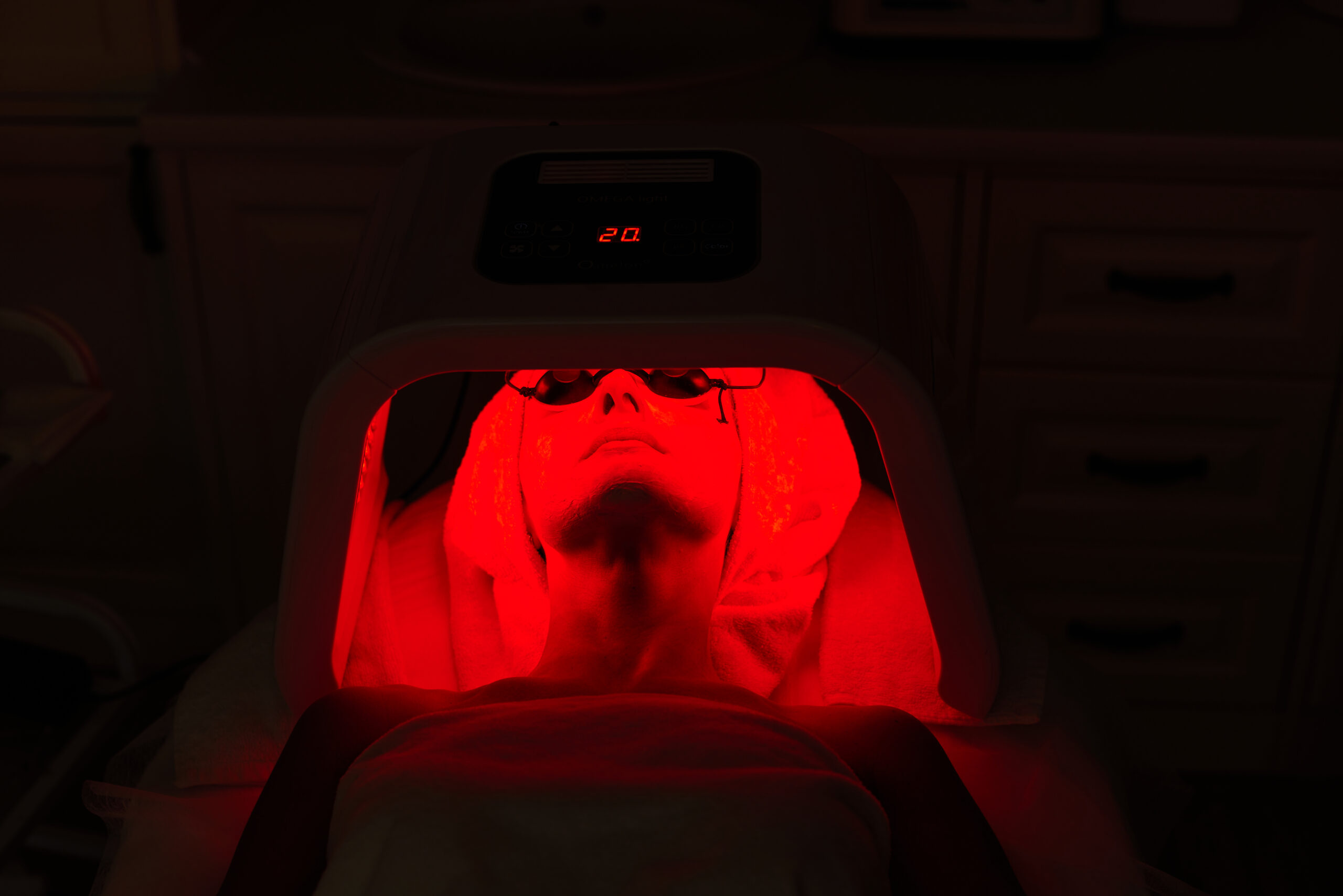
Unlocking the Potential of Red Light Therapy: Comprehensive Guide to Benefits and Uses
In the ever-evolving world of wellness and alternative medicine, Red Light Therapy stands out as a fascinating and increasingly popular treatment. This non-invasive therapy leverages the power of red and near-infrared light to promote healing, enhance skin health, and support overall well-being. If you’re curious about how red light therapy works and whether it might benefit you, read on for an in-depth exploration of its uses, benefits, and considerations.
What is Red Light Therapy?
Red light therapy involves exposing the skin to low levels of red or near-infrared light. The light is typically emitted from LEDs or lasers, and it penetrates the skin to reach deeper tissues without causing any harm. This light energy is absorbed by the mitochondria in cells, which boosts their production of adenosine triphosphate (ATP)—the energy currency of the cell. Increased ATP production can enhance cellular function, repair, and regeneration.
How Does Red Light Therapy Work?
Red light therapy utilizes specific wavelengths of light—typically between 600 and 900 nanometers—to penetrate the skin. The red light (600-650 nm) primarily targets the skin’s surface and the upper layers of tissue, while near-infrared light (750-900 nm) penetrates deeper into the body, reaching muscles, joints, and even bones.
When cells absorb this light, they experience increased mitochondrial activity, which leads to:
Enhanced Cellular Energy: Boosts ATP production, improving overall cellular function.
Reduced Inflammation: Helps to decrease inflammation by modulating the immune response.
Increased Blood Flow: Promotes better circulation, which supports healing and nutrient delivery.
Potential Benefits of Red Light Therapy
Skin Health and Anti-Aging
Red light therapy is renowned for its skin rejuvenation properties. By stimulating collagen production, Red Light Therapy can help reduce fine lines, wrinkles, and age spots. Collagen is a protein crucial for maintaining skin elasticity and firmness. Increased collagen production leads to smoother, more youthful-looking skin. Additionally, Red Light Therapy can improve skin texture and tone, making it a popular choice for those seeking non-surgical cosmetic enhancements.
Wound Healing and Tissue Repair
The therapy accelerates the body’s natural healing processes. By promoting cellular repair and reducing inflammation, Red Light Therapy can speed up recovery from wounds, surgeries, or injuries. It’s particularly beneficial for chronic wounds or conditions like diabetic ulcers, where traditional healing methods may be slower.
Pain Relief
Red Light Therapy is used as an adjunct treatment for pain management. It can reduce pain and inflammation in conditions such as arthritis, muscle strains, and joint issues. By enhancing circulation and reducing oxidative stress, Red Light Therapy can provide relief and improve the quality of life for individuals with chronic pain conditions.
Muscle Recovery
Athletes and fitness enthusiasts use red light therapy to aid muscle recovery and reduce exercise-induced fatigue. Red Light Therapy can decrease muscle soreness and promote faster healing of micro-tears in muscle tissue, potentially leading to improved performance and reduced downtime between workouts.
Mood and Sleep Improvement
Emerging research suggests that red light therapy may influence mood and sleep quality. By helping regulate circadian rhythms and reducing stress, Red Light Therapy can contribute to better sleep patterns and enhanced mental well-being. Improved sleep is crucial for overall health, supporting everything from cognitive function to immune system strength.
Hair Growth
Red light therapy is also being investigated for its potential to treat hair loss. It’s thought to stimulate hair follicles, increase blood flow to the scalp, and prolong the growth phase of hair. This can be particularly helpful for individuals with conditions like androgenetic alopecia or thinning hair.
How to Use Red Light Therapy
Red light therapy can be administered in various settings, including:
Home Devices: Handheld units, light panels, and helmets are available for personal use. These devices allow you to incorporate Red Light Therapy into your daily routine conveniently.
Clinical Treatments: Professional settings may offer more powerful devices and tailored treatments. These are often administered by healthcare professionals and may be used for more specialized conditions.
Guidelines for Use:
Duration: Sessions typically last between 10 to 20 minutes.
Frequency: Regular use is important for optimal results. Common recommendations are 3-5 times per week.
Distance: Maintain the recommended distance between the device and the skin to ensure effective light penetration.
Safety and Considerations
Red light therapy is generally safe with minimal side effects. However, it is advised to speak with a healthcare provider or expert in this area if you have underlying conditions or concerns.
Device Quality:
For best results, the device you use should be of high quality and deliver the appropriate wavelengths and intensity for your intended use. Below are a few recommended products.
Recommended Products
The MIR-02 is an advanced red light therapy bed, designed to promote whole-body healing and rejuvenation. Featuring advanced LED technology and customizable settings, this bed delivers targeted wavelengths of red and near infrared light to help individuals achieve optimal health and wellness.
Light source: EPISTAR 0.2W LED
Total LEDs: 41600 PCS
Power supply: 220V-240V
Dimension 2198*1157*1079MM
Conclusion
Red light therapy offers a range of potential benefits, from improving skin health and accelerating wound healing to reducing pain and enhancing muscle recovery. As with any therapy, it’s essential to approach Red Light Therapy with informed expectations and a clear understanding of how it can fit into your overall health regimen. By incorporating red light therapy into your wellness routine, you might discover a powerful tool for enhancing your well-being and achieving your health goals.
Whether you’re interested in its general health benefits, pain relief capabilities, or potential benefits for mood and sleep, red light therapy is an exciting and evolving field that continues to attract interest from researchers and practitioners alike. Embrace the potential of this innovative therapy and consider how it might complement your journey toward optimal health.


