
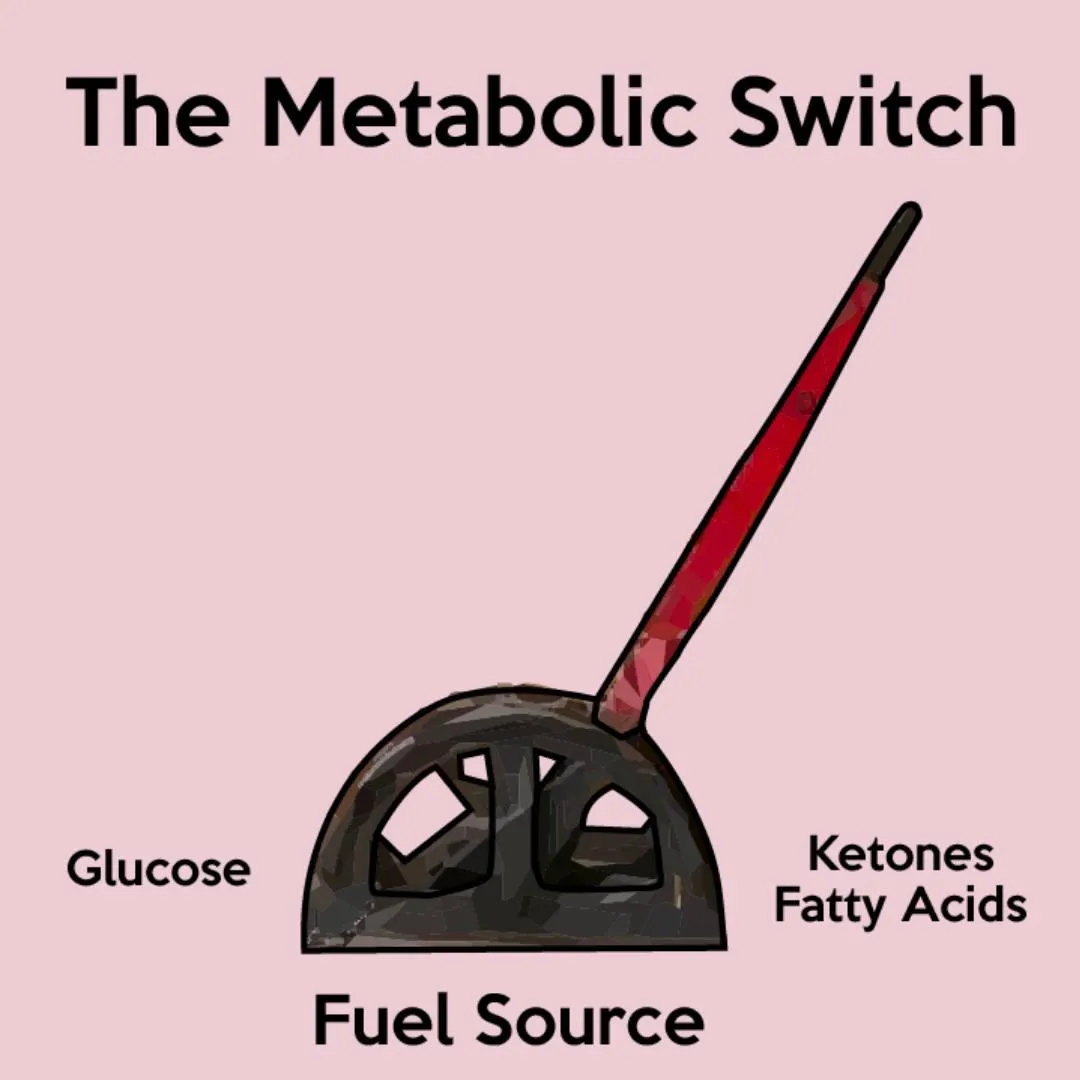
What is the Metabolic Switch and How is it Flipped?
The concept of the metabolic switch is gaining significant attention in the fields of health and fitness. Understanding this natural process can offer insights into effective fat loss and muscle gain strategies. But what exactly is the metabolic switch, and how is it flipped? Let’s explore this fascinating mechanism, incorporating recent scientific insights.
What is the Metabolic Switch and How is it Flipped?
The Fasted State: Shifting from Fat Storage to Fat Burning
How is the Metabolic Switch Flipped?
The Fasted State: Shifting from Fat Storage to Fat Burning
The fasted state is a crucial period when your body transitions from fat-storage mode to fat-burning mode. This shift usually occurs after 12 or more hours without eating, making overnight fasting a practical approach for many. The metabolic switch is essentially the body’s way of switching its energy source from glucose to fatty acids and ketones derived from body fat.
What is the Metabolic Switch?
Quite simply, the metabolic switch is the natural process of changing our body’s energy source from glucose (a type of sugar) to fatty acids and ketones (super-charged energy molecules made from our own body fat). This shift typically happens while we sleep and can have profound effects on our body’s ability to burn fat and build muscle.
How is the Metabolic Switch Flipped?
Fasting for 12 or More Hours
One of the primary ways to flip the metabolic switch is through fasting. When we fast for 12 or more hours, our body’s glycogen stores (stored glucose) become depleted. As a result, the body begins to utilize fatty acids and ketones as alternative energy sources. This process helps mobilize stored body fat and uses it for energy, leading to fat loss.
Prolonged Exercise
Engaging in prolonged physical activity can also trigger the metabolic switch. During extended periods of exercise, the body’s glucose reserves are exhausted, prompting a shift to fat-burning for energy. This not only aids in fat loss but also improves overall energy efficiency.
The Impact of Fuel Type on Cells and Mitochondria
The type of fuel that our cells use significantly impacts their function and, by extension, how well we feel. When our metabolism shifts from using glucose to ketones, there are several positive effects on our cells and mitochondria:
1. Increased Energy Production: When cells are fed ketones, they produce approximately 25% more energy than when they are fed glucose. This higher energy efficiency can enhance physical performance and overall vitality.
2. Reduced Metabolic Waste and Inflammation: Cells running on ketones produce less metabolic waste and lower inflammation signals. This can result in decreased inflammation throughout the body, contributing to better health and potentially reducing the risk of chronic diseases.
Scientific Discoveries on the Metabolic Switch
Recent studies have highlighted the profound impact of the metabolic switch on various aspects of health:
1. Metabolic Flexibility: The ability to switch between energy sources (glucose and ketones) is known as metabolic flexibility. Improved metabolic flexibility is associated with better overall metabolic health and a lower risk of metabolic diseases such as type 2 diabetes. A 2020 study published in Cell Metabolism emphasized that metabolic flexibility enhances the body’s ability to adapt to various metabolic demands, reducing the risk of insulin resistance and related conditions.
2. Brain Health: Ketones provide a more efficient and stable energy source for the brain, which can enhance cognitive function and protect against neurodegenerative diseases. Research from The Journal of Clinical Investigation in 2021 found that ketones can support brain health by reducing oxidative stress and inflammation, potentially offering protective benefits against conditions like Alzheimer’s disease.
3. Longevity: Animal studies have suggested that periods of fasting and ketosis may promote longevity by enhancing cellular repair processes and reducing the risk of age-related diseases. A 2019 study in Nature Metabolism indicated that intermittent fasting and ketogenic diets could activate pathways associated with increased lifespan and health span in animal models. While more research is needed in humans, the initial findings are promising.
Benefits of Running on Ketones
Switching your body’s energy source to ketones offers numerous advantages, including:
Enhanced Fat Loss: Utilizing body fat for energy naturally leads to fat loss without the need for extreme dieting or excessive exercise.
Improved Mitochondrial Function: Ketones provide a cleaner energy source for mitochondria, the powerhouses of our cells, leading to better cellular health and function.
Greater Energy Efficiency: Ketones generate more energy per molecule compared to glucose, resulting in improved overall energy levels and physical endurance.
Conclusion
Flipping the metabolic switch is a powerful tool for optimizing health, enhancing energy levels, and promoting natural fat loss. By understanding how this process works and incorporating strategies like intermittent fasting and prolonged exercise, you can harness the benefits of the metabolic switch. Embracing this natural mechanism can lead to a healthier, more vibrant life, with improved energy efficiency and reduced inflammation.
Running your body on this high-quality energy source can make a significant difference in how you feel and perform, both physically and mentally. So, consider incorporating fasting or prolonged exercise into your routine to unlock the full potential of the metabolic switch.
References
Cell Metabolism, 2020. “Metabolic Flexibility and Its Role in Health and Disease.”
The Journal of Clinical Investigation, 2021. “Ketones and Brain Health: Protective Mechanisms Against Neurodegeneration.”
Nature Metabolism, 2019. “Intermittent Fasting and Ketogenic Diets: Potential for Lifespan Extension.”


