




Choose the Right Path for Your Goals
Whether you want daily accountability, a comprehensive program, one-on-one coaching, or need expert guidance for your organization, I have options that fit where you are right now.
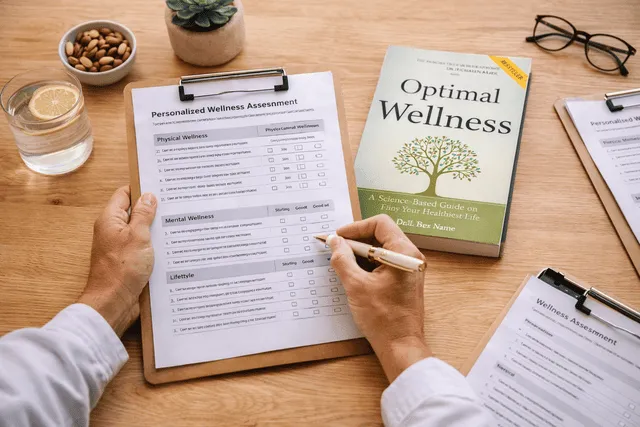
Start Free: The Optimal Wellness Plan
Not sure which service is right for you? Start here.
Get a free personalized wellness assessment that shows you exactly where you stand and what to focus on first. Includes my bestselling Optimal Wellness Book with simple, science-backed strategies you can start using today.
Best for: Everyone. This is the perfect starting point.
Popular Blogs

Designing Your Healthy Tomorrow with Lifestyle Interventions
In the quest for a healthier tomorrow, we often overlook the small, daily choices that lay the foundation for long-term well-being. The secret to thriving in the future lies in the lifestyle interventions we embrace today. This blog delves into practical strategies for designing a healthier tomorrow through mindful lifestyle choices.
1. Embrace a Balanced Diet
Nourish Your Body - The foundation of any healthy lifestyle begins with what we eat. A balanced diet rich in fruits, vegetables, healthy fats, and lean proteins provides essential nutrients that fuel our bodies and support overall health. Incorporating a variety of colorful foods ensures you get a wide range of vitamins and minerals. For example, leafy greens like spinach are high in iron and calcium, while berries are packed with antioxidants.
Mindful Eating - Practice mindful eating by paying attention to hunger cues and savoring each bite. This helps prevent overeating and fosters a healthier relationship with food. Mindful eating involves slowing down and being present during meals, which can enhance digestion and satisfaction.
Hydration - Don’t underestimate the power of water. Staying hydrated aids digestion, supports cognitive function, and keeps your skin glowing. Aim for at least 8 cups of water a day, and consider carrying a reusable water bottle to remind yourself to drink throughout the day.
Limit Processed Foods - Reducing the intake of processed foods, which are often high in unhealthy fats, sugars, and sodium, can significantly improve your diet quality. Opt for whole, unprocessed foods whenever possible.
2. Prioritize Physical Activity
Move More - Regular physical activity is crucial for maintaining a healthy weight, improving cardiovascular health, and boosting mood. Aim for at least 150 minutes of moderate-intensity exercise per week, such as brisk walking, cycling, or swimming. Physical activity doesn’t have to be a chore; find activities you enjoy to make it a regular part of your routine.
Strength Training - Incorporate strength training exercises to build and maintain muscle mass, which is vital for metabolic health and preventing age-related muscle loss. Exercises like weight lifting, resistance band workouts, and body-weight exercises can be effective and can be done at home or at a gym.
Stay Active Daily - Integrate movement into your daily routine by taking the stairs, walking during breaks, and engaging in activities you enjoy. Small changes, such as parking further away or standing while working, can increase your daily activity level.
Flexibility and Balance - Don’t forget the importance of flexibility and balance exercises, such as yoga or tai chi, which can enhance physical function and prevent falls, especially as you age.
3. Foster Mental Well-Being
Mindfulness and Meditation - Practicing mindfulness and meditation can reduce stress, enhance emotional resilience, and improve overall mental health. Start with a few minutes each day and gradually increase the duration. Apps like Headspace or Calm can guide you through meditation practices.
Connect with Others - Social connections are vital for emotional well-being. Spend time with loved ones, join community groups, and engage in activities that foster a sense of belonging. Strong social ties can reduce stress and improve mental health.
Continuous Learning - Keep your mind sharp by engaging in lifelong learning. Reading, puzzles, and learning new skills stimulate brain function and promote cognitive health. Consider taking up a new hobby or enrolling in a class to keep your mind engaged.
Express Gratitude - Practicing gratitude can improve your mental health by shifting your focus to positive aspects of your life. Keep a gratitude journal where you write down things you’re thankful for each day.
4. Prioritize Sleep
Consistent Schedule - Aim for 7-9 hours of sleep per night and maintain a consistent sleep schedule. Going to bed and waking up at the same time each day regulates your internal clock and improves sleep quality. A regular sleep pattern can enhance your overall health and well-being.
Create a Sleep-Friendly Environment - Ensure your bedroom is conducive to sleep by keeping it cool, dark, and quiet. Consider using a white noise machine or blackout curtains if needed. Your bedroom should be a sanctuary for rest, free from distractions like electronics.
Limit Screen Time - Reduce exposure to screens before bedtime, as the blue light emitted by phones and computers can disrupt your sleep cycle. Try reading a book or practicing relaxation techniques before bed.
Establish a Routine - Develop a pre-sleep routine that signals to your body that it’s time to wind down. This could include activities like taking a warm bath, reading, or practicing gentle stretches.
5. Manage Stress Effectively
Identify Stressors - Recognize the sources of stress in your life and address them proactively. This might involve setting boundaries, delegating tasks, or seeking professional support. Understanding what triggers your stress can help you develop strategies to manage it.
Relaxation Techniques - Explore relaxation techniques such as deep breathing, progressive muscle relaxation, or yoga. These practices can help calm your mind and reduce stress levels. Deep breathing exercises, for example, can activate the body’s relaxation response.
Time Management - Organize your day to include time for relaxation and activities you enjoy. Balancing work and leisure is essential for maintaining mental and emotional well-being. Prioritizing tasks and setting realistic goals can help reduce stress.
Take Breaks - Incorporate short breaks into your day to rest and recharge. Even a few minutes of stepping away from your work can improve productivity and reduce stress.
6. Regular Health Check-Ups
Preventive Care - Schedule regular check-ups with your healthcare provider to monitor your health and catch potential issues early. Preventive care, such as vaccinations and screenings, plays a critical role in maintaining long-term health. Regular check-ups can help you stay on top of your health and address any concerns promptly.
Listen to Your Body - Pay attention to your body’s signals and seek medical advice if something doesn’t feel right. Early intervention can prevent minor issues from becoming major health concerns. Trusting your instincts and advocating for your health is crucial.
Health Screenings - Keep up with recommended health screenings for your age and gender, such as blood pressure checks, cholesterol levels, and cancer screenings. These can provide early detection and treatment of potential health issues.
7. Cultivate Positive Habits
Set Realistic Goals - Establish achievable health goals and track your progress. Celebrating small victories can boost motivation and reinforce positive behavior. Setting SMART (Specific, Measurable, Achievable, Relevant, Time-bound) goals can help you stay focused and motivated.
Build a Support System - Surround yourself with supportive friends and family who encourage your healthy choices. Consider joining a group or finding a wellness buddy to share your journey. Having a support system can make it easier to stick to your goals.
Stay Informed - Stay up-to-date with the latest health research and trends. Knowledge empowers you to make informed decisions about your well-being. Reliable sources like health websites, medical journals, and your healthcare provider can provide valuable information.
Positive Mindset - Cultivate a positive mindset by focusing on what you can do rather than what you can’t. Positive thinking can improve your outlook on life and enhance your overall well-being.
Conclusion
Designing a healthy tomorrow starts with the choices we make today. By embracing a balanced diet, prioritizing physical activity, fostering mental well-being, managing stress, and cultivating positive habits, we lay the groundwork for a vibrant and fulfilling future. Remember, small changes can lead to significant improvements in overall health. Start with one or two lifestyle interventions and gradually incorporate more as you progress on your journey to a healthier tomorrow.

How I Help You Age Better
I've organized everything I offer around five core areas. You probably need help in more than one of these areas - most people do. The good news is if you improve in one area, you are likely to see improvements in other areas.

More Energy & Better Metabolism
You want to wake up ready to go, not drag through the day. This is about optimizing how your body processes food and fuel. Better metabolism means better energy, easier weight control, and stronger physical performance.
Brain Health & Sharp Thinking
Protecting your brain and maintaining your mental clarity as you age isn't something that happens by accident. It requires specific nutrition, sleep habits, movement, and lifestyle strategies specific to brain health. I'll show you exactly what works.
Stay Strong & Move Without Pain
Maintaining muscle, balance, and mobility is what allows you to live a full life and stay independent as you age. Whether it’s hiking, skiing, playing with your kids (or grandkids) or just moving through your day without stiffness - this matters.
Recovery & Physical Resilience
Your body needs proper recovery to stay healthy. This includes good quality sleep, stress management, and movement strategies that help you bounce back faster.
Purpose & Peace of Mind
Physical health is part of the equation. So is feeling like you're in control of your future, living with purpose, and knowing you're doing the right things at the right times.
How I Help You Age Better
I've organized everything I offer around five core areas. You probably need help in more than one of these areas - most people do. The good news is if you improve in one area, you are likely to see improvements in other areas.
Alpha Max Test 3D

All-natural testosterone booster I formulated with the one and only Funk Roberts.
The Better Fit Mask
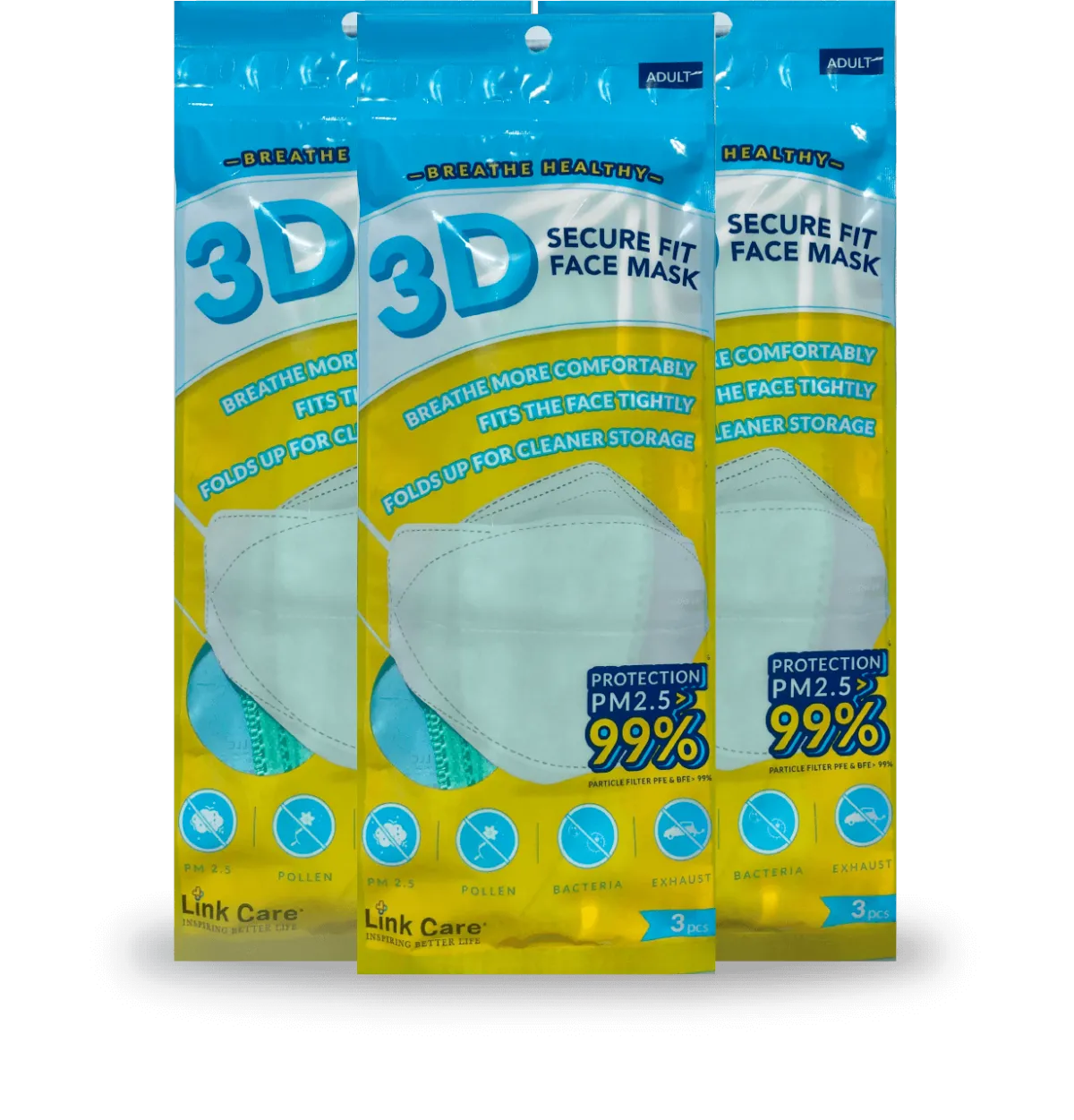
My preferred facemask for protection and comfort. Use code: DRANTON for 10% off.
Individual Services

90-Day Optimal Wellness Accountability Program
A 90-day email and text series that walks you through the four core pillars of the Optimal Wellness Book. Daily education, actionable steps, built-in accountability.
Best for: People who want structure, daily guidance, and quick results.
Healthy Aging Mastery Program

A comprehensive online course with video modules, workbooks, and 100% customized meal plans. You answer questions about your preferences—the program builds itself around your life.
Best for: People ready for a complete system with personalized meal plans and deep learning.

Personalized Coaching for Healthy Aging
One-on-one coaching where we build a personalized strategy for your specific situation. Regular check-ins, direct access, and accountability from someone who understands your goals.
Best for: People who want direct access, personalized guidance, and one-on-one accountability.
Choosing the Right Service

Individual Looking to Improve Health?
Quick results & structure → 90-Day Program
Comprehensive system → Mastery Program
Personalized guidance → Coaching
Organization?
Inspire your team → Keynote or Workshop
Strategic guidance & credibility → Advisory or Research
Not Sure?
to discuss what's best for you.
Recent Blogs
Designing Your Healthy Tomorrow with Lifestyle Interventions
In the quest for a healthier tomorrow, we often overlook the small, daily choices that lay the foundation for long-term well-being. The secret to thriving in the future lies in the lifestyle interventions we embrace today. This blog delves into practical strategies for designing a healthier tomorrow through mindful lifestyle choices.
1. Embrace a Balanced Diet
Nourish Your Body - The foundation of any healthy lifestyle begins with what we eat. A balanced diet rich in fruits, vegetables, healthy fats, and lean proteins provides essential nutrients that fuel our bodies and support overall health. Incorporating a variety of colorful foods ensures you get a wide range of vitamins and minerals. For example, leafy greens like spinach are high in iron and calcium, while berries are packed with antioxidants.
Mindful Eating - Practice mindful eating by paying attention to hunger cues and savoring each bite. This helps prevent overeating and fosters a healthier relationship with food. Mindful eating involves slowing down and being present during meals, which can enhance digestion and satisfaction.
Hydration - Don’t underestimate the power of water. Staying hydrated aids digestion, supports cognitive function, and keeps your skin glowing. Aim for at least 8 cups of water a day, and consider carrying a reusable water bottle to remind yourself to drink throughout the day.
Limit Processed Foods - Reducing the intake of processed foods, which are often high in unhealthy fats, sugars, and sodium, can significantly improve your diet quality. Opt for whole, unprocessed foods whenever possible.
2. Prioritize Physical Activity
Move More - Regular physical activity is crucial for maintaining a healthy weight, improving cardiovascular health, and boosting mood. Aim for at least 150 minutes of moderate-intensity exercise per week, such as brisk walking, cycling, or swimming. Physical activity doesn’t have to be a chore; find activities you enjoy to make it a regular part of your routine.
Strength Training - Incorporate strength training exercises to build and maintain muscle mass, which is vital for metabolic health and preventing age-related muscle loss. Exercises like weight lifting, resistance band workouts, and body-weight exercises can be effective and can be done at home or at a gym.
Stay Active Daily - Integrate movement into your daily routine by taking the stairs, walking during breaks, and engaging in activities you enjoy. Small changes, such as parking further away or standing while working, can increase your daily activity level.
Flexibility and Balance - Don’t forget the importance of flexibility and balance exercises, such as yoga or tai chi, which can enhance physical function and prevent falls, especially as you age.
3. Foster Mental Well-Being
Mindfulness and Meditation - Practicing mindfulness and meditation can reduce stress, enhance emotional resilience, and improve overall mental health. Start with a few minutes each day and gradually increase the duration. Apps like Headspace or Calm can guide you through meditation practices.
Connect with Others - Social connections are vital for emotional well-being. Spend time with loved ones, join community groups, and engage in activities that foster a sense of belonging. Strong social ties can reduce stress and improve mental health.
Continuous Learning - Keep your mind sharp by engaging in lifelong learning. Reading, puzzles, and learning new skills stimulate brain function and promote cognitive health. Consider taking up a new hobby or enrolling in a class to keep your mind engaged.
Express Gratitude - Practicing gratitude can improve your mental health by shifting your focus to positive aspects of your life. Keep a gratitude journal where you write down things you’re thankful for each day.
4. Prioritize Sleep
Consistent Schedule - Aim for 7-9 hours of sleep per night and maintain a consistent sleep schedule. Going to bed and waking up at the same time each day regulates your internal clock and improves sleep quality. A regular sleep pattern can enhance your overall health and well-being.
Create a Sleep-Friendly Environment - Ensure your bedroom is conducive to sleep by keeping it cool, dark, and quiet. Consider using a white noise machine or blackout curtains if needed. Your bedroom should be a sanctuary for rest, free from distractions like electronics.
Limit Screen Time - Reduce exposure to screens before bedtime, as the blue light emitted by phones and computers can disrupt your sleep cycle. Try reading a book or practicing relaxation techniques before bed.
Establish a Routine - Develop a pre-sleep routine that signals to your body that it’s time to wind down. This could include activities like taking a warm bath, reading, or practicing gentle stretches.
5. Manage Stress Effectively
Identify Stressors - Recognize the sources of stress in your life and address them proactively. This might involve setting boundaries, delegating tasks, or seeking professional support. Understanding what triggers your stress can help you develop strategies to manage it.
Relaxation Techniques - Explore relaxation techniques such as deep breathing, progressive muscle relaxation, or yoga. These practices can help calm your mind and reduce stress levels. Deep breathing exercises, for example, can activate the body’s relaxation response.
Time Management - Organize your day to include time for relaxation and activities you enjoy. Balancing work and leisure is essential for maintaining mental and emotional well-being. Prioritizing tasks and setting realistic goals can help reduce stress.
Take Breaks - Incorporate short breaks into your day to rest and recharge. Even a few minutes of stepping away from your work can improve productivity and reduce stress.
6. Regular Health Check-Ups
Preventive Care - Schedule regular check-ups with your healthcare provider to monitor your health and catch potential issues early. Preventive care, such as vaccinations and screenings, plays a critical role in maintaining long-term health. Regular check-ups can help you stay on top of your health and address any concerns promptly.
Listen to Your Body - Pay attention to your body’s signals and seek medical advice if something doesn’t feel right. Early intervention can prevent minor issues from becoming major health concerns. Trusting your instincts and advocating for your health is crucial.
Health Screenings - Keep up with recommended health screenings for your age and gender, such as blood pressure checks, cholesterol levels, and cancer screenings. These can provide early detection and treatment of potential health issues.
7. Cultivate Positive Habits
Set Realistic Goals - Establish achievable health goals and track your progress. Celebrating small victories can boost motivation and reinforce positive behavior. Setting SMART (Specific, Measurable, Achievable, Relevant, Time-bound) goals can help you stay focused and motivated.
Build a Support System - Surround yourself with supportive friends and family who encourage your healthy choices. Consider joining a group or finding a wellness buddy to share your journey. Having a support system can make it easier to stick to your goals.
Stay Informed - Stay up-to-date with the latest health research and trends. Knowledge empowers you to make informed decisions about your well-being. Reliable sources like health websites, medical journals, and your healthcare provider can provide valuable information.
Positive Mindset - Cultivate a positive mindset by focusing on what you can do rather than what you can’t. Positive thinking can improve your outlook on life and enhance your overall well-being.
Conclusion
Designing a healthy tomorrow starts with the choices we make today. By embracing a balanced diet, prioritizing physical activity, fostering mental well-being, managing stress, and cultivating positive habits, we lay the groundwork for a vibrant and fulfilling future. Remember, small changes can lead to significant improvements in overall health. Start with one or two lifestyle interventions and gradually incorporate more as you progress on your journey to a healthier tomorrow.
All Services Include
Evidence-based approach (everything backed by research).
Practical, actionable strategies (not theory).
Clear communication (no jargon or overcomplicated language).
Focused on results (you should feel and see the difference).
Respect for your time and intelligence.

What People Say
I wasn't sure which program was right, so I had a consultation. Stephen listened to my situation and recommended the Mastery Program. That guidance made all the difference.
— Sarah, 52
The keynote gave us a completely different perspective on what's possible as we age. Now our whole team is approaching health differently.
— Dave, Corporate Wellness Director
Working with Stephen one-on-one changed my approach. He explained the why, which made me actually commit to the changes.
— Michael, 58

About
Stephen Anton PhD in Clinical and Health Psychology, University of Florida 25+ years researching longevity and healthy aging. Published in NEJM, JAMA, American Journal of Clinical Nutrition, and more. Recognized expert in intermittent fasting, metabolism, and cardiovascular health
© Copyright 2026 | All Rights Reserved Dr. Stephen Anton | Terms & Conditions
This information is for educational purposes only and is not a substitute for personalized medical advice. Please consult your physician before making changes to your health routine.