
Let's Talk About Your Health
There are a few ways to connect.
Contact Methods
Option 1: Complete The Form
Best for: Questions or Inquiries about my resources
Option 2: Email Me Directly
Best for: You have a question or want to inquire about speaking engagements [email protected]
Fair warning: I get a lot of emails. I try to respond within a few days, but email isn't always the fastest way to reach me. If you need a quick answer, the consultation calendar is usually faster.
Option 3: Press & Speaking Inquiries
Best for: Media inquiries, podcast appearances, or keynote speaking
If you're interested in having me speak at your organization, appear on your podcast, or discuss collaboration opportunities, let me know.
Best for: You're ready to discuss working together one-on-one
Book a time that works for you. We'll talk about your specific situation, what you're trying to achieve, and whether personalized coaching is the right fit.
Popular Blogs
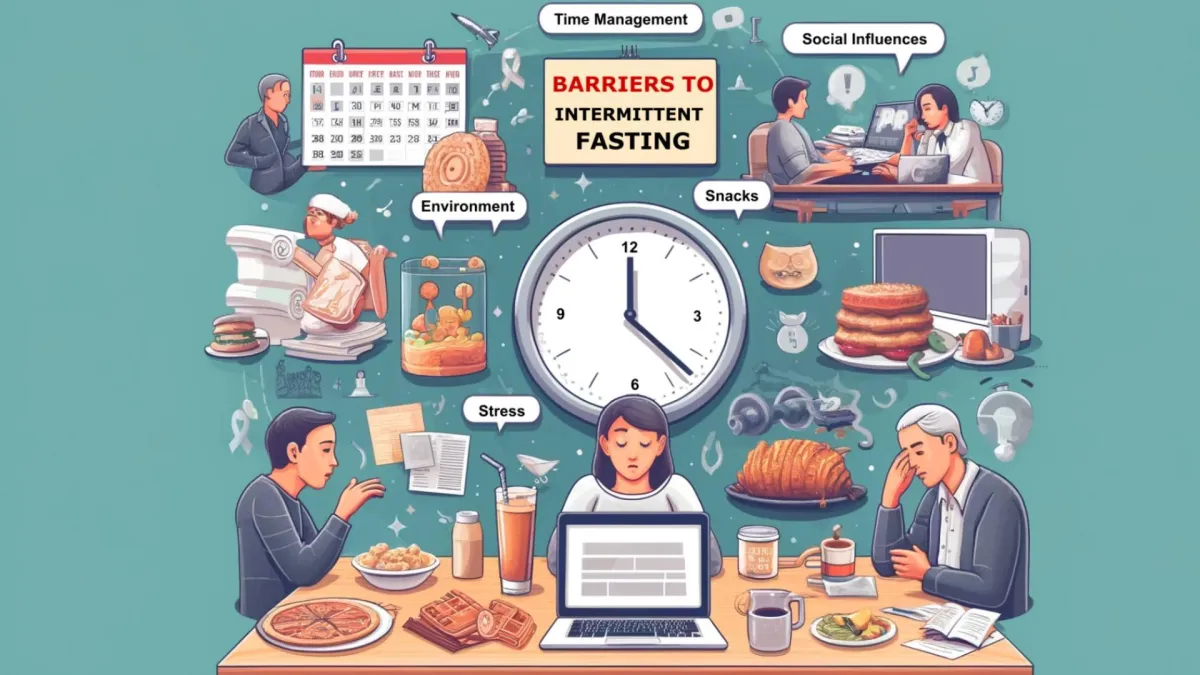
Overcoming Barriers to Intermittent Fasting: A Guide to Sustainable Success
Intermittent fasting has gained popularity for its numerous health benefits, including weight loss, improved metabolism, and enhanced mental clarity.
Sticking to a fasting routine over the long term, however, can be challenging as there are a number of potential challenges to overcome to successfully adopt this habit.
If you have attempted to follow a fasting schedule recently or perhaps in the past but stopped due to barriers you encountered, this blog is written for you!
Let’s explore some common barriers that almost everyone encounters when adopting an intermittent fasting practice and potential strategies you can use to overcome these obstacles.
Social-Environmental Factors
Social norms and the constant availability of food can make fasting difficult. Food is often a central part of social gatherings, making it hard to stick to your eating schedule. Family meals and traditions can also conflict with your fasting routine.
Strategies to Tackle Socio-Environmental Challenges
Navigating Social Events
Managing Family Influence
Psychological and Physical Factors
Stress and boredom are significant hurdles. Stress can lead to emotional eating, while boredom might trigger cravings and unplanned snacking. Additionally, managing hunger, especially in the initial stages of fasting, can be overwhelming as your body adjusts to the new eating pattern.
Handling Psychological and Physical Challenges
Additional Tips for Long-Term Success
Understanding Sustainability
Sustainability refers to maintaining a behavior or practice over the long term. It’s about creating habits and routines that are not only effective but also feasible and enjoyable. Your environment, mindset, and support system play crucial roles in your ability to sustain healthy habits.
Recap and Reflection
Embracing these strategies can help you overcome common barriers to intermittent fasting, making it a sustainable and effective part of your lifestyle. Remember, consistency and flexibility are key to long-term success, allowing you to enjoy the benefits of fasting while maintaining a balanced and enjoyable approach to eating.
By addressing these barriers with practical strategies, you are likely to be better able to follow a fasting routine. You may even find the practice of intermittent fasting or time-restricted eating to be a rewarding experience. Stay committed to your goals, and remember that making small, consistent changes can lead to lasting success.
Not Sure Where to Start?
Start here: Get the Optimal Wellness Plan. It's free to low cost and walks you through the four pillars. You'll get a clear sense of what areas need attention and what your next step should be.
Prefer to Learn First?
Read the blog: Check out the latest articles on metabolism, brain health, aging, and staying strong. Get a feel for how I approach these topics.
Want to Stay Connected?
Subscribe to the newsletter: Every week, actionable strategies for aging well. No fluff, no hype. Just practical science-backed guidance.
How I Help You Age Better
I've organized everything I offer around five core areas. You probably need help in more than one of these areas - most people do. The good news is if you improve in one area, you are likely to see improvements in other areas.

More Energy & Better Metabolism
You want to wake up ready to go, not drag through the day. This is about optimizing how your body processes food and fuel. Better metabolism means better energy, easier weight control, and stronger physical performance.
Brain Health & Sharp Thinking
Protecting your brain and maintaining your mental clarity as you age isn't something that happens by accident. It requires specific nutrition, sleep habits, movement, and lifestyle strategies specific to brain health. I'll show you exactly what works.
Stay Strong & Move Without Pain
Maintaining muscle, balance, and mobility is what allows you to live a full life and stay independent as you age. Whether it’s hiking, skiing, playing with your kids (or grandkids) or just moving through your day without stiffness - this matters.
Recovery & Physical Resilience
Your body needs proper recovery to stay healthy. This includes good quality sleep, stress management, and movement strategies that help you bounce back faster.
Purpose & Peace of Mind
Physical health is part of the equation. So is feeling like you're in control of your future, living with purpose, and knowing you're doing the right things at the right times.
How I Help You Age Better
I've organized everything I offer around five core areas. You probably need help in more than one of these areas - most people do. The good news is if you improve in one area, you are likely to see improvements in other areas.
Alpha Max Test 3D

All-natural testosterone booster I formulated with the one and only Funk Roberts.
The Better Fit Mask

My preferred facemask for protection and comfort. Use code: DRANTON for 10% off.
Frequently Asked Questions
What if I have a quick question?
Not required, but recommended. The consultation helps me understand your specific situation so I can recommend the right program. Some people jump straight into the 90-Day Program or Mastery Program—that's fine too. Either way, just start with the services page.
What if I have a quick question?
Email me. I try to answer questions when I can, but I'm not a free advice hotline. If it's a complex question or requires a longer conversation, I'll suggest booking a consultation.
Will you work with someone from outside Florida?
Yes. Most of my clients are not in Florida. Everything is online unless you're local and we arrange something specific.
How long is a consultation?
Usually 30-45 minutes. We focus on understanding your goals, what's been challenging, and which approach might work best for you.
I'm interested in a partnership or collaboration. Who do I contact?
Email me directly with details about what you have in mind. If it's a good fit, we'll talk.
Recent Blogs
Overcoming Barriers to Intermittent Fasting: A Guide to Sustainable Success
Intermittent fasting has gained popularity for its numerous health benefits, including weight loss, improved metabolism, and enhanced mental clarity.
Sticking to a fasting routine over the long term, however, can be challenging as there are a number of potential challenges to overcome to successfully adopt this habit.
If you have attempted to follow a fasting schedule recently or perhaps in the past but stopped due to barriers you encountered, this blog is written for you!
Let’s explore some common barriers that almost everyone encounters when adopting an intermittent fasting practice and potential strategies you can use to overcome these obstacles.
Social-Environmental Factors
Social norms and the constant availability of food can make fasting difficult. Food is often a central part of social gatherings, making it hard to stick to your eating schedule. Family meals and traditions can also conflict with your fasting routine.
Strategies to Tackle Socio-Environmental Challenges
Navigating Social Events
Managing Family Influence
Psychological and Physical Factors
Stress and boredom are significant hurdles. Stress can lead to emotional eating, while boredom might trigger cravings and unplanned snacking. Additionally, managing hunger, especially in the initial stages of fasting, can be overwhelming as your body adjusts to the new eating pattern.
Handling Psychological and Physical Challenges
Additional Tips for Long-Term Success
Understanding Sustainability
Sustainability refers to maintaining a behavior or practice over the long term. It’s about creating habits and routines that are not only effective but also feasible and enjoyable. Your environment, mindset, and support system play crucial roles in your ability to sustain healthy habits.
Recap and Reflection
Embracing these strategies can help you overcome common barriers to intermittent fasting, making it a sustainable and effective part of your lifestyle. Remember, consistency and flexibility are key to long-term success, allowing you to enjoy the benefits of fasting while maintaining a balanced and enjoyable approach to eating.
By addressing these barriers with practical strategies, you are likely to be better able to follow a fasting routine. You may even find the practice of intermittent fasting or time-restricted eating to be a rewarding experience. Stay committed to your goals, and remember that making small, consistent changes can lead to lasting success.
About
Stephen Anton PhD in Clinical and Health Psychology, University of Florida 25+ years researching longevity and healthy aging. Published in NEJM, JAMA, American Journal of Clinical Nutrition, and more. Recognized expert in intermittent fasting, metabolism, and cardiovascular health
© Copyright 2026 | All Rights Reserved Dr. Stephen Anton | Terms & Conditions
This information is for educational purposes only and is not a substitute for personalized medical advice. Please consult your physician before making changes to your health routine.