




Organizational Services
Keynote Speaking & Executive Workshops
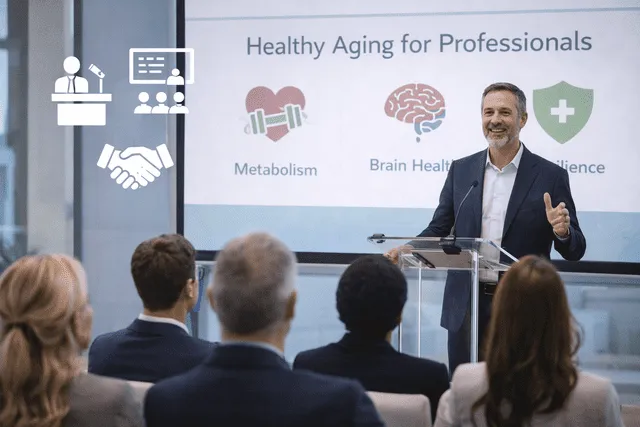
High-impact presentations on healthy aging, metabolic health, brain health, and resilience for organizations, healthcare systems, and professional groups. Available as keynotes, workshops, or executive retreats.
Best for: Organizations wanting to inspire and educate teams about evidence-based healthy aging.
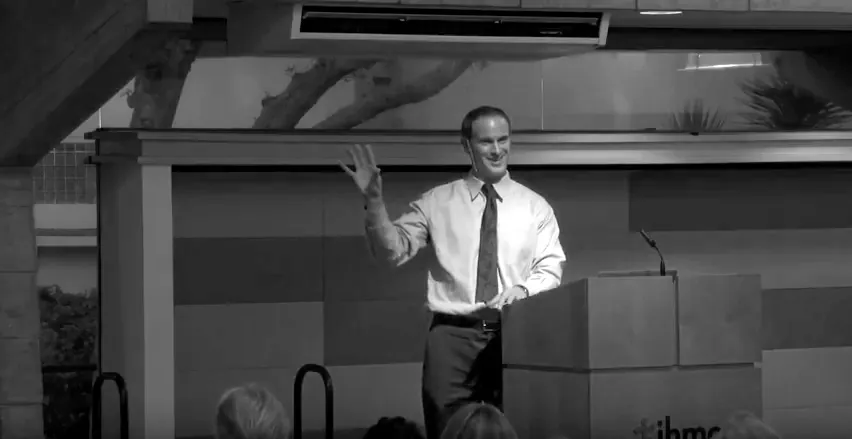

Research Collaboration & Scientific Advisory
I work with organizations on research projects related to aging, metabolism, and longevity. This includes study design, data analysis, manuscript development, and publication support.
Best for: Organizations needing research credibility, study design expertise, and scientific validation.
Board & Advisory Roles

I serve on boards and advisory committees for health and wellness organizations. I provide strategic guidance, scientific credibility, and expertise to help shape company direction and approach.
Best for: Organizations needing ongoing expert guidance and scientific credibility.
Popular Blogs
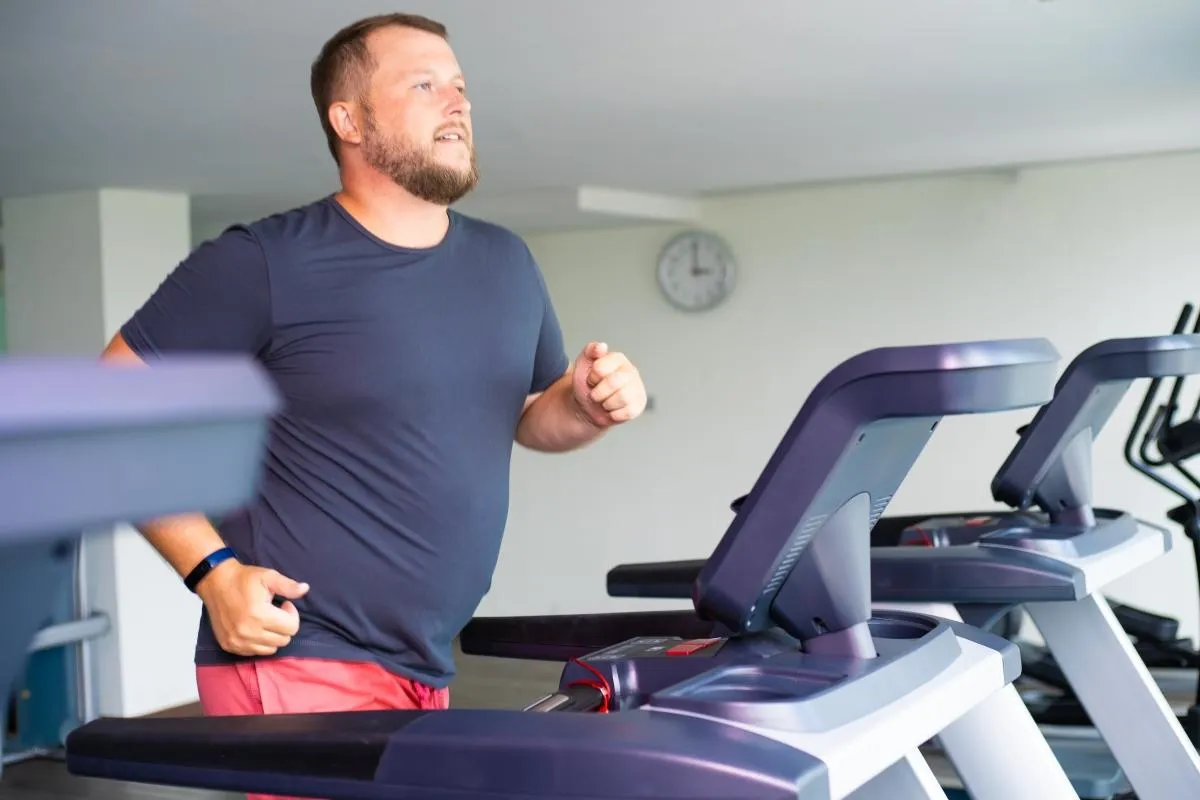
Is Obesity Associated With Low Testosterone Levels?
Over the past few decades, there has been a pronounced reduction in average testosterone levels among men, which is independent of age.
This dramatic fall is quite concerning given the critical role of testosterone in so many aspects of our overall health.
Given this phenomenon, a natural question is what is contributing to this pronounced decline.
There are many potential factors including sedentary lifestyle, increased consumption of processed foods, consumption of potentially estrogenic foods (soy, flax seed), lower competition, and lack of high intensity exercise.
These same lifestyle changes appear to directly contribute to unhealthy weight gain and the increasing prevalence of obesity that has occurred over the past few decades.
Is the Rise in Obesity Associated with Lower Testosterone Levels?
The answer appears to be a resounding yes!
This connection was first discovered in the 1970s and was shown to be present even in middle-age and younger men.
Since then, the rise in obesity seems to almost mirror the fall in testosterone levels, at least in men.
Studies have found that previously healthy individuals who developed obesity had a significant decrease of approximately 12% in their testosterone levels, a change that is comparable to that associated with aging 10 years.
In other studies, men with obesity had almost 50% lower testosterone levels compared to healthy control groups.
Based on these striking findings, some authors have concluded that “Obesity, increasing in prevalence globally, is the clinical condition most strongly associated with lowered testosterone concentrations in men.”
Potential Mechanisms Linking Obesity and Lower Testosterone
There are many potential mechanisms through which unhealthy weight gain could lower testosterone levels.
First, fat cells have been shown to metabolize testosterone and convert it into estrogen.
Obesity has also been shown to reduce levels of sex hormone binding globulin (SHBG), a protein that carries testosterone in the blood, and lower levels of this hormone have been associated with less free and total testosterone.
Additionally, obesity can lead to imbalanced leptin levels, which can raise estrogen levels and diminish testosterone levels.
How does Obesity influence Testosterone Levels as we Age?
As we get older, the effects of obesity on testosterone levels seem to be even stronger.
In a large-scale study called the Testosterone Trials, which included over 500 older men who were 65 years and older and had verified low testosterone levels found that over 60% of these men had obesity, and over 90% were overweight.
Such findings are noteworthy, as this study was not seeking to enroll older men who were overweight or who had obesity.
This observation suggests that unhealthy weight gain contributes even more to low testosterone levels as we age.
Connection with Metabolic Factors
The relationship between obesity and low testosterone levels in aging men is further complicated by the known increase in metabolic issues, specifically the metabolic syndrome that occur with aging.
The metabolic syndrome is diagnosed when a person has three or more of the following risk factors, abdominal obesity, high insulin levels, high fasting plasma glucose, levels, or impaired glucose tolerance, high triglycerides, low HDL, for hypertension.
Also noteworthy, the prevalence of metabolic syndrome progressively increases with each decade of age, with almost half of men and women over the age of 50 having this syndrome.

Body Fat Gain and Lower Testosterone Levels: A Self-Perpetuating Cycle
While the studies mentioned above suggest that obesity leads to reduced testosterone, there is also a large body of evidence from human studies to indicate that low testosterone levels can influence (increase) fat gain.
Because low testosterone can increase unhealthy weight gain and unhealthy weight gain can further lower testosterone levels, this can create a self-perpetuating cycle of metabolic complications.
Additionally, obesity itself can contribute to loss of muscle mass and function, due to the inflammatory nature of body fat. And over time lead to a condition called sarcopenia (muscle loss with aging).
The result is that many older men are now at risk or have developed a condition termed ‘sarcopenic obesity’.
Men with sarcopenic obesity represent a particularly high risk population as these two conditions not only contributes to low testosterone levels but can also act synergistically to increase risk for metabolic syndrome and other health conditions.
Potential Solutions to Improve Testosterone Levels If You Are Overweight
The good news is that weight loss in overweight men can lead to substantial improvements in testosterone levels.
And the increase in testosterone appears to be proportional to the amount of weight lost!
For these reasons, I highly recommend that overweight men follow a healthy fat loss program to increase their testosterone levels and vitality while maintaining muscle mass.
Testosterone Boosting Supplements
There are a number of potential testosterone boosting supplements out there to help improve, but what most supplements lack are specific compounds in clinically studied doses that help improve both testosterone levels and metabolic processes.
There is one supplement, however, that addresses many of the underlying factors that can contribute to low testosterone levels. For this reason, I highly recommend the supplement Alpha Max 3D that I recently co-developed with the one and only Funk Roberts.
In addition to containing compounds to boost testosterone levels, it also contains compounds that can increase your workout capacity as well as maximize your anabolic response to workouts.
The combination of ingredients in this supplement seem to work synergistically to enhance circulation and anabolic hormone production, while also lowering catabolic hormone production, and also improving mood and sleep quality.
If these factors are not in place, your workouts are less likely to have the desired effects!
Combination Is Best
It may be tempting to just take a testosterone boosting supplement and forget about the lifestyle change component, but this is not likely to produce the desired result.
This is because the body would not be as prepared metabolically to utilize the increased testosterone levels produced by taking a supplement.
It would be similar to working out and then eating only twinkies afterward. Almost all the benefits of the workout would be negated by such poor dietary choices.
But when you combine a good testosterone boosting supplement, with a healthy diet and exercise program, you can greatly amplify results and dramatic changes can occur in a relatively short period of time.
How I Help You Age Better
I've organized everything I offer around five core areas. You probably need help in more than one of these areas - most people do. The good news is if you improve in one area, you are likely to see improvements in other areas.

More Energy & Better Metabolism
You want to wake up ready to go, not drag through the day. This is about optimizing how your body processes food and fuel. Better metabolism means better energy, easier weight control, and stronger physical performance.
Brain Health & Sharp Thinking
Protecting your brain and maintaining your mental clarity as you age isn't something that happens by accident. It requires specific nutrition, sleep habits, movement, and lifestyle strategies specific to brain health. I'll show you exactly what works.
Stay Strong & Move Without Pain
Maintaining muscle, balance, and mobility is what allows you to live a full life and stay independent as you age. Whether it’s hiking, skiing, playing with your kids (or grandkids) or just moving through your day without stiffness - this matters.
Recovery & Physical Resilience
Your body needs proper recovery to stay healthy. This includes good quality sleep, stress management, and movement strategies that help you bounce back faster.
Purpose & Peace of Mind
Physical health is part of the equation. So is feeling like you're in control of your future, living with purpose, and knowing you're doing the right things at the right times.
How I Help You Age Better
I've organized everything I offer around five core areas. You probably need help in more than one of these areas - most people do. The good news is if you improve in one area, you are likely to see improvements in other areas.
Alpha Max Test 3D
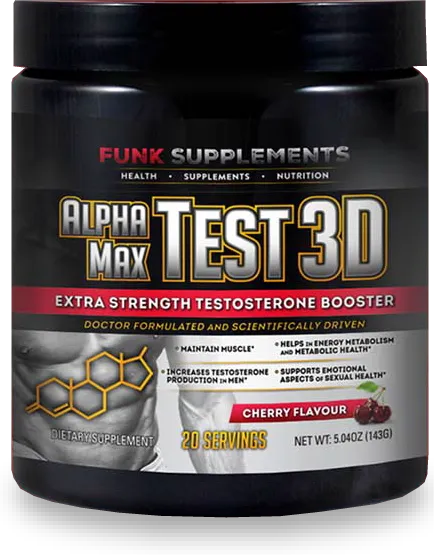
All-natural testosterone booster I formulated with the one and only Funk Roberts.
The Better Fit Mask
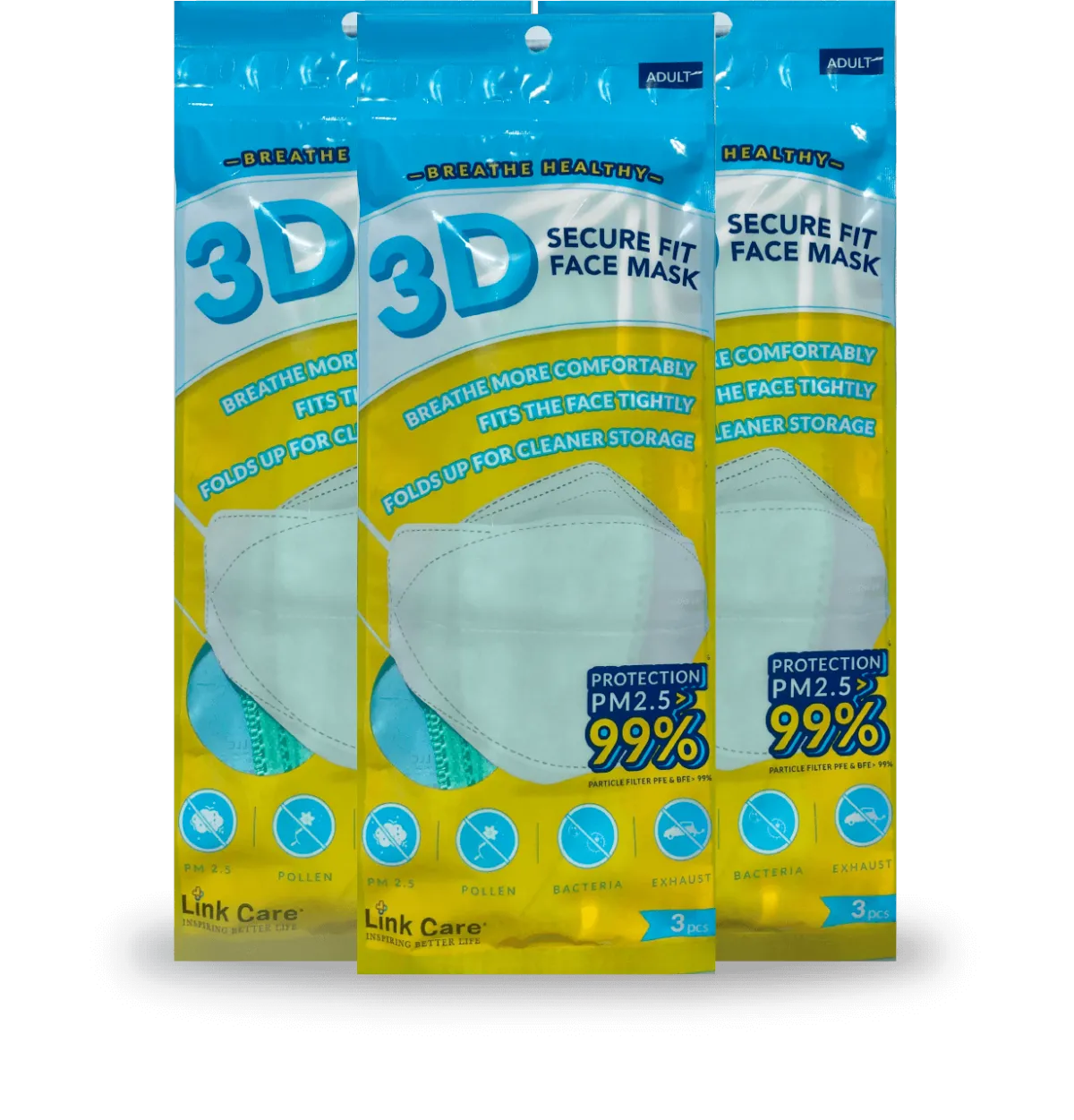
My preferred facemask for protection and comfort. Use code: DRANTON for 10% off.
Recent Blogs
Is Obesity Associated With Low Testosterone Levels?
Over the past few decades, there has been a pronounced reduction in average testosterone levels among men, which is independent of age.
This dramatic fall is quite concerning given the critical role of testosterone in so many aspects of our overall health.
Given this phenomenon, a natural question is what is contributing to this pronounced decline.
There are many potential factors including sedentary lifestyle, increased consumption of processed foods, consumption of potentially estrogenic foods (soy, flax seed), lower competition, and lack of high intensity exercise.
These same lifestyle changes appear to directly contribute to unhealthy weight gain and the increasing prevalence of obesity that has occurred over the past few decades.
Is the Rise in Obesity Associated with Lower Testosterone Levels?
The answer appears to be a resounding yes!
This connection was first discovered in the 1970s and was shown to be present even in middle-age and younger men.
Since then, the rise in obesity seems to almost mirror the fall in testosterone levels, at least in men.
Studies have found that previously healthy individuals who developed obesity had a significant decrease of approximately 12% in their testosterone levels, a change that is comparable to that associated with aging 10 years.
In other studies, men with obesity had almost 50% lower testosterone levels compared to healthy control groups.
Based on these striking findings, some authors have concluded that “Obesity, increasing in prevalence globally, is the clinical condition most strongly associated with lowered testosterone concentrations in men.”
Potential Mechanisms Linking Obesity and Lower Testosterone
There are many potential mechanisms through which unhealthy weight gain could lower testosterone levels.
First, fat cells have been shown to metabolize testosterone and convert it into estrogen.
Obesity has also been shown to reduce levels of sex hormone binding globulin (SHBG), a protein that carries testosterone in the blood, and lower levels of this hormone have been associated with less free and total testosterone.
Additionally, obesity can lead to imbalanced leptin levels, which can raise estrogen levels and diminish testosterone levels.
How does Obesity influence Testosterone Levels as we Age?
As we get older, the effects of obesity on testosterone levels seem to be even stronger.
In a large-scale study called the Testosterone Trials, which included over 500 older men who were 65 years and older and had verified low testosterone levels found that over 60% of these men had obesity, and over 90% were overweight.
Such findings are noteworthy, as this study was not seeking to enroll older men who were overweight or who had obesity.
This observation suggests that unhealthy weight gain contributes even more to low testosterone levels as we age.
Connection with Metabolic Factors
The relationship between obesity and low testosterone levels in aging men is further complicated by the known increase in metabolic issues, specifically the metabolic syndrome that occur with aging.
The metabolic syndrome is diagnosed when a person has three or more of the following risk factors, abdominal obesity, high insulin levels, high fasting plasma glucose, levels, or impaired glucose tolerance, high triglycerides, low HDL, for hypertension.
Also noteworthy, the prevalence of metabolic syndrome progressively increases with each decade of age, with almost half of men and women over the age of 50 having this syndrome.
Body Fat Gain and Lower Testosterone Levels: A Self-Perpetuating Cycle
While the studies mentioned above suggest that obesity leads to reduced testosterone, there is also a large body of evidence from human studies to indicate that low testosterone levels can influence (increase) fat gain.
Because low testosterone can increase unhealthy weight gain and unhealthy weight gain can further lower testosterone levels, this can create a self-perpetuating cycle of metabolic complications.
Additionally, obesity itself can contribute to loss of muscle mass and function, due to the inflammatory nature of body fat. And over time lead to a condition called sarcopenia (muscle loss with aging).
The result is that many older men are now at risk or have developed a condition termed ‘sarcopenic obesity’.
Men with sarcopenic obesity represent a particularly high risk population as these two conditions not only contributes to low testosterone levels but can also act synergistically to increase risk for metabolic syndrome and other health conditions.
Potential Solutions to Improve Testosterone Levels If You Are Overweight
The good news is that weight loss in overweight men can lead to substantial improvements in testosterone levels.
And the increase in testosterone appears to be proportional to the amount of weight lost!
For these reasons, I highly recommend that overweight men follow a healthy fat loss program to increase their testosterone levels and vitality while maintaining muscle mass.
Testosterone Boosting Supplements
There are a number of potential testosterone boosting supplements out there to help improve, but what most supplements lack are specific compounds in clinically studied doses that help improve both testosterone levels and metabolic processes.
There is one supplement, however, that addresses many of the underlying factors that can contribute to low testosterone levels. For this reason, I highly recommend the supplement Alpha Max 3D that I recently co-developed with the one and only Funk Roberts.
In addition to containing compounds to boost testosterone levels, it also contains compounds that can increase your workout capacity as well as maximize your anabolic response to workouts.
The combination of ingredients in this supplement seem to work synergistically to enhance circulation and anabolic hormone production, while also lowering catabolic hormone production, and also improving mood and sleep quality.
If these factors are not in place, your workouts are less likely to have the desired effects!
Combination Is Best
It may be tempting to just take a testosterone boosting supplement and forget about the lifestyle change component, but this is not likely to produce the desired result.
This is because the body would not be as prepared metabolically to utilize the increased testosterone levels produced by taking a supplement.
It would be similar to working out and then eating only twinkies afterward. Almost all the benefits of the workout would be negated by such poor dietary choices.
But when you combine a good testosterone boosting supplement, with a healthy diet and exercise program, you can greatly amplify results and dramatic changes can occur in a relatively short period of time.
Contact Us
Ready to Work Together?
Want to Reach Out Directly?

About
Stephen Anton PhD in Clinical and Health Psychology, University of Florida 25+ years researching longevity and healthy aging. Published in NEJM, JAMA, American Journal of Clinical Nutrition, and more. Recognized expert in intermittent fasting, metabolism, and cardiovascular health
© Copyright 2026 | All Rights Reserved Dr. Stephen Anton | Terms & Conditions
This information is for educational purposes only and is not a substitute for personalized medical advice. Please consult your physician before making changes to your health routine.