




Organizational Services
Keynote Speaking & Executive Workshops
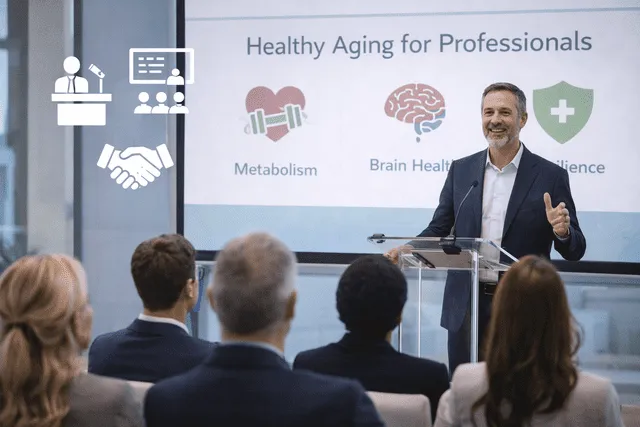
High-impact presentations on healthy aging, metabolic health, brain health, and resilience for organizations, healthcare systems, and professional groups. Available as keynotes, workshops, or executive retreats.
Best for: Organizations wanting to inspire and educate teams about evidence-based healthy aging.


Research Collaboration & Scientific Advisory
I work with organizations on research projects related to aging, metabolism, and longevity. This includes study design, data analysis, manuscript development, and publication support.
Best for: Organizations needing research credibility, study design expertise, and scientific validation.
Board & Advisory Roles

I serve on boards and advisory committees for health and wellness organizations. I provide strategic guidance, scientific credibility, and expertise to help shape company direction and approach.
Best for: Organizations needing ongoing expert guidance and scientific credibility.
Popular Blogs

How Inflammation Affects Aging: Simple Ways to Stay Healthy Longer
Getting older is a natural part of life. But did you know that some changes we think are "just aging" might actually be something we can control? Scientists have discovered that something called chronic inflammation plays a big role in how we age. The good news? There are simple things you can do to fight it.
What Is Aging, Really?
Aging means losing some of our abilities over time. We might not move as easily. Our minds might slow down a bit. Our bodies change in many ways. Some of this happens because of our genes. But a lot of it happens because of how we live our lives.
The way we eat, how much we move, and other daily choices all affect how we age. When scientists study aging, they look at things like blood flow, heart health, inflammation, and how our cells handle stress.
The Inflammation Problem
Inflammation is your body's way of protecting itself. When you get a cut or catch a cold, inflammation helps you heal. That's good inflammation. It comes and goes quickly.
But there's another type called chronic inflammation. This is like a fire in your body that never goes out. It burns slowly for months or years. This ongoing inflammation can damage your cells and speed up aging.
Studies show that chronic inflammation is linked to many diseases. Heart disease, diabetes, and even problems with walking and moving are all connected to inflammation. In one study of 15,000 women, those with high inflammation levels had a much greater risk of dying early.
Another study looked at healthy people over age 70. Those with high inflammation were much more likely to develop disabilities. Even simple tasks like walking a block became harder for them.
What Causes Chronic Inflammation?
Many things can cause inflammation to stay high in your body. Smoking is one cause. So is air pollution. Drinking too much alcohol can also increase inflammation.
But one of the biggest causes is the food we eat. When you eat unhealthy foods, especially foods high in sugar and bad fats, your body reacts. Your blood sugar spikes. This creates stress in your cells. That stress leads to inflammation.
Scientists did a test where people ate fast food for breakfast one day and healthy food another day. After the fast food meal, inflammation markers in their blood shot up. After the healthy meal, they barely moved.
Body Fat and Inflammation
Having too much body fat is another major cause of inflammation. Fat tissue isn't just sitting there. It's actually active. It sends out signals throughout your body. Many of these signals cause inflammation.
As people age, they often gain fat and lose muscle. This happens even if the number on the scale stays the same. By age 70, you might have twice as much body fat as you did at age 25.
This extra fat, especially around your belly and organs, pumps out inflammatory chemicals. These chemicals can damage your muscles. Over time, you can lose muscle mass and strength. This condition is called sarcopenia.
When fat surrounds your muscles and organs, it creates what doctors call "lipotoxicity." This means the fat is actually poisoning your tissues with inflammatory signals.
The Metabolic Syndrome
When inflammation and body fat problems get bad enough, people can develop something called metabolic syndrome. You have this condition if you have three or more of these problems:
Large waist size
High blood sugar
High blood pressure
High triglycerides (a type of fat in blood)
Low HDL (good cholesterol)
Almost half of all people over age 60 have metabolic syndrome. This is a big problem because people with metabolic syndrome have five times the risk of dying from any cause. They also have much higher risk of heart disease.
What You Can Do About It
Now for the good news. You can fight inflammation and slow down unhealthy aging. Research shows that lifestyle changes really work.
Exercise Makes a Difference
Exercise is one of the best tools you have. A large study called the LIFE study followed older adults for three years. Some people did a simple exercise program three times per week. They walked, did strength training, and practiced balance exercises.
The people who exercised had lower inflammation. Even better, they were much less likely to develop problems with walking. Exercise didn't just make them feel better. It actually changed what was happening inside their bodies.
You don't need to run marathons. Simple activities like walking, light weights, and stretching can help. The key is to do it regularly.
Diet Is Powerful
What you eat might be even more important than exercise for fighting inflammation. Studies show that diet is the main driver of inflammation levels.
Many different diets can help. But the key is finding one you can stick with. Research shows that people often start diets with good intentions. But after a few months, most people stop following them. The best diet is the one you'll actually do long-term.
Some general rules help almost everyone:
Eat more vegetables and fruits
Choose whole grains over white bread and pasta
Limit sugar and sugary drinks
Avoid processed foods and fast food
Eat healthy fats like those in fish, nuts, and olive oil
Intermittent Fasting: A New Approach
Since most people struggle to eat less all the time, scientists have studied another approach called intermittent fasting. This means not eating for certain periods.
One way to do this is time-restricted eating. You only eat during a short window each day. For example, you might eat only between noon and 6 PM. The rest of the time, you don't eat.
Another way is alternate day fasting. You eat normally one day, then eat very little the next day.
When you fast, your body switches from burning sugar to burning fat. It starts making compounds called ketones. This switch seems to have many health benefits. It can reduce inflammation, help you lose fat, and protect your cells.
Studies show that intermittent fasting helps people lose body fat without losing muscle. This is important because keeping muscle as you age is crucial. Every study on alternate day fasting showed that people lost body fat.
Helpful Supplements and Medications
Scientists have also studied supplements and medications that might reduce inflammation. A review of many studies found several that work:
Omega-3 fatty acids (found in fish oil) can reduce inflammation markers in blood. Studies consistently show this benefit.
Probiotics are good bacteria for your gut. They had the biggest effect on reducing inflammation in the studies reviewed.
Certain blood pressure medications called angiotensin receptor blockers also reduce inflammation. If you already take these for blood pressure, you're getting a bonus benefit.
Metformin, a diabetes medication, also reduces inflammation markers.
These aren't magic pills. But combined with healthy eating and exercise, they might provide extra help. Always talk to your doctor before starting any supplement or medication.
Real People, Real Results
The research isn't just numbers. Real people show what's possible. Helen Sichel-Meister is 91 years old. She works out three times a week and can lift 200 pounds. Ida Thomas started running at age 65 and ran her first marathon at 69. Eleanor Heyneman is a karate black belt at age 90.
These aren't superhuman people. They're regular folks who made healthy choices. They show us what's possible when we take care of ourselves.
Making It Work for You
Here's the bottom line: chronic inflammation speeds up aging and causes disease. But you have power over inflammation.
Start with small changes. Walk more. Eat more vegetables. Cut back on junk food. Try eating during a shorter window each day. Consider omega-3 supplements after talking to your doctor.
The best approach is the one you'll stick with. Don't try to change everything at once. Pick one or two changes and make them habits. Then add more over time.
It's never too late to start. Whether you're 40, 60, or 80, your body can benefit from these changes. The research is clear: lifestyle changes work at any age.
Remember, you're not trying to live forever. You're trying to live well for as long as possible. You want to keep doing the things you love. You want to stay independent. You want to feel good.
By fighting inflammation through simple lifestyle changes, you give yourself the best chance at a long, healthy, active life. That's a goal worth working toward.
Talk to your doctor before making major changes. Work together to create a plan that's safe and right for you. With the right approach, you can slow down unhealthy aging and enjoy many more good years ahead.
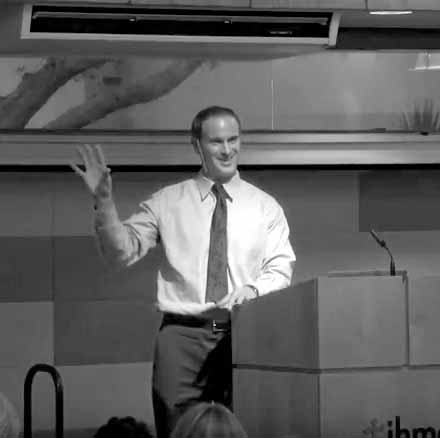
How I Help You Age Better
I've organized everything I offer around five core areas. You probably need help in more than one of these areas - most people do. The good news is if you improve in one area, you are likely to see improvements in other areas.

More Energy & Better Metabolism
You want to wake up ready to go, not drag through the day. This is about optimizing how your body processes food and fuel. Better metabolism means better energy, easier weight control, and stronger physical performance.
Brain Health & Sharp Thinking
Protecting your brain and maintaining your mental clarity as you age isn't something that happens by accident. It requires specific nutrition, sleep habits, movement, and lifestyle strategies specific to brain health. I'll show you exactly what works.
Stay Strong & Move Without Pain
Maintaining muscle, balance, and mobility is what allows you to live a full life and stay independent as you age. Whether it’s hiking, skiing, playing with your kids (or grandkids) or just moving through your day without stiffness - this matters.
Recovery & Physical Resilience
Your body needs proper recovery to stay healthy. This includes good quality sleep, stress management, and movement strategies that help you bounce back faster.
Purpose & Peace of Mind
Physical health is part of the equation. So is feeling like you're in control of your future, living with purpose, and knowing you're doing the right things at the right times.
How I Help You Age Better
I've organized everything I offer around five core areas. You probably need help in more than one of these areas - most people do. The good news is if you improve in one area, you are likely to see improvements in other areas.
Alpha Max Test 3D
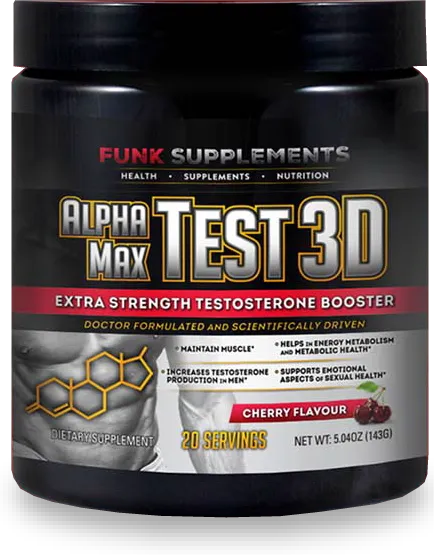
All-natural testosterone booster I formulated with the one and only Funk Roberts.
The Better Fit Mask
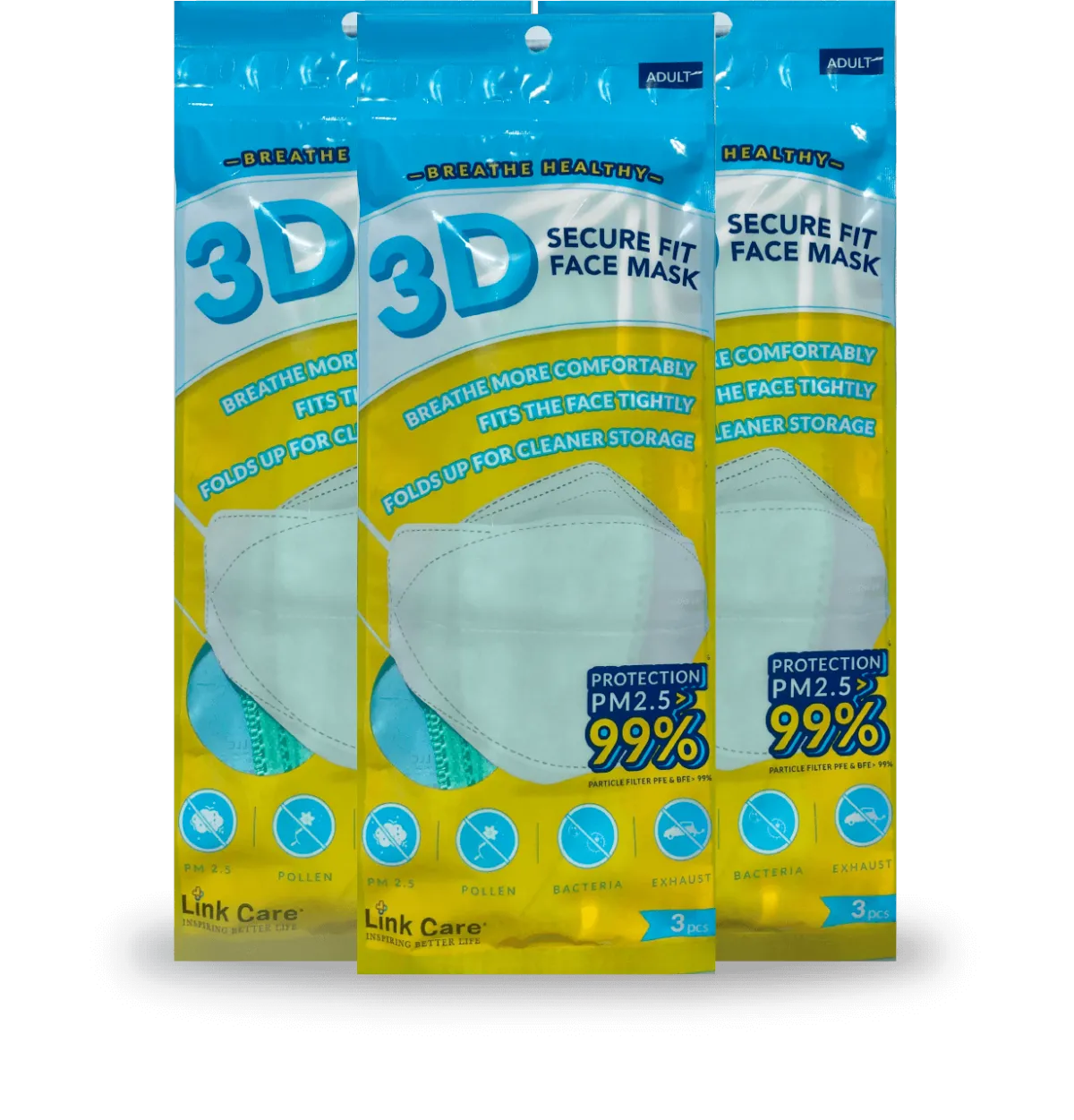
My preferred facemask for protection and comfort. Use code: DRANTON for 10% off.
Recent Blogs
How Inflammation Affects Aging: Simple Ways to Stay Healthy Longer
Getting older is a natural part of life. But did you know that some changes we think are "just aging" might actually be something we can control? Scientists have discovered that something called chronic inflammation plays a big role in how we age. The good news? There are simple things you can do to fight it.
What Is Aging, Really?
Aging means losing some of our abilities over time. We might not move as easily. Our minds might slow down a bit. Our bodies change in many ways. Some of this happens because of our genes. But a lot of it happens because of how we live our lives.
The way we eat, how much we move, and other daily choices all affect how we age. When scientists study aging, they look at things like blood flow, heart health, inflammation, and how our cells handle stress.
The Inflammation Problem
Inflammation is your body's way of protecting itself. When you get a cut or catch a cold, inflammation helps you heal. That's good inflammation. It comes and goes quickly.
But there's another type called chronic inflammation. This is like a fire in your body that never goes out. It burns slowly for months or years. This ongoing inflammation can damage your cells and speed up aging.
Studies show that chronic inflammation is linked to many diseases. Heart disease, diabetes, and even problems with walking and moving are all connected to inflammation. In one study of 15,000 women, those with high inflammation levels had a much greater risk of dying early.
Another study looked at healthy people over age 70. Those with high inflammation were much more likely to develop disabilities. Even simple tasks like walking a block became harder for them.
What Causes Chronic Inflammation?
Many things can cause inflammation to stay high in your body. Smoking is one cause. So is air pollution. Drinking too much alcohol can also increase inflammation.
But one of the biggest causes is the food we eat. When you eat unhealthy foods, especially foods high in sugar and bad fats, your body reacts. Your blood sugar spikes. This creates stress in your cells. That stress leads to inflammation.
Scientists did a test where people ate fast food for breakfast one day and healthy food another day. After the fast food meal, inflammation markers in their blood shot up. After the healthy meal, they barely moved.
Body Fat and Inflammation
Having too much body fat is another major cause of inflammation. Fat tissue isn't just sitting there. It's actually active. It sends out signals throughout your body. Many of these signals cause inflammation.
As people age, they often gain fat and lose muscle. This happens even if the number on the scale stays the same. By age 70, you might have twice as much body fat as you did at age 25.
This extra fat, especially around your belly and organs, pumps out inflammatory chemicals. These chemicals can damage your muscles. Over time, you can lose muscle mass and strength. This condition is called sarcopenia.
When fat surrounds your muscles and organs, it creates what doctors call "lipotoxicity." This means the fat is actually poisoning your tissues with inflammatory signals.
The Metabolic Syndrome
When inflammation and body fat problems get bad enough, people can develop something called metabolic syndrome. You have this condition if you have three or more of these problems:
Large waist size
High blood sugar
High blood pressure
High triglycerides (a type of fat in blood)
Low HDL (good cholesterol)
Almost half of all people over age 60 have metabolic syndrome. This is a big problem because people with metabolic syndrome have five times the risk of dying from any cause. They also have much higher risk of heart disease.
What You Can Do About It
Now for the good news. You can fight inflammation and slow down unhealthy aging. Research shows that lifestyle changes really work.
Exercise Makes a Difference
Exercise is one of the best tools you have. A large study called the LIFE study followed older adults for three years. Some people did a simple exercise program three times per week. They walked, did strength training, and practiced balance exercises.
The people who exercised had lower inflammation. Even better, they were much less likely to develop problems with walking. Exercise didn't just make them feel better. It actually changed what was happening inside their bodies.
You don't need to run marathons. Simple activities like walking, light weights, and stretching can help. The key is to do it regularly.
Diet Is Powerful
What you eat might be even more important than exercise for fighting inflammation. Studies show that diet is the main driver of inflammation levels.
Many different diets can help. But the key is finding one you can stick with. Research shows that people often start diets with good intentions. But after a few months, most people stop following them. The best diet is the one you'll actually do long-term.
Some general rules help almost everyone:
Eat more vegetables and fruits
Choose whole grains over white bread and pasta
Limit sugar and sugary drinks
Avoid processed foods and fast food
Eat healthy fats like those in fish, nuts, and olive oil
Intermittent Fasting: A New Approach
Since most people struggle to eat less all the time, scientists have studied another approach called intermittent fasting. This means not eating for certain periods.
One way to do this is time-restricted eating. You only eat during a short window each day. For example, you might eat only between noon and 6 PM. The rest of the time, you don't eat.
Another way is alternate day fasting. You eat normally one day, then eat very little the next day.
When you fast, your body switches from burning sugar to burning fat. It starts making compounds called ketones. This switch seems to have many health benefits. It can reduce inflammation, help you lose fat, and protect your cells.
Studies show that intermittent fasting helps people lose body fat without losing muscle. This is important because keeping muscle as you age is crucial. Every study on alternate day fasting showed that people lost body fat.
Helpful Supplements and Medications
Scientists have also studied supplements and medications that might reduce inflammation. A review of many studies found several that work:
Omega-3 fatty acids (found in fish oil) can reduce inflammation markers in blood. Studies consistently show this benefit.
Probiotics are good bacteria for your gut. They had the biggest effect on reducing inflammation in the studies reviewed.
Certain blood pressure medications called angiotensin receptor blockers also reduce inflammation. If you already take these for blood pressure, you're getting a bonus benefit.
Metformin, a diabetes medication, also reduces inflammation markers.
These aren't magic pills. But combined with healthy eating and exercise, they might provide extra help. Always talk to your doctor before starting any supplement or medication.
Real People, Real Results
The research isn't just numbers. Real people show what's possible. Helen Sichel-Meister is 91 years old. She works out three times a week and can lift 200 pounds. Ida Thomas started running at age 65 and ran her first marathon at 69. Eleanor Heyneman is a karate black belt at age 90.
These aren't superhuman people. They're regular folks who made healthy choices. They show us what's possible when we take care of ourselves.
Making It Work for You
Here's the bottom line: chronic inflammation speeds up aging and causes disease. But you have power over inflammation.
Start with small changes. Walk more. Eat more vegetables. Cut back on junk food. Try eating during a shorter window each day. Consider omega-3 supplements after talking to your doctor.
The best approach is the one you'll stick with. Don't try to change everything at once. Pick one or two changes and make them habits. Then add more over time.
It's never too late to start. Whether you're 40, 60, or 80, your body can benefit from these changes. The research is clear: lifestyle changes work at any age.
Remember, you're not trying to live forever. You're trying to live well for as long as possible. You want to keep doing the things you love. You want to stay independent. You want to feel good.
By fighting inflammation through simple lifestyle changes, you give yourself the best chance at a long, healthy, active life. That's a goal worth working toward.
Talk to your doctor before making major changes. Work together to create a plan that's safe and right for you. With the right approach, you can slow down unhealthy aging and enjoy many more good years ahead.
Contact Us
Ready to Work Together?
Want to Reach Out Directly?

About
Stephen Anton PhD in Clinical and Health Psychology, University of Florida 25+ years researching longevity and healthy aging. Published in NEJM, JAMA, American Journal of Clinical Nutrition, and more. Recognized expert in intermittent fasting, metabolism, and cardiovascular health
© Copyright 2026 | All Rights Reserved Dr. Stephen Anton | Terms & Conditions
This information is for educational purposes only and is not a substitute for personalized medical advice. Please consult your physician before making changes to your health routine.