




Organizational Services
Keynote Speaking & Executive Workshops
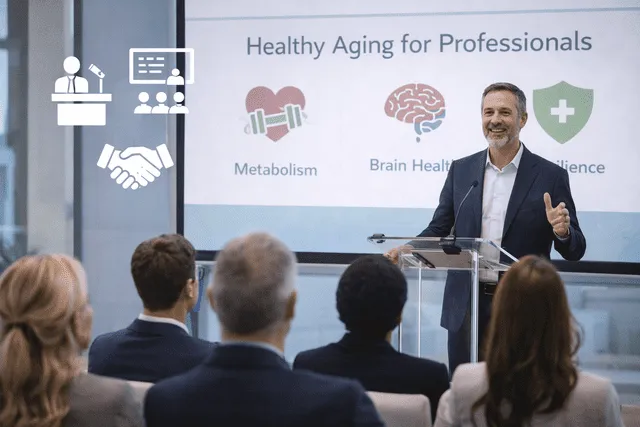
High-impact presentations on healthy aging, metabolic health, brain health, and resilience for organizations, healthcare systems, and professional groups. Available as keynotes, workshops, or executive retreats.
Best for: Organizations wanting to inspire and educate teams about evidence-based healthy aging.


Research Collaboration & Scientific Advisory
I work with organizations on research projects related to aging, metabolism, and longevity. This includes study design, data analysis, manuscript development, and publication support.
Best for: Organizations needing research credibility, study design expertise, and scientific validation.
Board & Advisory Roles

I serve on boards and advisory committees for health and wellness organizations. I provide strategic guidance, scientific credibility, and expertise to help shape company direction and approach.
Best for: Organizations needing ongoing expert guidance and scientific credibility.
Popular Blogs
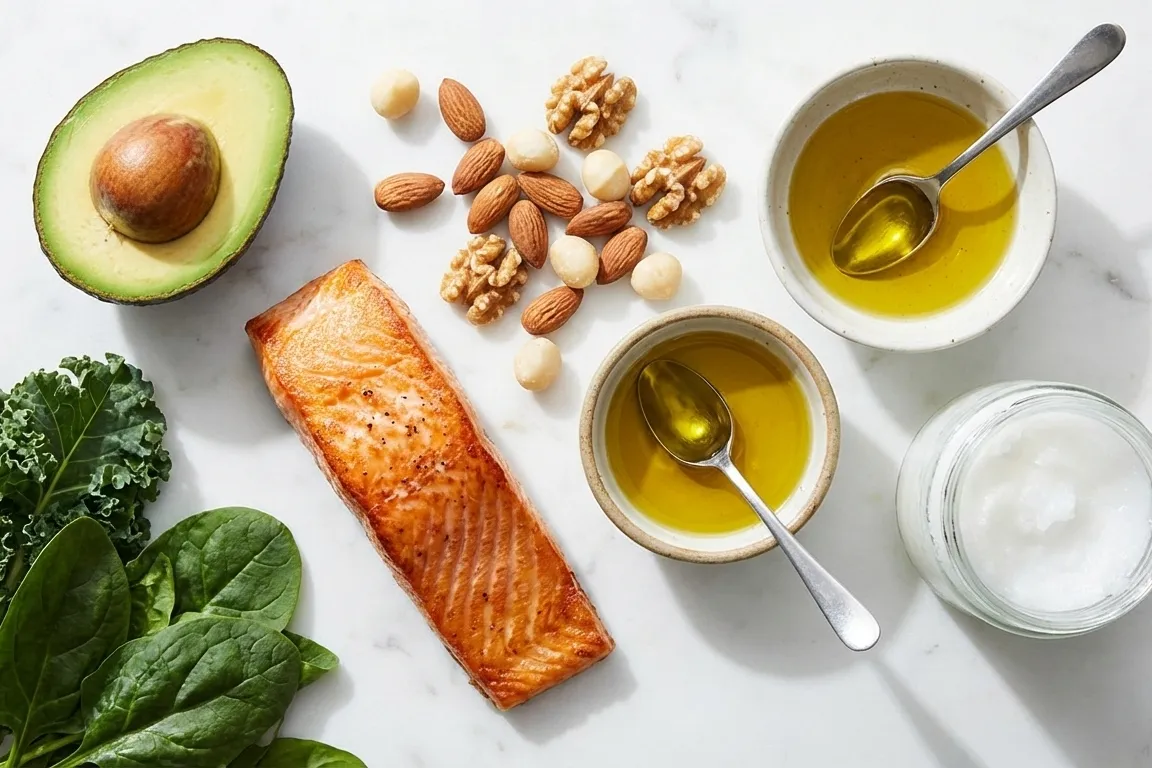
What Is a High Fat Diet? A Simple Guide to Understanding Keto
Have you heard people talking about high fat diets? Maybe you have seen the word keto everywhere. But what does it all mean? Let's break it down in a simple way.
What Is a High Fat Diet?
A high fat diet is also called a ketogenic diet or keto diet. This type of eating plan focuses on getting most of your calories from healthy fats instead of from carbs or sugar.
Why would anyone want to eat more fat? It sounds strange at first. But there is a good reason. Fats are the only type of food that do not make your insulin go up.
When you eat carbs or sugar, your body releases insulin. Insulin is a hormone that helps control your blood sugar. But when insulin goes up too often, it can cause problems. It can make it hard to lose weight. It can make you feel tired.
When you eat fat, your insulin stays calm. Your body does not have that big reaction. This is one of the main reasons why high fat diets can be so helpful.
Not All Fats Are the Same
Here is something important to know. Not all fats are equal. Scientists have learned a lot about different types of fats in the last ten years.
Some fats do special jobs in your body. For example, lauric acid is a type of fat that fights germs. It acts like a natural antibiotic in your body.
Another important fat is called DHA. This stands for docosahexaenoic acid. You do not need to remember that long name. Just know that DHA is super important for your brain.
DHA is an omega-3 fat. Your brain needs it to work properly. It helps your brain cells talk to each other. It keeps your cell membranes healthy and strong.
You can find DHA in fish like salmon and sardines. You can also get it from algae. If you are vegetarian, algae supplements are a great choice. Fish get their DHA from eating algae, so you can go straight to the source.
You can also get some omega-3 fats from walnuts and flaxseeds. Your body can turn some of these into DHA, but not all of it. That is why getting DHA directly from fish or algae is best.
What Does High Fat Really Mean?
When scientists say high fat diet, they mean high in fat calories. They do not mean you need to eat huge amounts of fat.
Fats have more calories than carbs or protein. One gram of fat has nine calories. One gram of carbs or protein has only four calories. So fats are calorie-dense.
This means you can eat smaller amounts of fat and still get plenty of calories. You do not need to eat a giant plate full of butter. That would not be healthy or enjoyable.
Instead, you add good fats to your meals. You might cook with olive oil or coconut oil. You might eat avocados, nuts, or fatty fish. You might add butter or cream to your coffee.
These small additions give you the fat you need without making you feel stuffed.
Good Fats vs Bad Fats
So which fats are good? The answer is simple. Good fats come from nature.
Healthy fats can come from plants or animals. Both types are fine. What matters is whether they are natural or processed.
Examples of good fats include olive oil, coconut oil, avocado oil, butter, ghee, fatty fish, nuts, seeds, and avocados. These fats exist in nature. Your body knows how to use them.
Bad fats are made in factories. They do not exist in nature. These are called trans fats or partially hydrogenated fats.
To make these bad fats, companies take liquid oils like corn oil or soybean oil. They heat them to very high temperatures. They add pressure and metals. This changes the structure of the fat completely.
The oil that was liquid becomes solid. This creates something that never existed in nature before. Your body does not know what to do with these fake fats.
These trans fats cause inflammation. They damage your cells. They increase your risk of heart disease.
The simple rule is this. If the fat comes from a chemistry lab, avoid it. If the fat comes from nature, enjoy it.
How Your Body Uses Ketones
Your body can run on two main fuels. It can use glucose, which comes from carbs and sugar. It can also use ketones, which come from fat.
Most people only use glucose for fuel. They eat carbs all day long. Their bodies never learn to use ketones.
But your body is designed to use both fuels. Some organs like your heart and brain actually work better when they have both glucose and ketones available.
The problem happens when you only give your body glucose. Your brain and heart never get ketones. They cannot work as well as they should.
When you eat a high fat diet and lower your carbs, your body starts making ketones. Now your organs have both fuels to choose from. They can work at their best.
Even on a keto diet, you will still have some sugar in your blood. That is normal and healthy. But you will also have ketones. This gives your body options.
The Benefits of a High Fat Diet
Why would you want to try a high fat diet? There are many good reasons.
First, many people feel more energetic. Ketones are a very clean fuel for your cells. When your cells use ketones, they create less waste. This means less stress on your cells and less damage from something called free radicals.
Your brain especially loves ketones. Many people say their thinking becomes clearer. They can focus better. They feel sharper.
Second, high fat diets can help with weight loss. Because fats do not spike your insulin, your body finds it easier to burn stored fat. You feel fuller for longer, so you eat less without feeling hungry.
Third, many people notice their energy stays steady all day. They do not get those afternoon crashes. They do not need snacks between meals.
Fourth, inflammation goes down. Less inflammation means less pain, better mood, and lower risk of many diseases.
How to Get Started
If you want to try a high fat diet, here are five simple steps to begin.
First, try fasting for part of the day. This could be as simple as skipping breakfast and eating your first meal at lunch.
Second, reduce your carbs. Cut out sugar, bread, pasta, and rice. Focus on vegetables that grow above ground.
Third, increase your fat intake. Add olive oil to your salads. Cook with butter or coconut oil. Eat fatty fish, avocados, and nuts.
Fourth, help your body make ketones by eating the right foods and possibly using ketone supplements.
Fifth, try adding healthy fats to your coffee in the morning. This is sometimes called bulletproof coffee. It helps keep you full and gives you energy.
These five steps work together. You do not have to be perfect. Start with one or two changes. See how you feel. Then add more changes when you are ready.
Listen to Your Body
As you try a high fat diet, pay attention to how you feel. Most people feel great after a few days of adjustment. They have more energy. They think more clearly. They feel less hungry.
Some people feel a little tired or foggy for the first few days. This is normal. Your body is learning to use a new fuel source. Give it time to adjust.
If you keep feeling bad after a week, you might need to adjust your approach. Make sure you are eating enough food. Make sure you are getting enough salt and water. Make sure you are choosing good quality fats.
The Bottom Line
A high fat diet is not as scary as it sounds. It simply means getting most of your calories from healthy, natural fats instead of from carbs and sugar.
Your body is designed to use fat for fuel. When you give it good fats, amazing things happen. Your energy improves. Your brain works better. Your body feels less inflamed.
The key is choosing the right fats. Stick with natural fats from plants and animals. Avoid processed fats made in factories.
Start slowly. Make small changes. See how you feel. Many people find that a high fat diet helps them feel better than they have in years.

How I Help You Age Better
I've organized everything I offer around five core areas. You probably need help in more than one of these areas - most people do. The good news is if you improve in one area, you are likely to see improvements in other areas.

More Energy & Better Metabolism
You want to wake up ready to go, not drag through the day. This is about optimizing how your body processes food and fuel. Better metabolism means better energy, easier weight control, and stronger physical performance.
Brain Health & Sharp Thinking
Protecting your brain and maintaining your mental clarity as you age isn't something that happens by accident. It requires specific nutrition, sleep habits, movement, and lifestyle strategies specific to brain health. I'll show you exactly what works.
Stay Strong & Move Without Pain
Maintaining muscle, balance, and mobility is what allows you to live a full life and stay independent as you age. Whether it’s hiking, skiing, playing with your kids (or grandkids) or just moving through your day without stiffness - this matters.
Recovery & Physical Resilience
Your body needs proper recovery to stay healthy. This includes good quality sleep, stress management, and movement strategies that help you bounce back faster.
Purpose & Peace of Mind
Physical health is part of the equation. So is feeling like you're in control of your future, living with purpose, and knowing you're doing the right things at the right times.
How I Help You Age Better
I've organized everything I offer around five core areas. You probably need help in more than one of these areas - most people do. The good news is if you improve in one area, you are likely to see improvements in other areas.
Alpha Max Test 3D
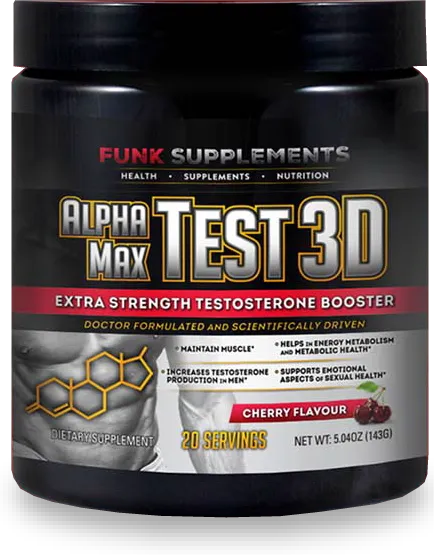
All-natural testosterone booster I formulated with the one and only Funk Roberts.
The Better Fit Mask
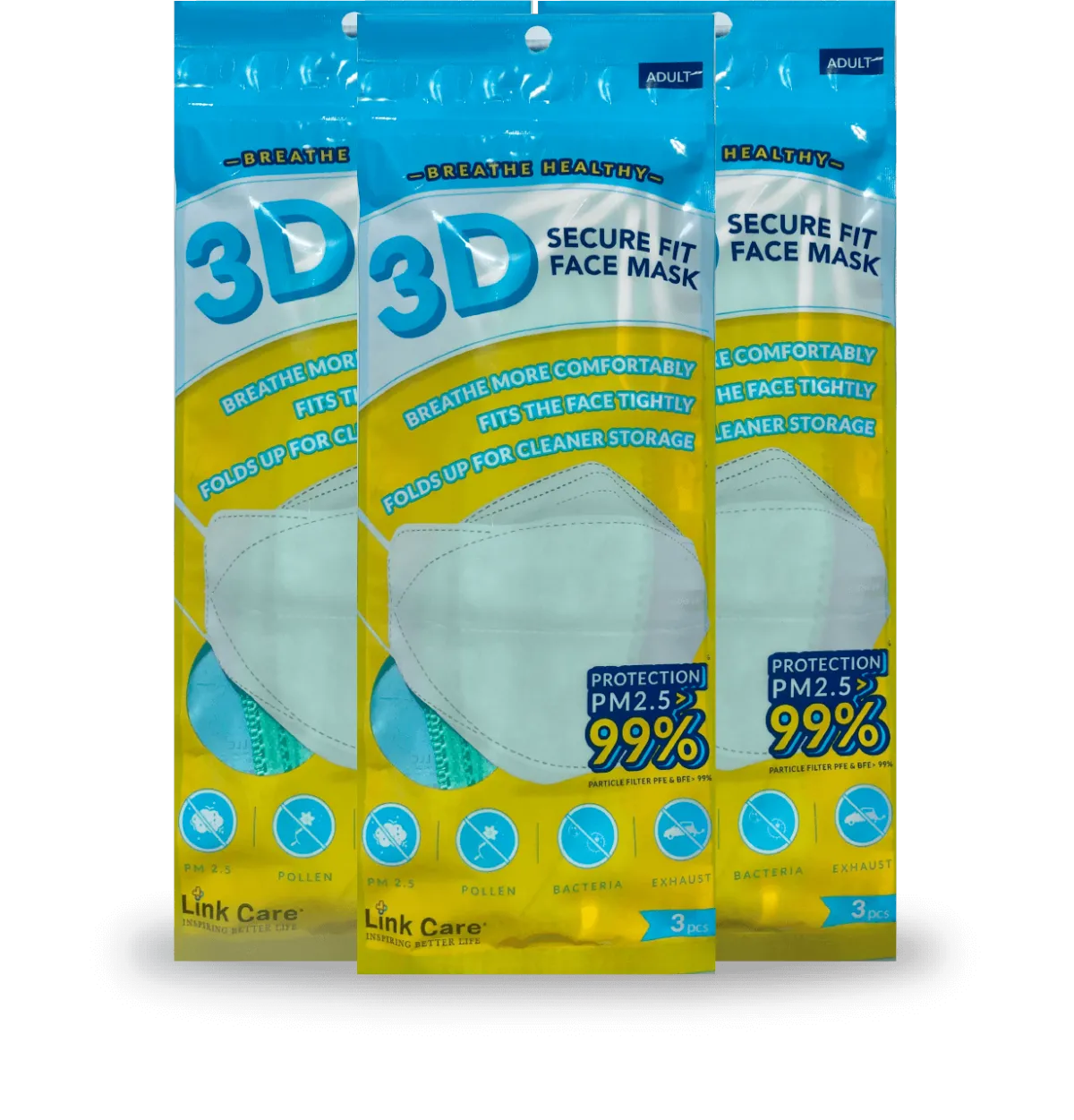
My preferred facemask for protection and comfort. Use code: DRANTON for 10% off.
Recent Blogs
What Is a High Fat Diet? A Simple Guide to Understanding Keto
Have you heard people talking about high fat diets? Maybe you have seen the word keto everywhere. But what does it all mean? Let's break it down in a simple way.
What Is a High Fat Diet?
A high fat diet is also called a ketogenic diet or keto diet. This type of eating plan focuses on getting most of your calories from healthy fats instead of from carbs or sugar.
Why would anyone want to eat more fat? It sounds strange at first. But there is a good reason. Fats are the only type of food that do not make your insulin go up.
When you eat carbs or sugar, your body releases insulin. Insulin is a hormone that helps control your blood sugar. But when insulin goes up too often, it can cause problems. It can make it hard to lose weight. It can make you feel tired.
When you eat fat, your insulin stays calm. Your body does not have that big reaction. This is one of the main reasons why high fat diets can be so helpful.
Not All Fats Are the Same
Here is something important to know. Not all fats are equal. Scientists have learned a lot about different types of fats in the last ten years.
Some fats do special jobs in your body. For example, lauric acid is a type of fat that fights germs. It acts like a natural antibiotic in your body.
Another important fat is called DHA. This stands for docosahexaenoic acid. You do not need to remember that long name. Just know that DHA is super important for your brain.
DHA is an omega-3 fat. Your brain needs it to work properly. It helps your brain cells talk to each other. It keeps your cell membranes healthy and strong.
You can find DHA in fish like salmon and sardines. You can also get it from algae. If you are vegetarian, algae supplements are a great choice. Fish get their DHA from eating algae, so you can go straight to the source.
You can also get some omega-3 fats from walnuts and flaxseeds. Your body can turn some of these into DHA, but not all of it. That is why getting DHA directly from fish or algae is best.
What Does High Fat Really Mean?
When scientists say high fat diet, they mean high in fat calories. They do not mean you need to eat huge amounts of fat.
Fats have more calories than carbs or protein. One gram of fat has nine calories. One gram of carbs or protein has only four calories. So fats are calorie-dense.
This means you can eat smaller amounts of fat and still get plenty of calories. You do not need to eat a giant plate full of butter. That would not be healthy or enjoyable.
Instead, you add good fats to your meals. You might cook with olive oil or coconut oil. You might eat avocados, nuts, or fatty fish. You might add butter or cream to your coffee.
These small additions give you the fat you need without making you feel stuffed.
Good Fats vs Bad Fats
So which fats are good? The answer is simple. Good fats come from nature.
Healthy fats can come from plants or animals. Both types are fine. What matters is whether they are natural or processed.
Examples of good fats include olive oil, coconut oil, avocado oil, butter, ghee, fatty fish, nuts, seeds, and avocados. These fats exist in nature. Your body knows how to use them.
Bad fats are made in factories. They do not exist in nature. These are called trans fats or partially hydrogenated fats.
To make these bad fats, companies take liquid oils like corn oil or soybean oil. They heat them to very high temperatures. They add pressure and metals. This changes the structure of the fat completely.
The oil that was liquid becomes solid. This creates something that never existed in nature before. Your body does not know what to do with these fake fats.
These trans fats cause inflammation. They damage your cells. They increase your risk of heart disease.
The simple rule is this. If the fat comes from a chemistry lab, avoid it. If the fat comes from nature, enjoy it.
How Your Body Uses Ketones
Your body can run on two main fuels. It can use glucose, which comes from carbs and sugar. It can also use ketones, which come from fat.
Most people only use glucose for fuel. They eat carbs all day long. Their bodies never learn to use ketones.
But your body is designed to use both fuels. Some organs like your heart and brain actually work better when they have both glucose and ketones available.
The problem happens when you only give your body glucose. Your brain and heart never get ketones. They cannot work as well as they should.
When you eat a high fat diet and lower your carbs, your body starts making ketones. Now your organs have both fuels to choose from. They can work at their best.
Even on a keto diet, you will still have some sugar in your blood. That is normal and healthy. But you will also have ketones. This gives your body options.
The Benefits of a High Fat Diet
Why would you want to try a high fat diet? There are many good reasons.
First, many people feel more energetic. Ketones are a very clean fuel for your cells. When your cells use ketones, they create less waste. This means less stress on your cells and less damage from something called free radicals.
Your brain especially loves ketones. Many people say their thinking becomes clearer. They can focus better. They feel sharper.
Second, high fat diets can help with weight loss. Because fats do not spike your insulin, your body finds it easier to burn stored fat. You feel fuller for longer, so you eat less without feeling hungry.
Third, many people notice their energy stays steady all day. They do not get those afternoon crashes. They do not need snacks between meals.
Fourth, inflammation goes down. Less inflammation means less pain, better mood, and lower risk of many diseases.
How to Get Started
If you want to try a high fat diet, here are five simple steps to begin.
First, try fasting for part of the day. This could be as simple as skipping breakfast and eating your first meal at lunch.
Second, reduce your carbs. Cut out sugar, bread, pasta, and rice. Focus on vegetables that grow above ground.
Third, increase your fat intake. Add olive oil to your salads. Cook with butter or coconut oil. Eat fatty fish, avocados, and nuts.
Fourth, help your body make ketones by eating the right foods and possibly using ketone supplements.
Fifth, try adding healthy fats to your coffee in the morning. This is sometimes called bulletproof coffee. It helps keep you full and gives you energy.
These five steps work together. You do not have to be perfect. Start with one or two changes. See how you feel. Then add more changes when you are ready.
Listen to Your Body
As you try a high fat diet, pay attention to how you feel. Most people feel great after a few days of adjustment. They have more energy. They think more clearly. They feel less hungry.
Some people feel a little tired or foggy for the first few days. This is normal. Your body is learning to use a new fuel source. Give it time to adjust.
If you keep feeling bad after a week, you might need to adjust your approach. Make sure you are eating enough food. Make sure you are getting enough salt and water. Make sure you are choosing good quality fats.
The Bottom Line
A high fat diet is not as scary as it sounds. It simply means getting most of your calories from healthy, natural fats instead of from carbs and sugar.
Your body is designed to use fat for fuel. When you give it good fats, amazing things happen. Your energy improves. Your brain works better. Your body feels less inflamed.
The key is choosing the right fats. Stick with natural fats from plants and animals. Avoid processed fats made in factories.
Start slowly. Make small changes. See how you feel. Many people find that a high fat diet helps them feel better than they have in years.
Contact Us
Ready to Work Together?
Want to Reach Out Directly?

About
Stephen Anton PhD in Clinical and Health Psychology, University of Florida 25+ years researching longevity and healthy aging. Published in NEJM, JAMA, American Journal of Clinical Nutrition, and more. Recognized expert in intermittent fasting, metabolism, and cardiovascular health
© Copyright 2026 | All Rights Reserved Dr. Stephen Anton | Terms & Conditions
This information is for educational purposes only and is not a substitute for personalized medical advice. Please consult your physician before making changes to your health routine.